Teefun local team
Avoiding Tourist Traps in Agadir: The Short Answer
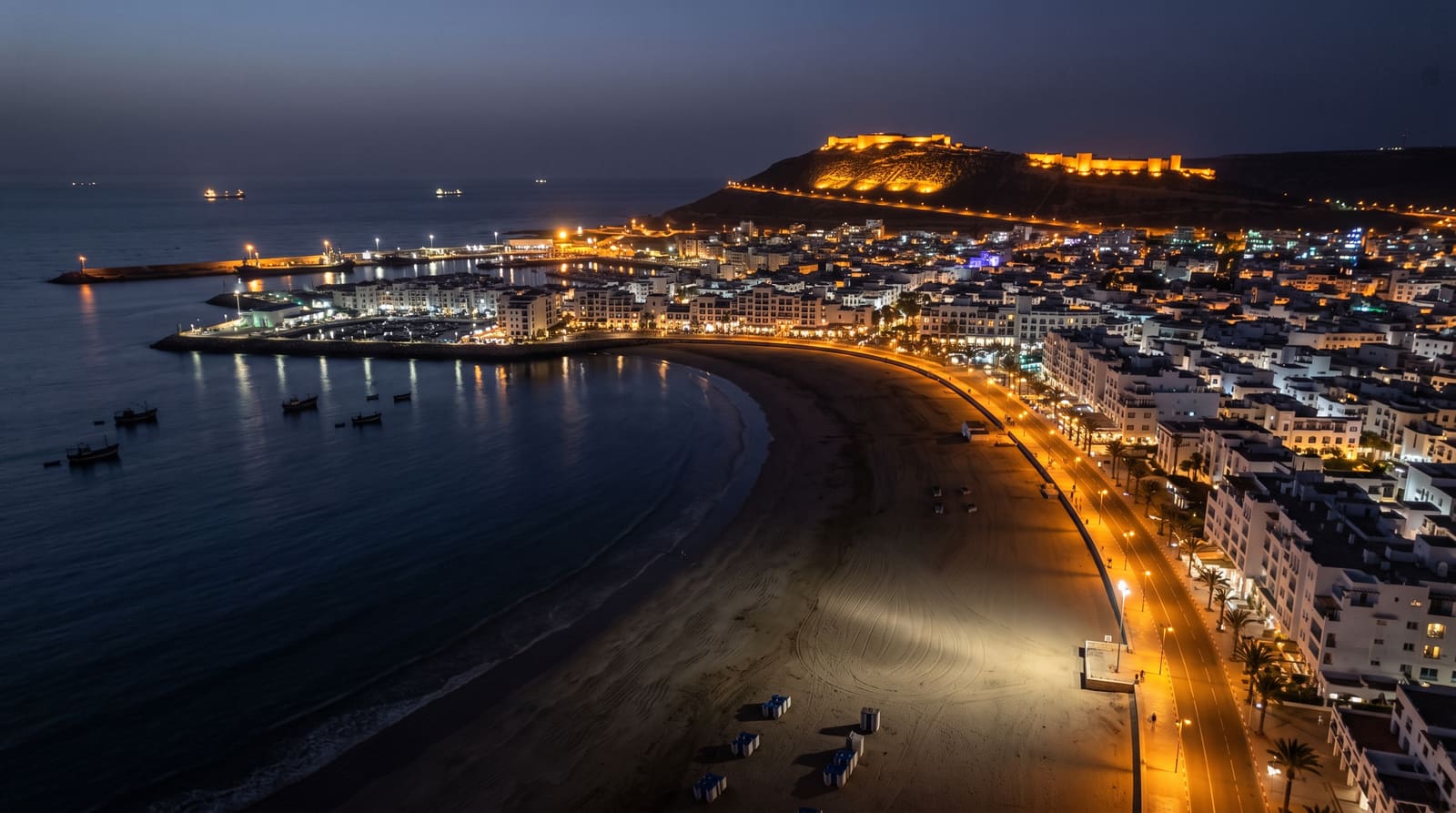
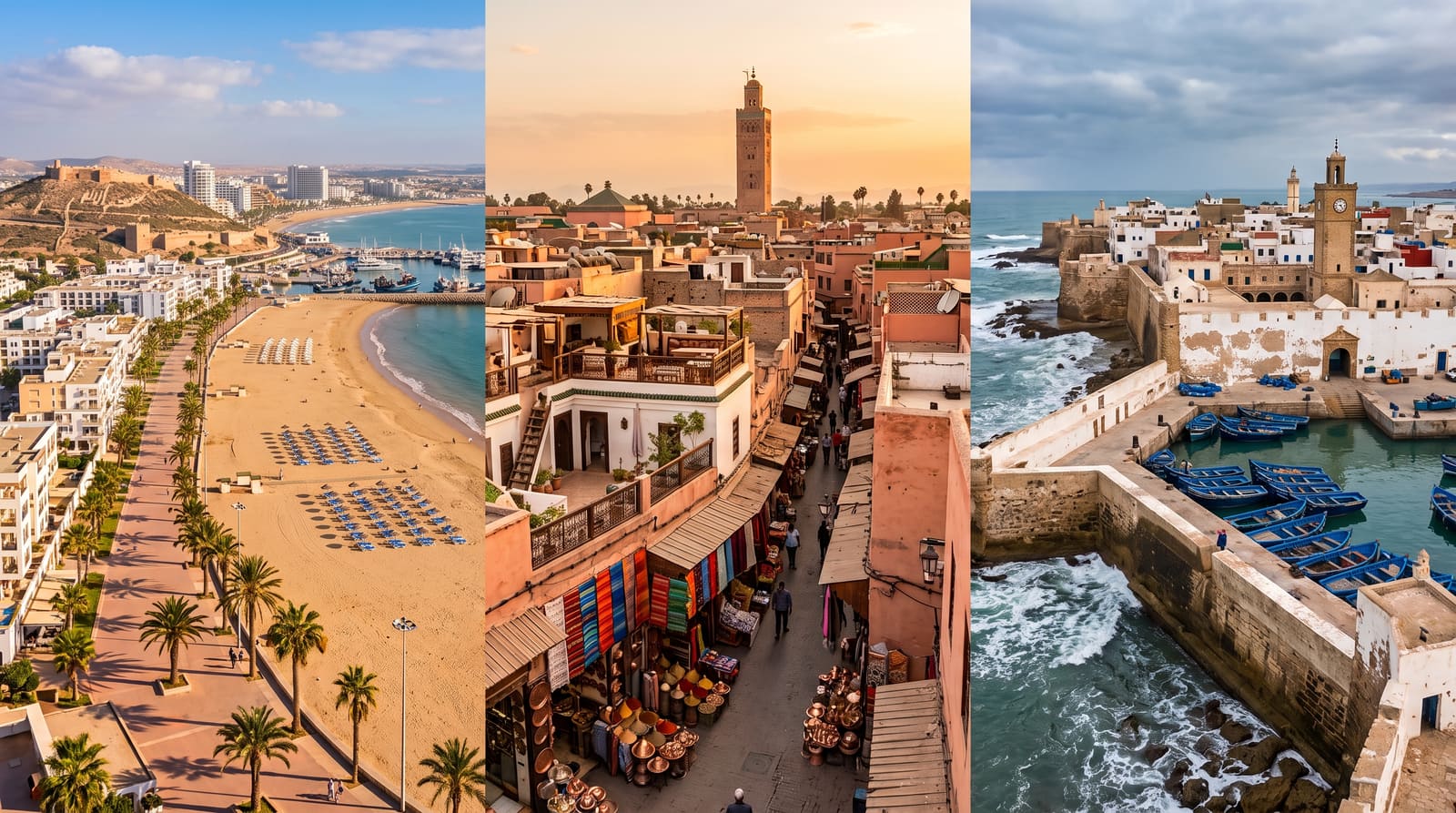
Agadir has a genuinely milder tourist-trap profile than Marrakech or Fes — it’s a purpose-built beach resort rather than an ancient medina city, which removes a lot of the maze-like misdirection and aggressive street-level hustling documented in those cities. That said, it isn’t scam-free, and the patterns that do show up here are specific enough to be worth knowing: currency shortchanging, rental equipment damage claims, and the usual taxi meter refusal, alongside a lower but real risk of unsolicited henna in busier tourist areas.
Agadir vs Marrakech: A Genuinely Different Risk Profile
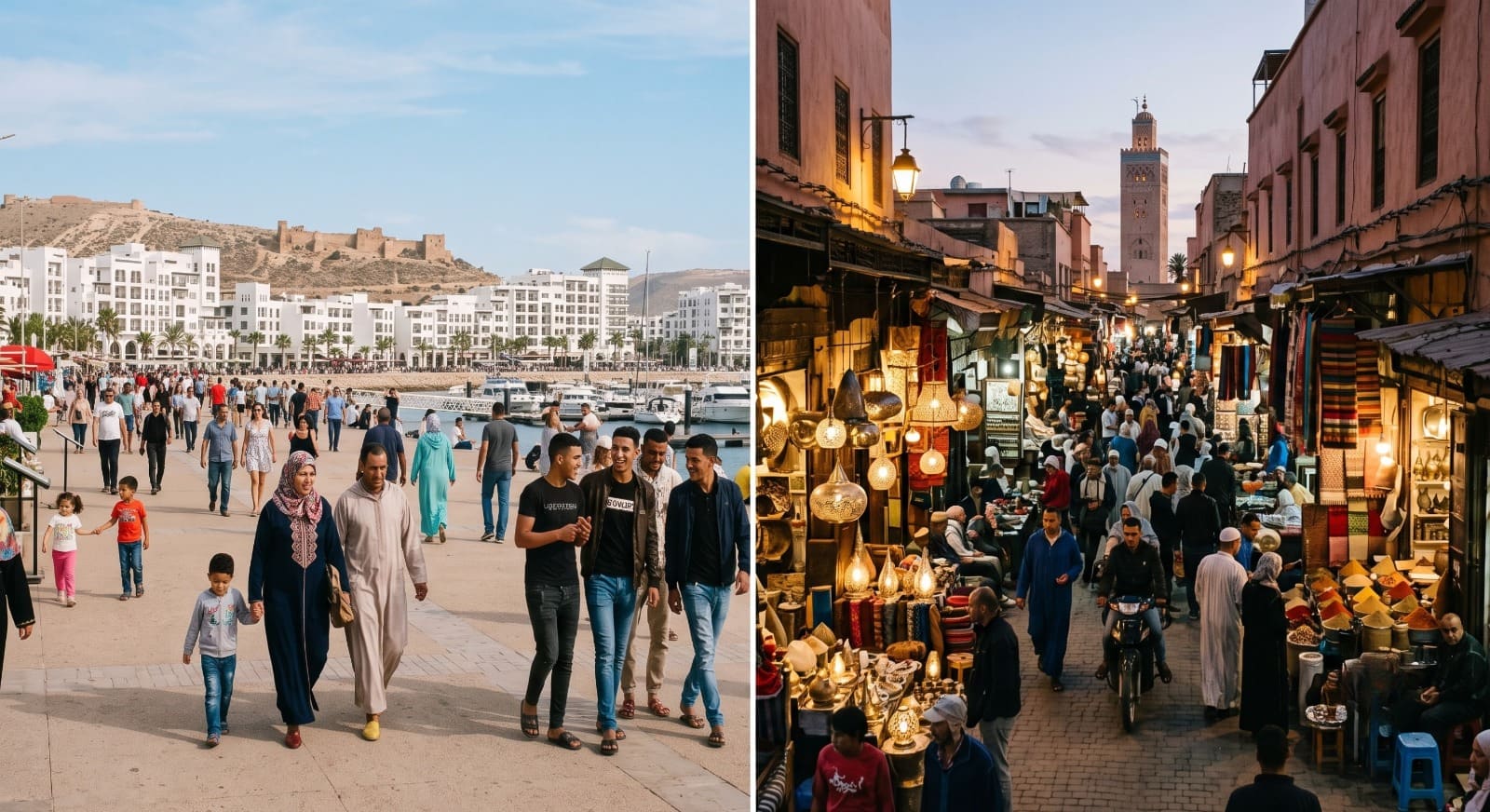
This distinction matters because a lot of Morocco scam content is written with Marrakech and Fes in mind, where the ancient medinas create conditions — narrow, disorienting alleyways, “the market is closed” misdirection, tannery viewpoint pressure sales — that simply don’t exist in Agadir’s more modern, grid-like layout. Documented tracking of scams by city consistently places Agadir in a lower-risk category than Marrakech, Fes, or Casablanca, with the specific issues here trending toward taxi meters, rental gear, and currency handling rather than elaborate street-level cons.
Currency Shortchanging
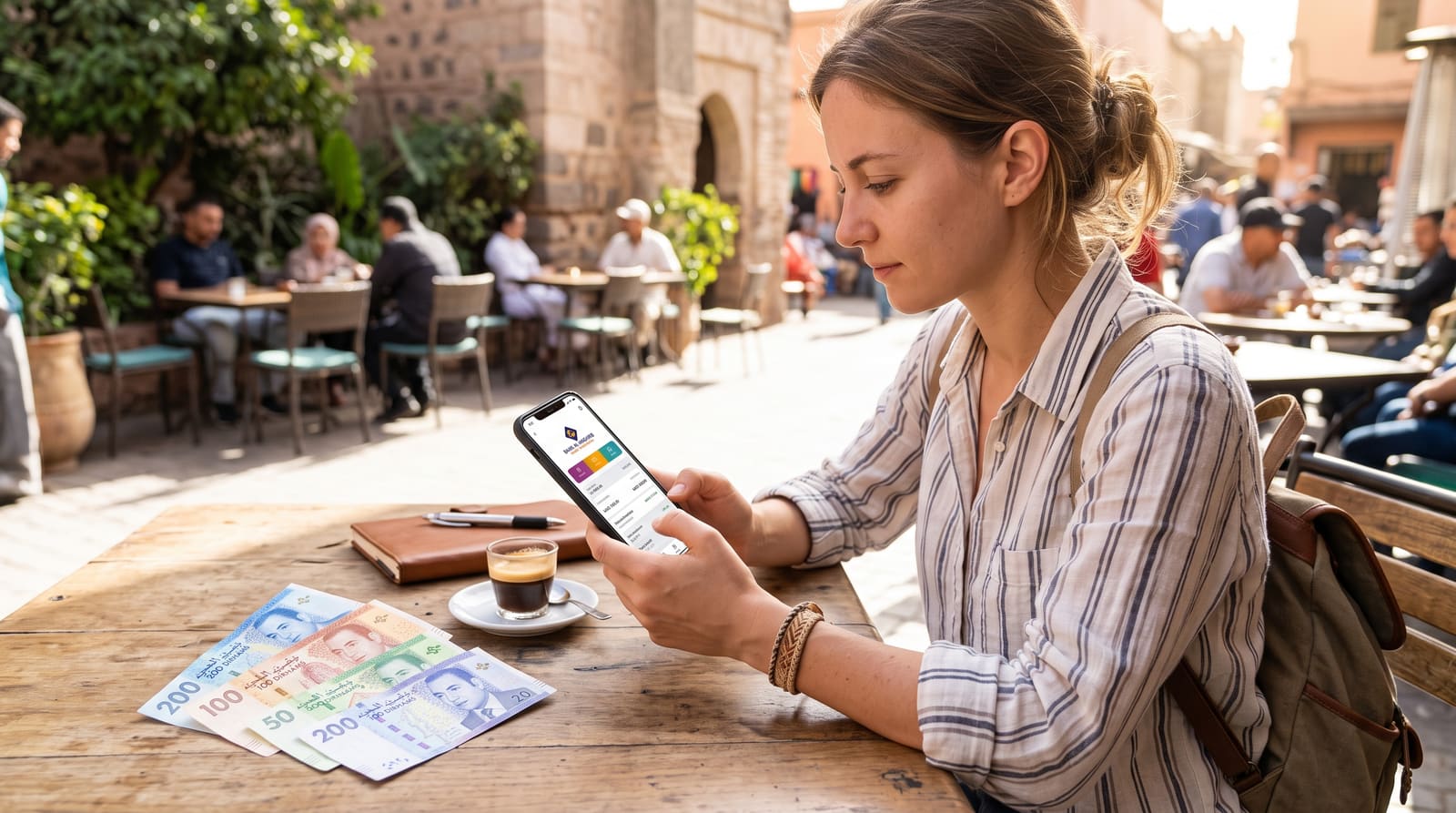
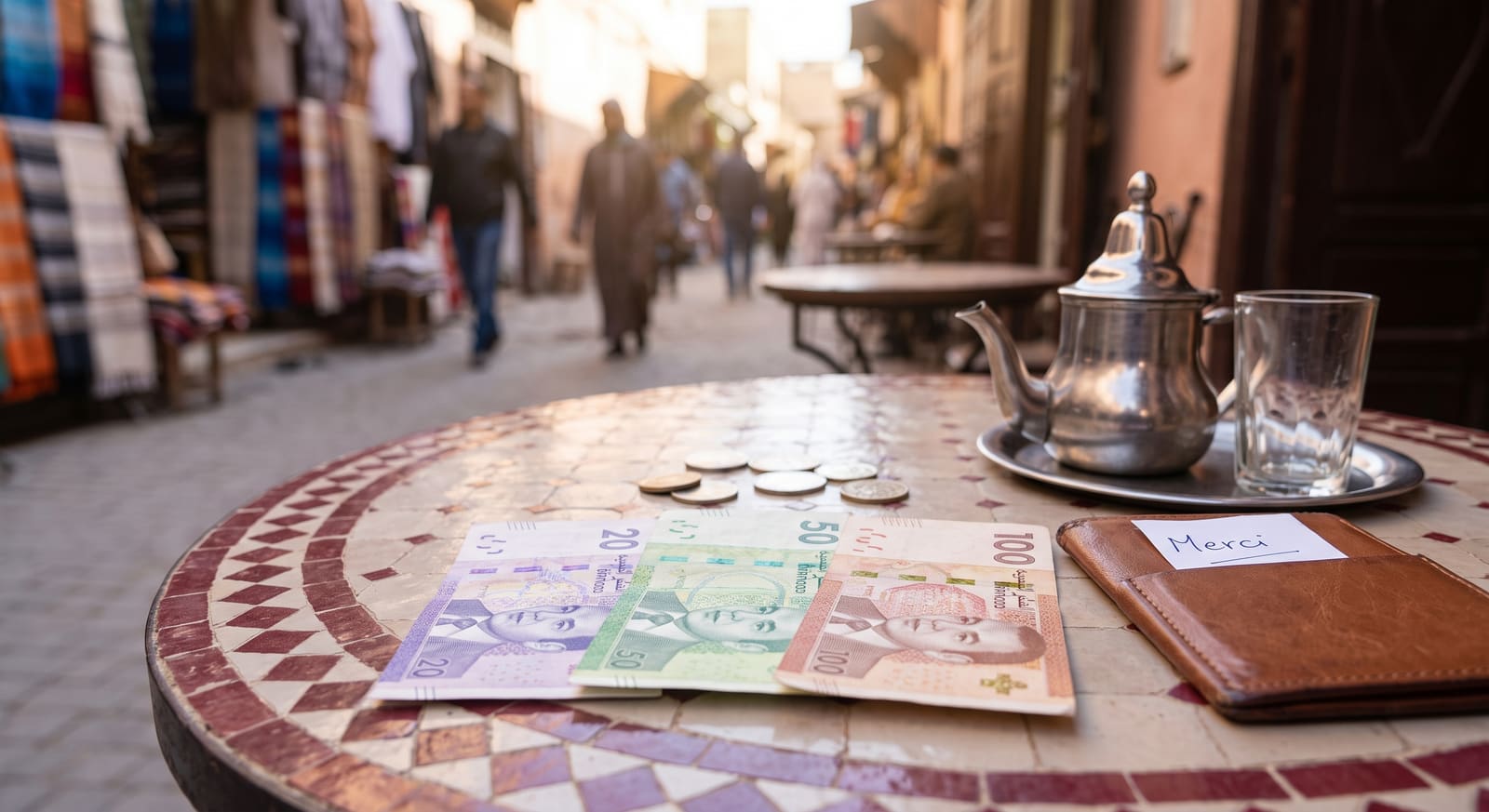
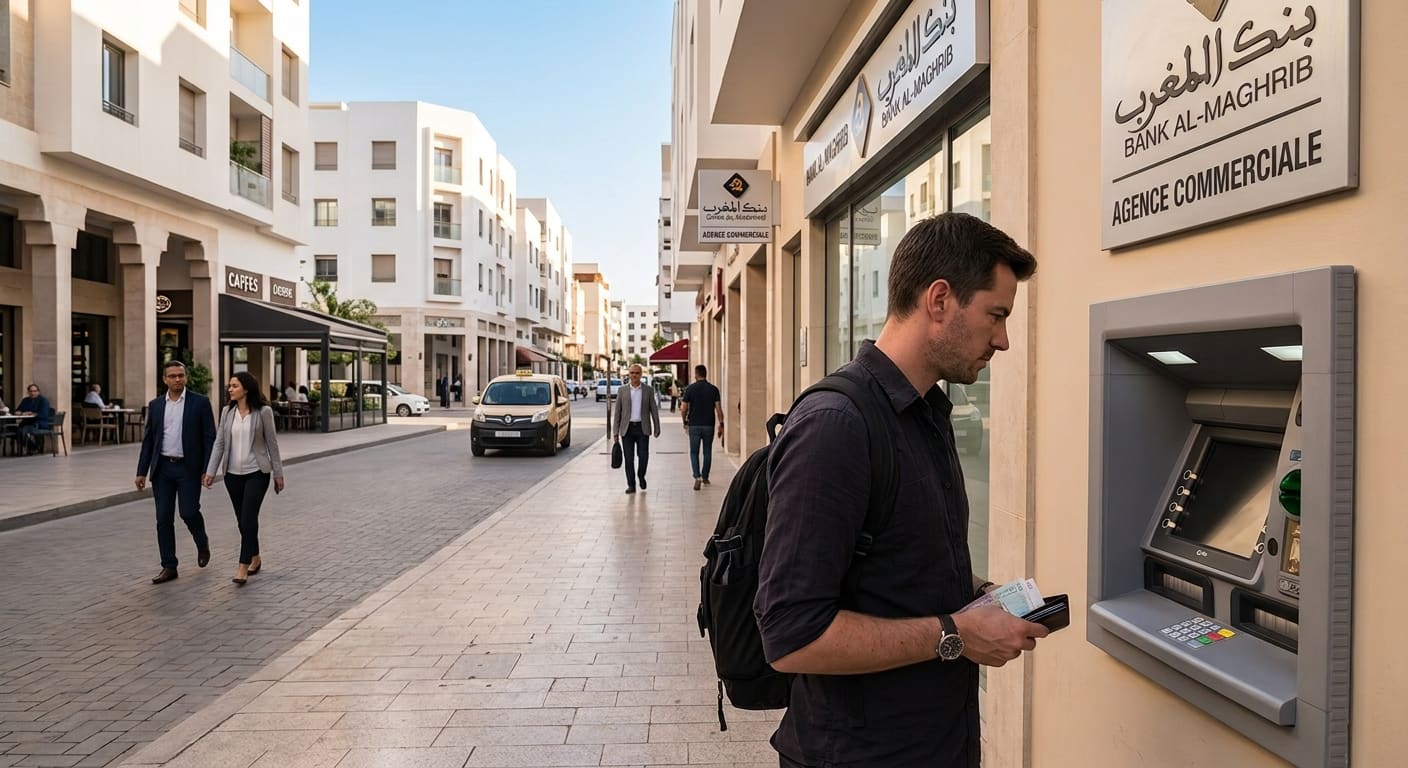
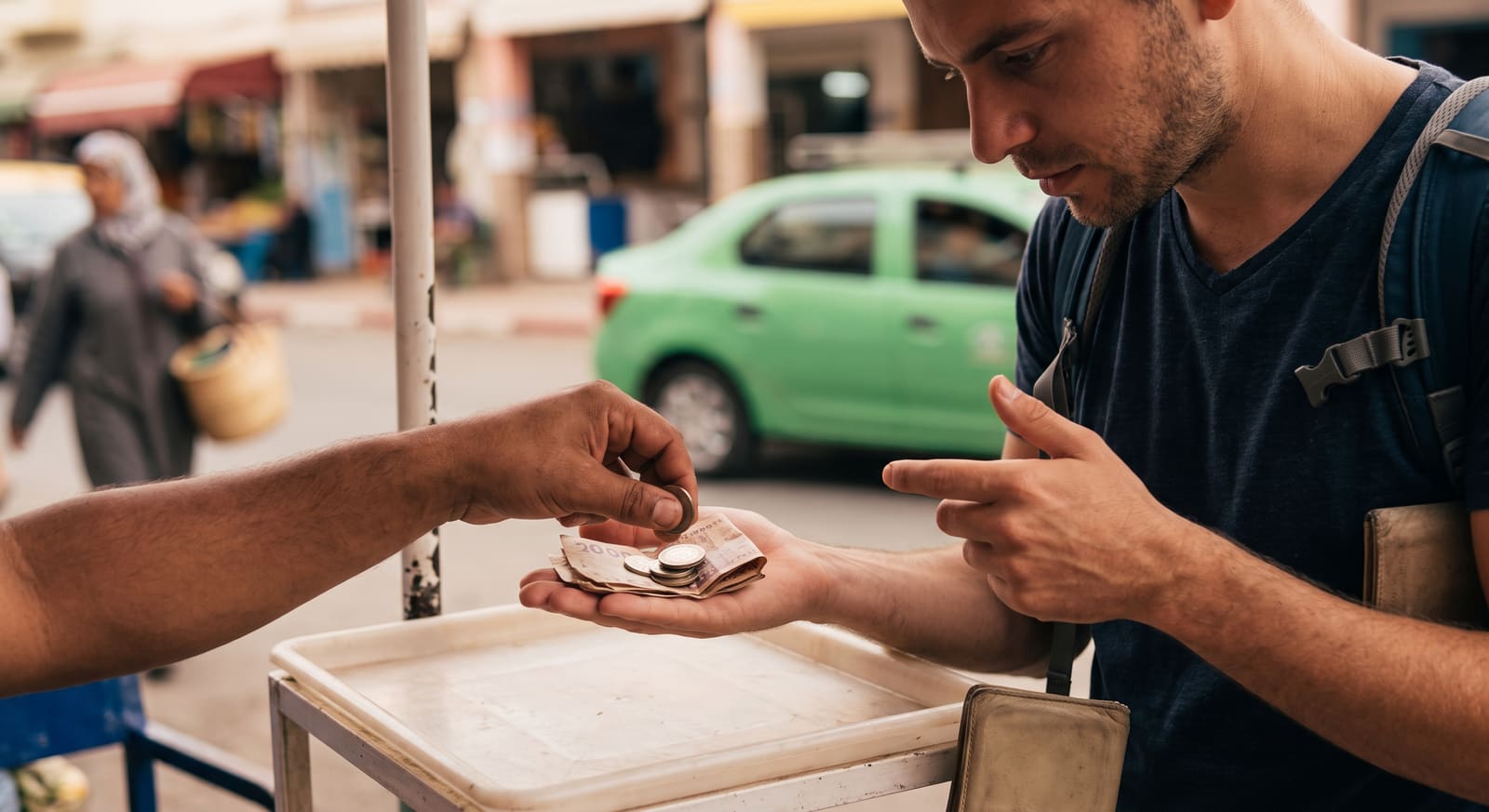
This is a quieter, easier-to-miss issue than a dramatic scam: a vendor or driver hands back less change than you’re owed, or claims you handed over a smaller note than you actually did during a fast handover. The fix is simple and worth making a habit rather than an occasional check: count your change before walking away, every time, and hand over notes deliberately rather than in a rushed bundle.
Rental Gear “Damage” Claims
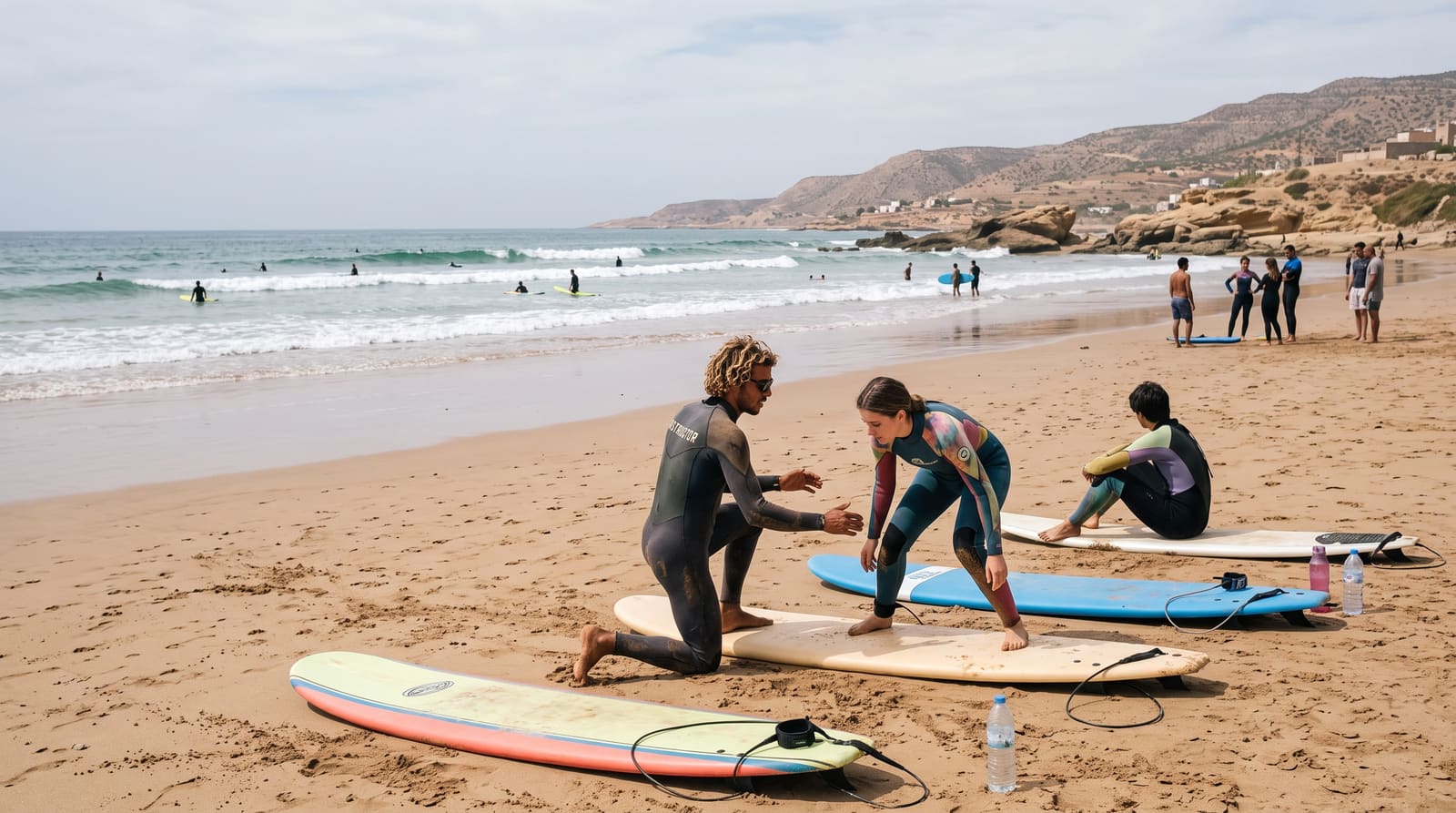
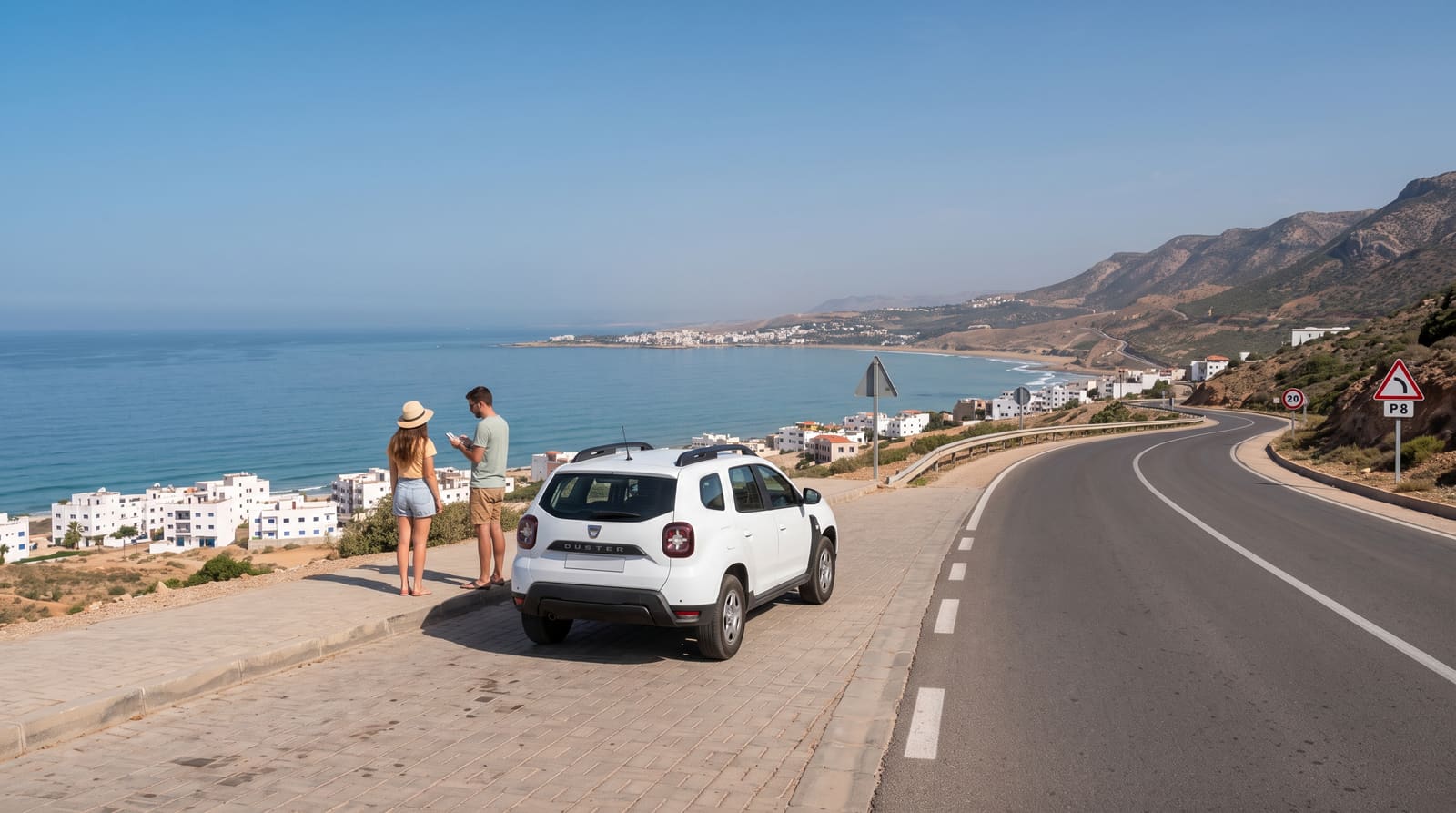
If you’re renting a quad bike, surfboard, or car during your trip, it’s worth protecting yourself against a claim at return that pre-existing damage was caused by you. Take photos or a short video of the equipment at pickup, specifically noting any scratches, dents, or wear that’s already there, and do the same at return before handing it back. This takes a couple of minutes and removes any ambiguity if a dispute comes up later.
Taxi Meter Refusal
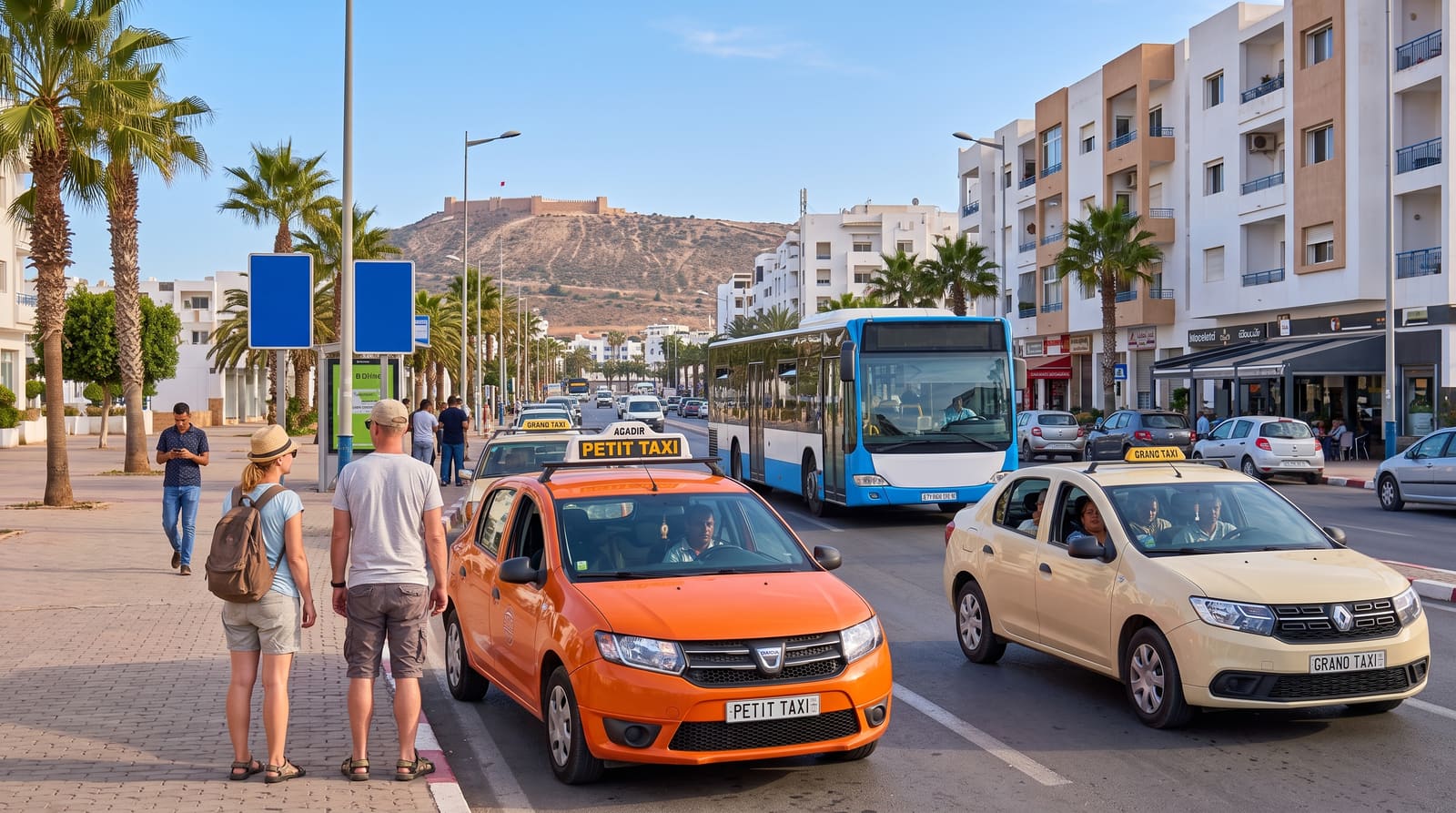
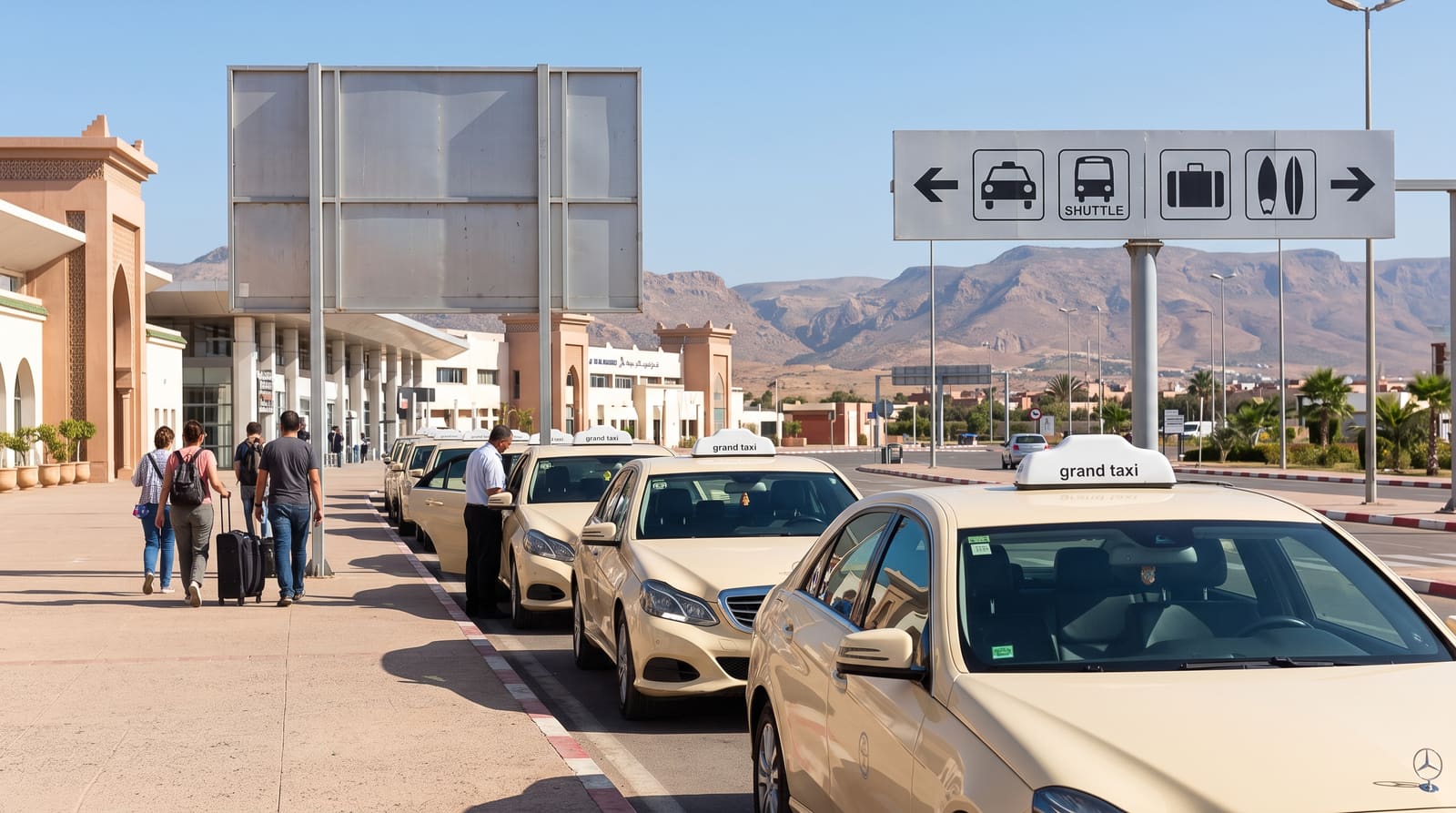
This remains the most consistently reported overcharging issue across Moroccan cities, Agadir included. Petit taxis are legally required to use their meter; if a driver claims it’s broken or proposes a flat rate before you’ve even stated your destination, treat that as a signal to ask again for the meter or find another taxi. For a full breakdown of fair pricing on specific routes, see our guides to Agadir’s petit and grand taxis and the Agadir Airport to Taghazout transfer.
Henna and Unsolicited “Free” Services
Less common in Agadir than in Marrakech’s Jemaa el-Fna, but not impossible in busier tourist zones: someone offers a “free” henna design, applies it before you can decline, then demands a steep payment, sometimes with emotional pressure attached. The straightforward response is to keep your hands to yourself around anyone offering unsolicited services, decline firmly and keep moving if approached, and if henna does go on before you can stop it, know that you’re under no obligation to pay whatever inflated amount is demanded — a fair price for basic henna is a small fraction of what’s typically asked for in this scenario.
The Commission Guide Pattern
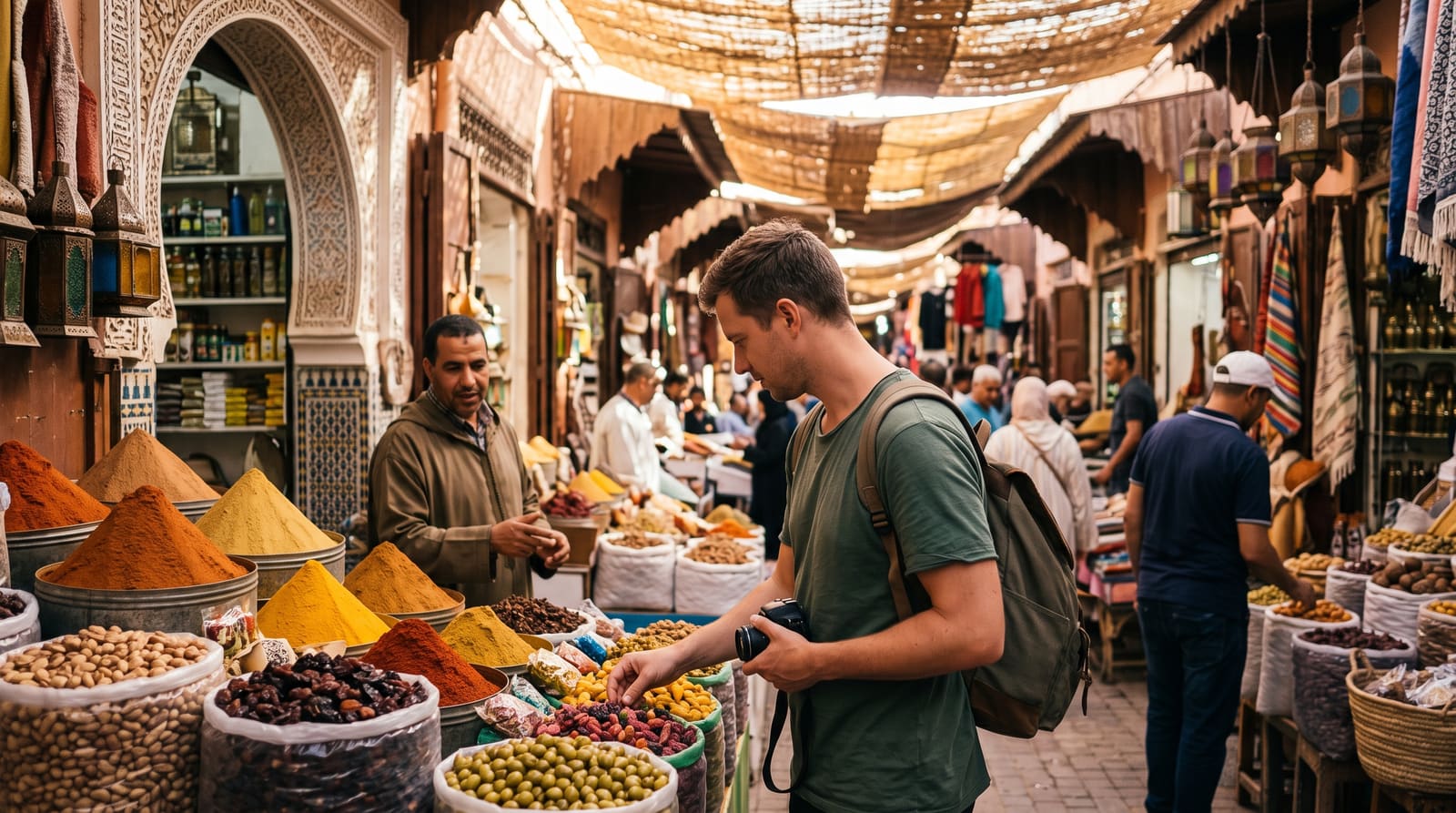
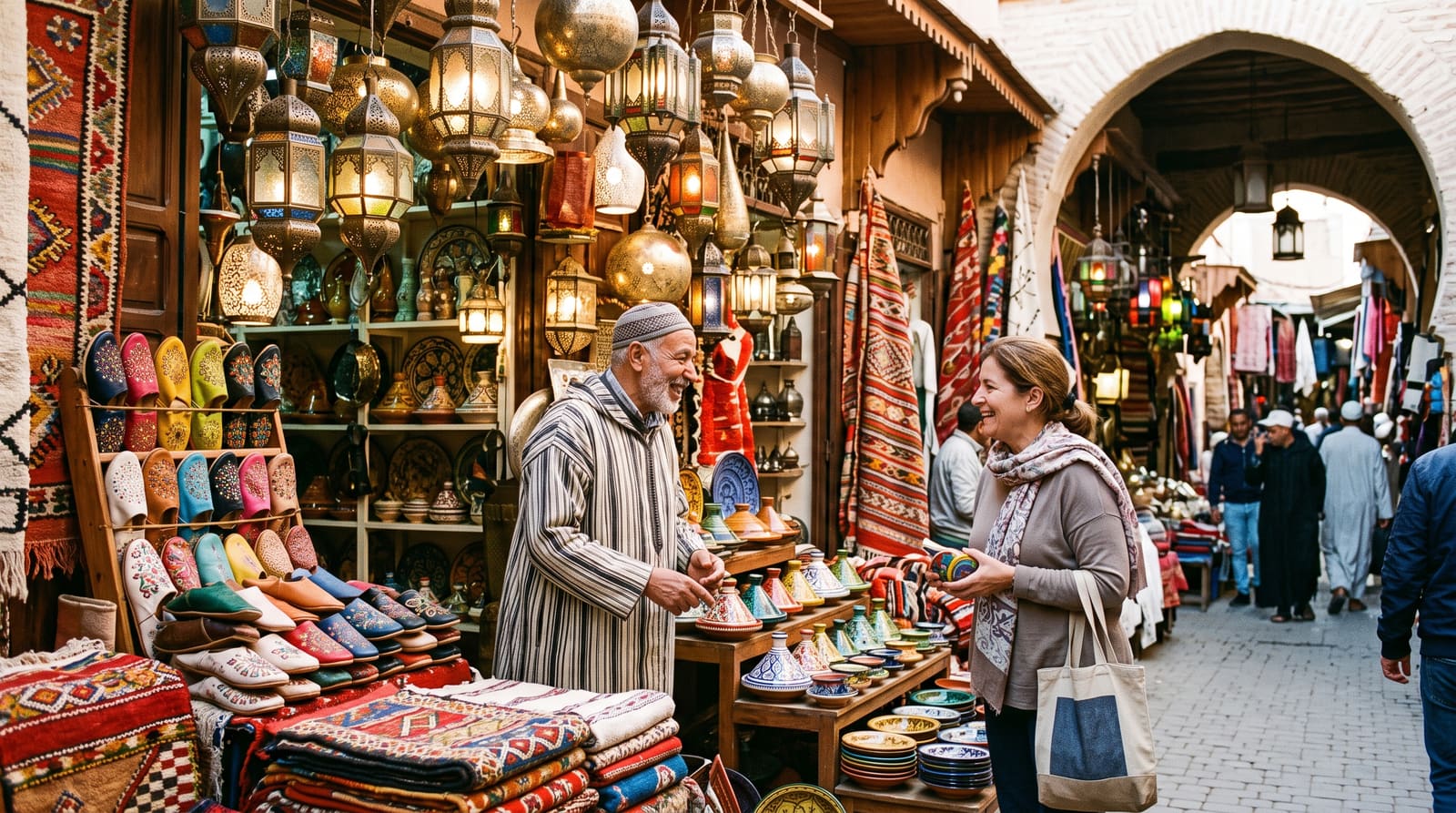
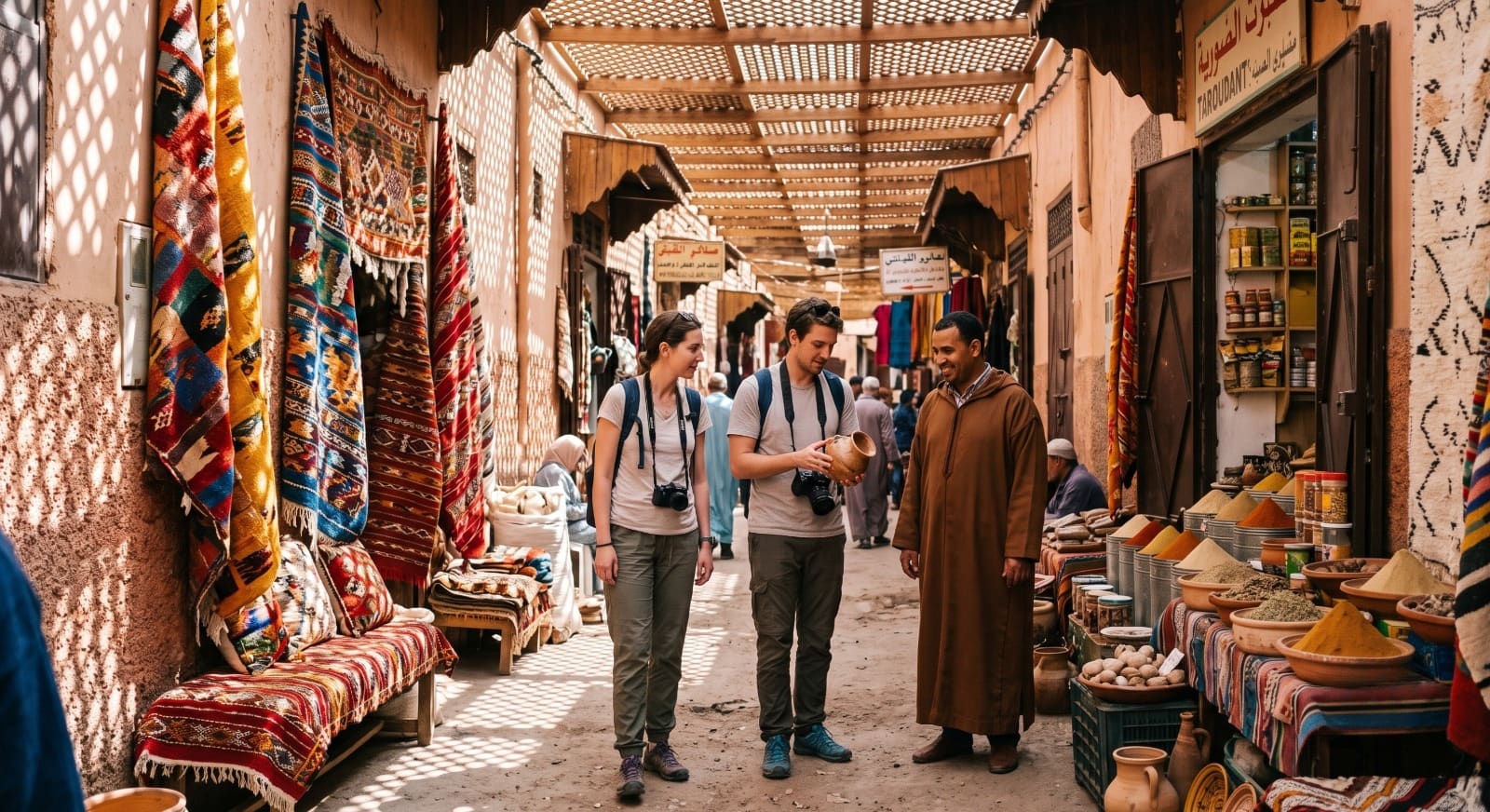
Someone offering free, friendly guidance around a market or souk sometimes has a financial incentive you’re not aware of — a commission on anything you buy at the shops they steer you toward. This isn’t automatically a reason to distrust every friendly local, but it’s worth knowing before assuming a spontaneous recommendation is purely altruistic. If a price feels inflated after being guided somewhere specific, that’s a reasonable moment to negotiate as you normally would, covered in more detail in our guide to haggling in Moroccan souks.
A Simple Rule That Covers Most of This
Most of what’s covered here comes down to one habit: agree the price, or confirm the condition of something, before the transaction happens, not after. Whether that’s a taxi fare, a henna design, or the state of a rental quad bike, establishing it upfront removes almost all the leverage these patterns rely on.
Know the pattern before you’re standing in the moment. Teefun’s app is built around honest, practical local knowledge, including the specific things worth watching for in Agadir rather than generic Morocco warnings. Download Teefun free.
Conclusion
Agadir is genuinely one of the lower-risk cities in Morocco for tourist scams, but “lower-risk” isn’t “risk-free.” Count your change, photograph rental gear before and after use, insist on the taxi meter, and keep your hands to yourself around unsolicited henna offers. Nearly everything covered here is solved by the same habit: agreeing the price or confirming the condition before the transaction, not after.
Frequently Asked Questions
Is Agadir less prone to tourist scams than Marrakech?
Generally, yes. As a purpose-built resort town rather than an ancient medina city, Agadir has a milder tourist-trap profile than Marrakech or Fes, without the maze-like medina misdirection or the more aggressive henna-grab tactics seen there. It still has its own patterns worth knowing.
What’s the most common overcharging issue in Agadir?
Taxi meter refusal remains the most frequently reported issue, alongside currency shortchanging and rental equipment damage claims on gear like quad bikes and surfboards.
Should I photograph rental equipment before using it?
Yes, always. Photographing (or filming) a rental car, quad bike, or surfboard at pickup, noting any existing marks or damage, protects you against a damage claim at return that wasn’t actually caused by you.
How does the currency shortchanging scam work?
A vendor or driver gives back less change than owed, sometimes swapping a larger note for a smaller one during the handover and claiming that’s what you gave them. Counting change before walking away, every time, is the simple fix.
Is henna a real risk in Agadir?
Less so than in Marrakech’s medina squares, but it can still happen in touristy areas. Don’t let anyone apply henna or touch your hands without an explicitly agreed price first.