Teefun local team
Travel Insurance for Morocco: The Short Answer
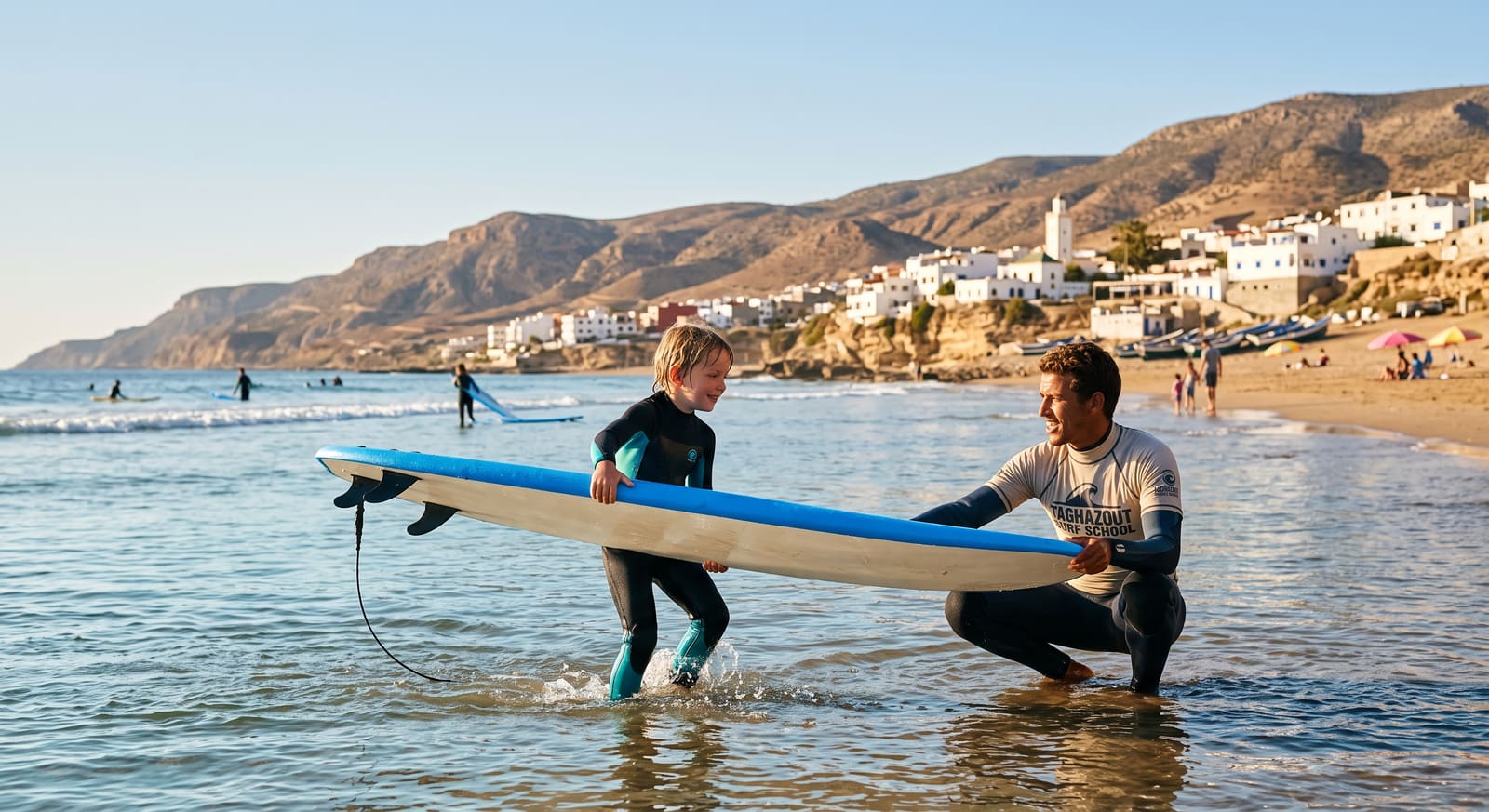
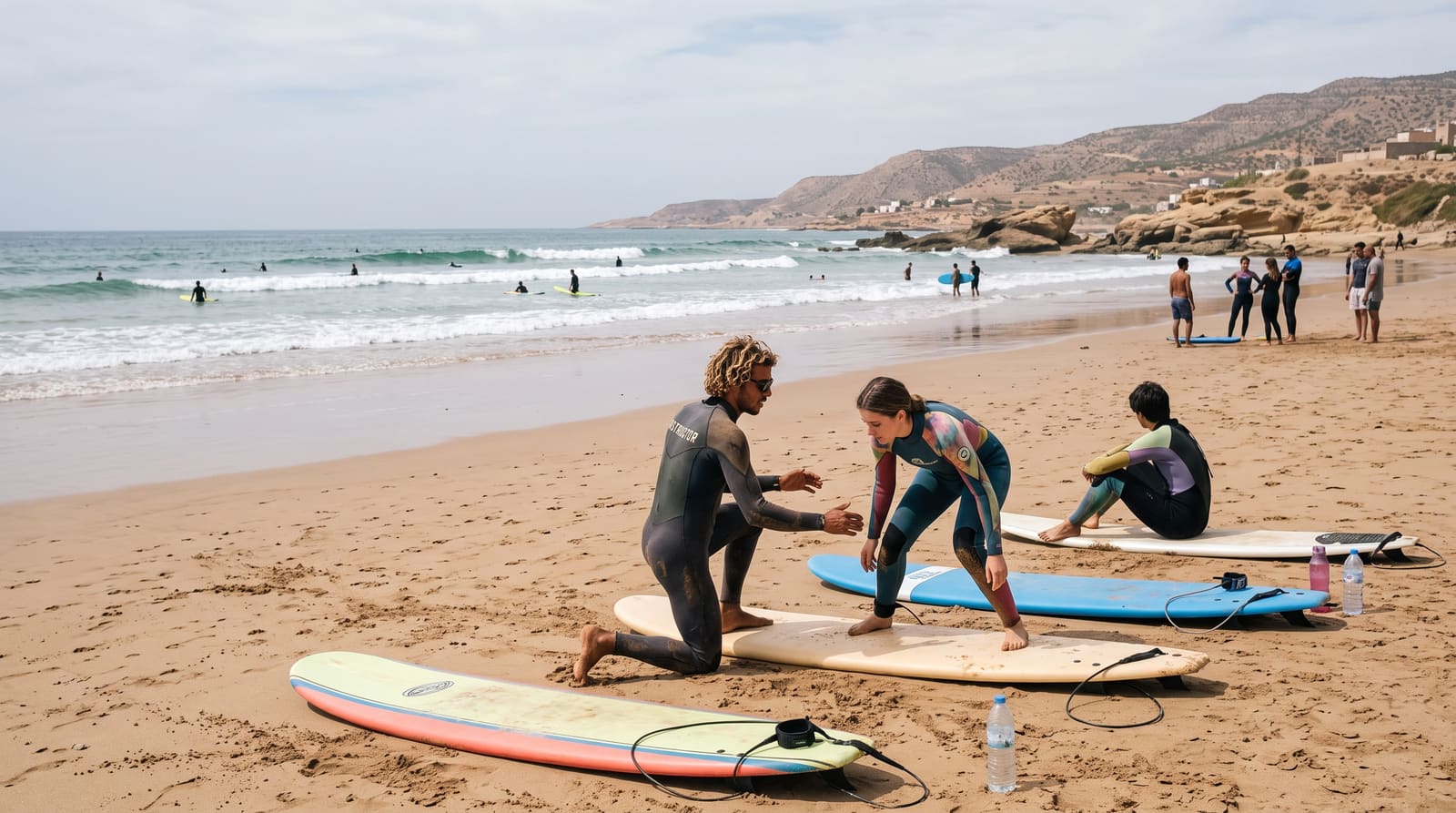
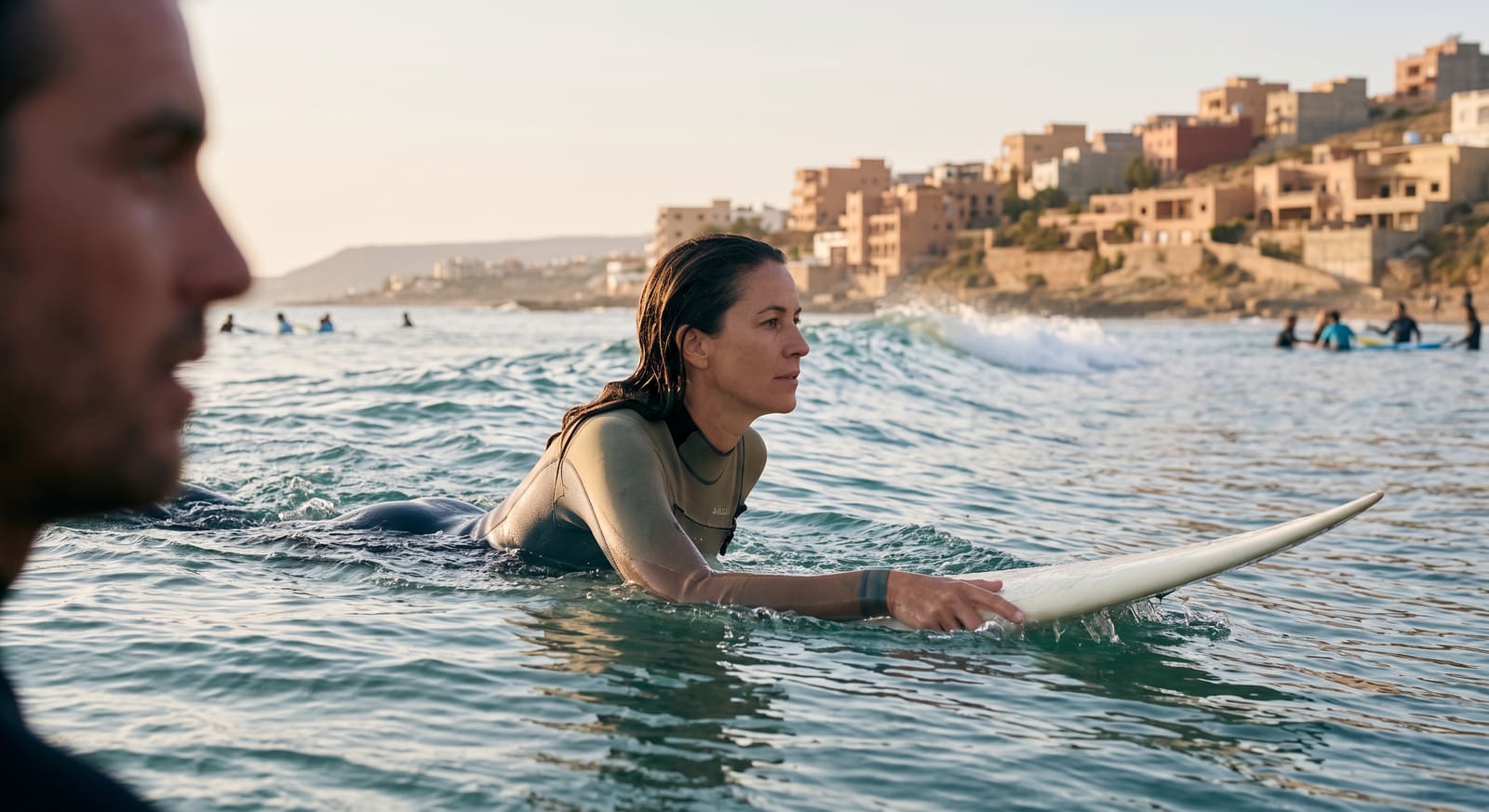
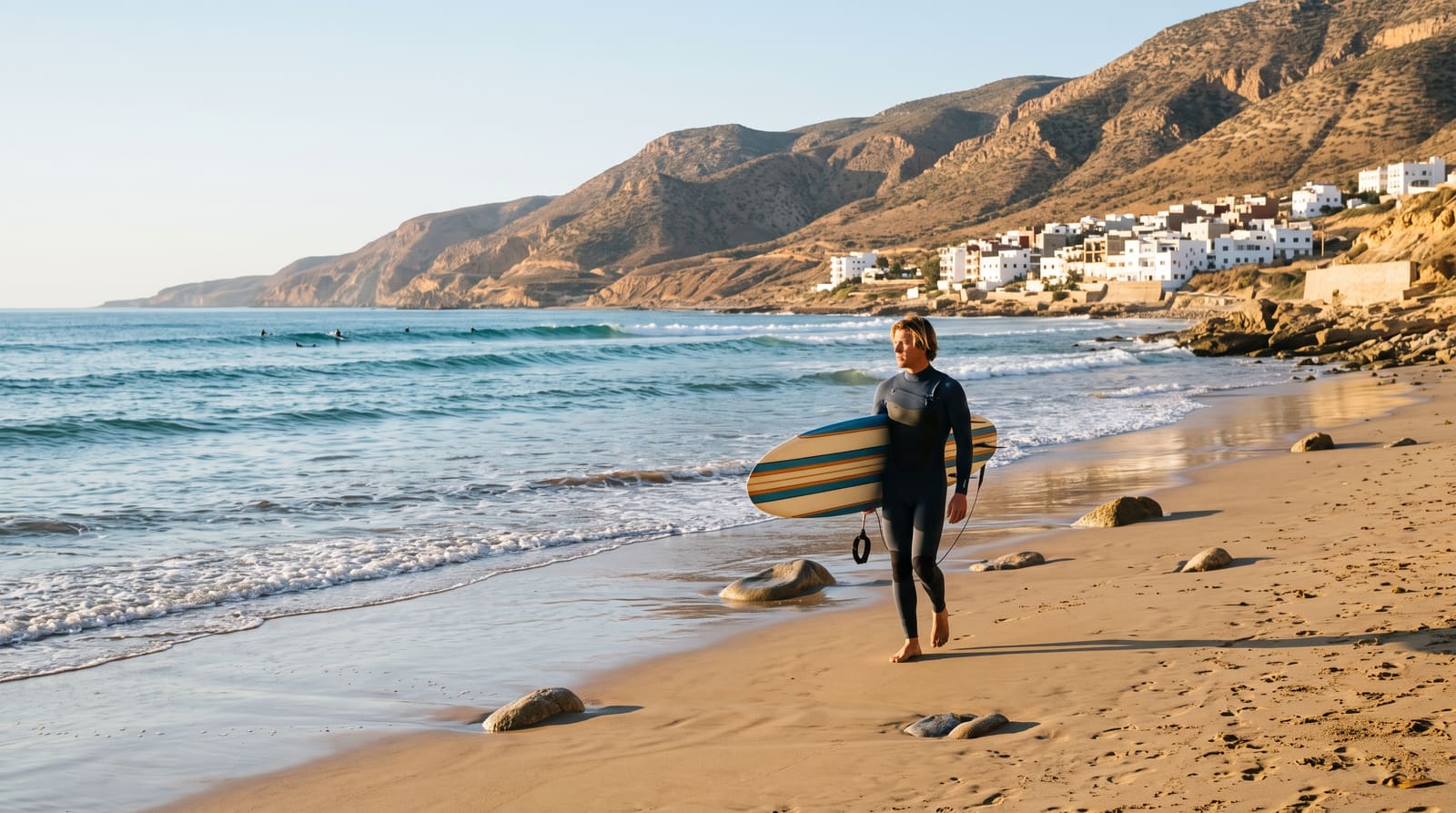
Travel insurance for Morocco isn’t a legal requirement for most nationalities on a short trip, but it matters more than it does for many destinations, for one specific reason: neither European health cards (EHIC/GHIC) nor US Medicare and most US health insurance plans provide any coverage once you’re here. If you’re planning to surf in Taghazout, the second thing to check is whether the policy actually lists surfing as a covered activity — a lot of standard policies quietly exclude it.
Why “I Already Have Health Insurance” Doesn’t Apply Here
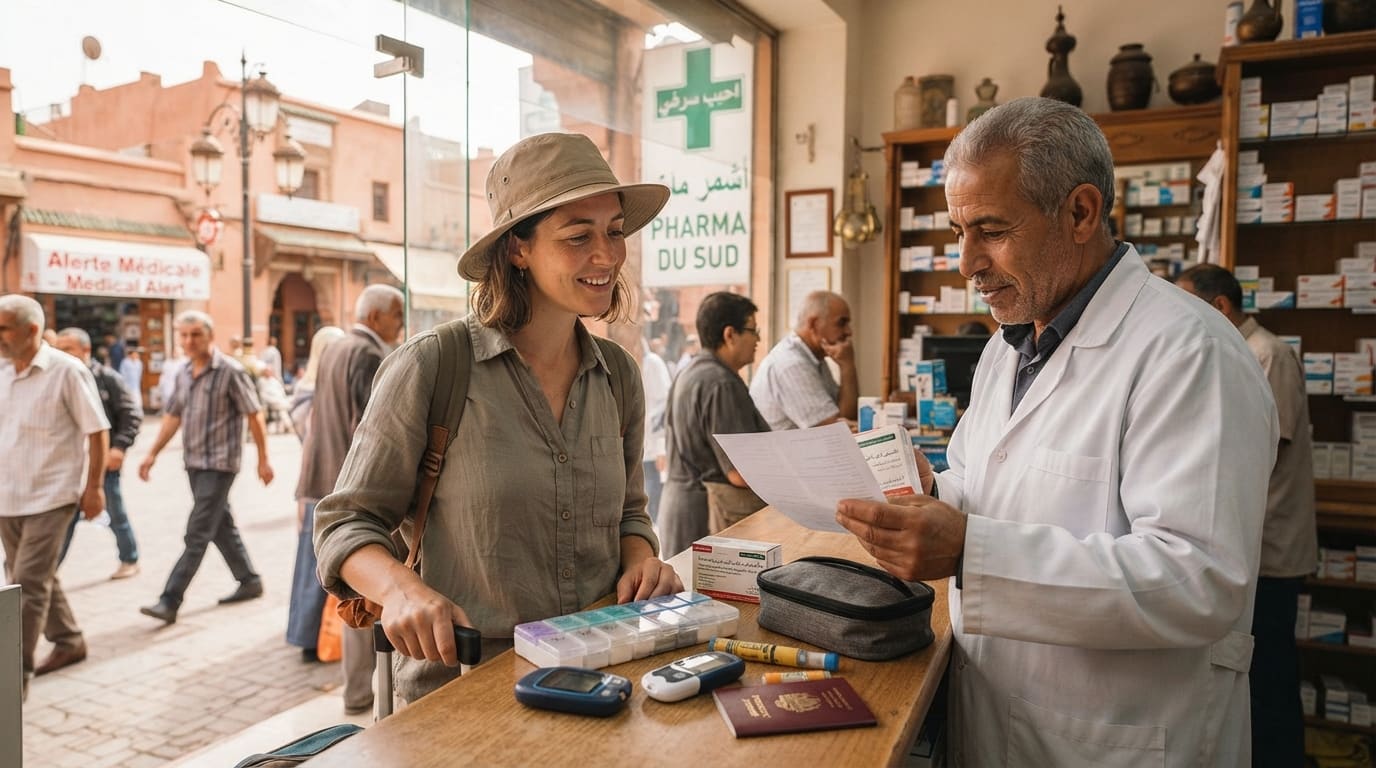
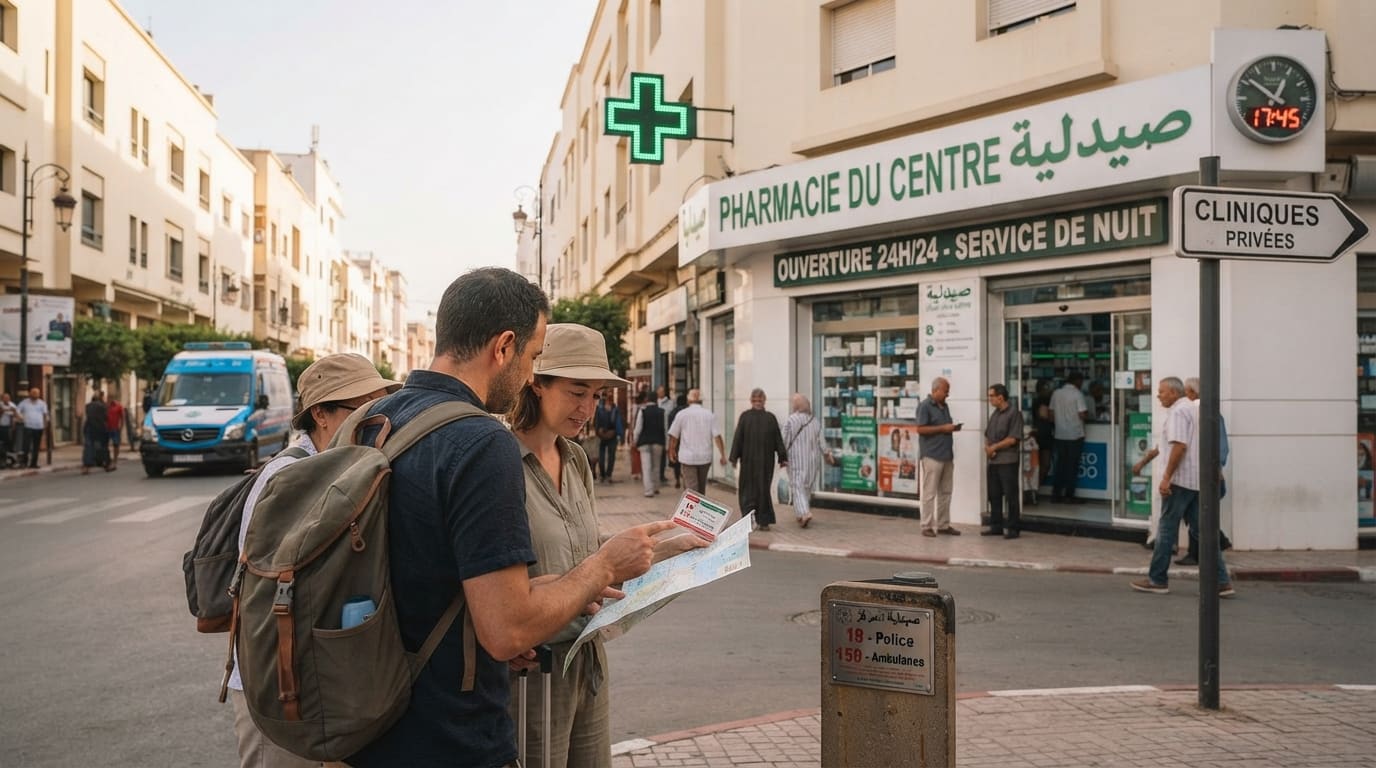
This catches a lot of travellers off guard. European visitors used to EHIC or GHIC coverage across Schengen countries will find neither works in Morocco — it’s simply outside that system, and a separate policy is required for any medical cover at all. US travellers face a similar gap: Medicare and most standard US health insurance plans don’t extend coverage abroad. In practice, this means a hospital visit in Morocco is an out-of-pocket expense without a dedicated travel policy, and estimates for an uninsured hospital stay commonly run $5,000–15,000, before factoring in medical evacuation if you’re somewhere remote.
The Surfing Exclusion Nobody Reads Until It’s Too Late
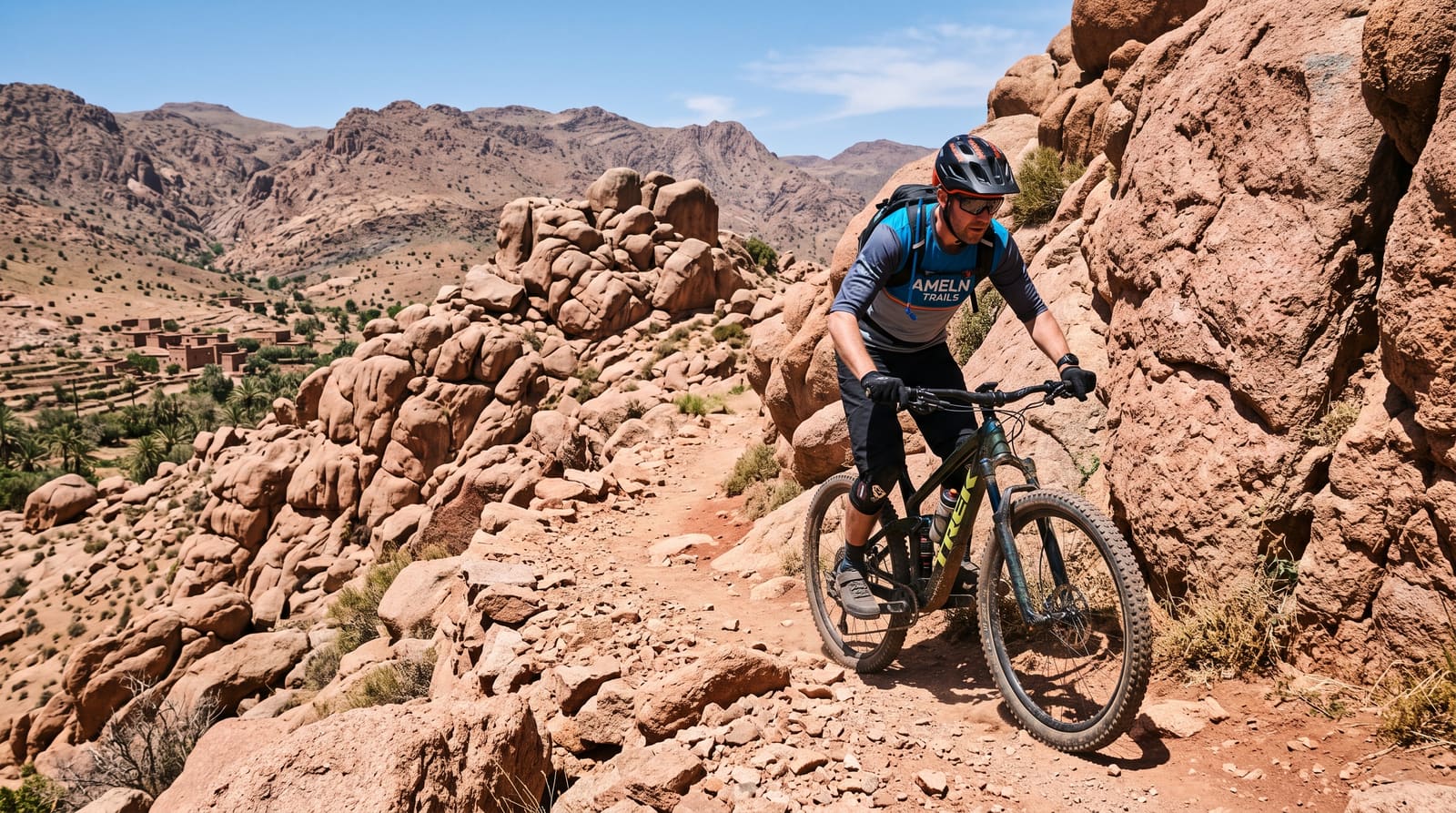
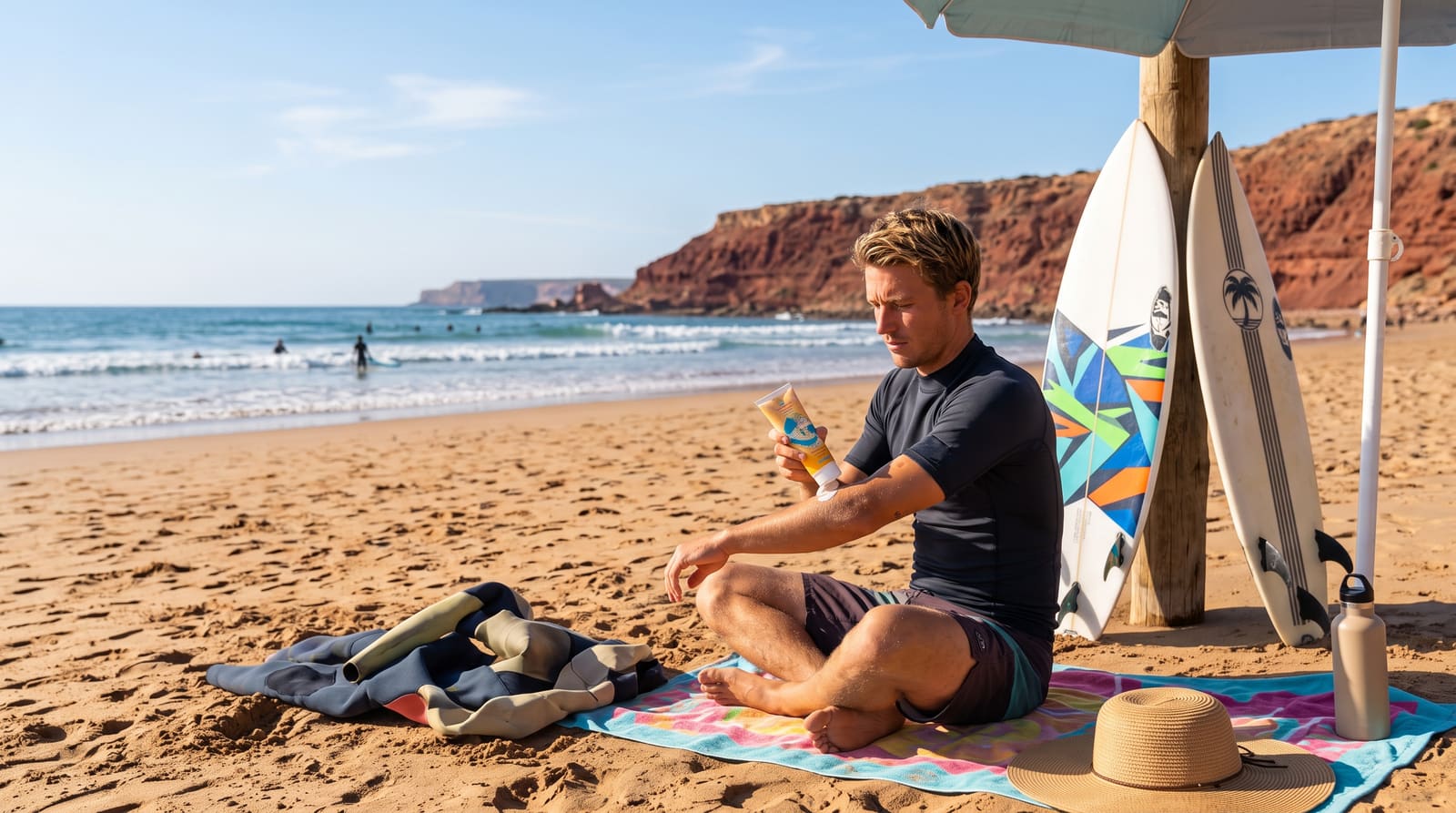
Here’s the detail that matters most for a Taghazout-bound trip: many standard travel insurance policies classify surfing, along with other “adventure” activities like quad biking or Atlas trekking, as excluded sports unless specifically added. This isn’t unique to Morocco — it’s standard practice across the travel insurance industry — but it means the cheapest policy you find isn’t necessarily the right one if surfing is the actual point of your trip. Before buying, check the policy’s specific “sports and activities” list and confirm surfing (and any other board sport, if relevant) is named, not just implied.
What Good Coverage Actually Looks Like
| Coverage Type | Reasonable Minimum | Why It Matters |
|---|---|---|
| Emergency medical | $50,000–100,000 | Covers hospital treatment, doctor visits, and diagnostics |
| Medical evacuation | $100,000, as a separate line | Getting from a remote area to adequate care isn't automatic or cheap |
| Trip cancellation/interruption | Full trip cost | Protects non-refundable flights and accommodation |
| Adventure sports rider | Confirm surfing is explicitly listed | Standard policies often exclude it by default |
| Baggage / gear | Enough to cover a surfboard or equipment | Relevant if you're travelling with gear, not just luggage |
What This Actually Costs
As a rough guide, a solid one-week policy with genuine medical, evacuation, and cancellation coverage typically runs 5–8% of your total trip cost. It’s a real expense, but worth weighing against the $5,000–15,000 range for an uninsured hospital stay — the insurance is the cheaper outcome in almost every scenario where you’d actually need it.
When to Buy
Buy soon after your first non-refundable booking, not the week before you fly. Most policies tie trip cancellation benefits to a window — commonly 14 to 21 days after your first deposit — and missing that window can mean losing access to cancellation cover entirely, even if the rest of the policy is still available to purchase later.
Quick Checklist Before You Book
- Confirm surfing (or your specific planned activities) is named in the policy’s sports and activities section, not just assumed to be covered.
- Check the medical evacuation limit is listed separately from general emergency medical cover.
- Buy within your policy’s cancellation benefit window, not just before departure.
- If you’re a European traveller, don’t assume EHIC/GHIC gives you any safety net here — it doesn’t.
- Keep your policy details accessible offline, not just in an email you need signal to open.
Insurance handles the emergency; Teefun handles the everyday planning. The app builds your Agadir and Taghazout itinerary around your actual activities and budget, with no booking markup. Download Teefun free.
Conclusion
The two things most likely to catch travellers out on Morocco travel insurance are assuming existing health coverage applies here (it generally doesn’t) and assuming surfing is automatically included (it often isn’t). Beyond that, this is standard travel insurance shopping: enough medical and evacuation cover to matter, cancellation protection bought early, and a policy you’ve actually read the activity list on rather than the cheapest option that popped up first.
Frequently Asked Questions
Do I legally need travel insurance to visit Morocco?
No, it’s not a legal entry requirement for most nationalities on a short stay. It’s strongly recommended regardless, since neither EHIC/GHIC nor most home health insurance provides coverage in Morocco.
Does my European Health Insurance Card (EHIC/GHIC) work in Morocco?
No. Morocco isn’t part of that system, so EHIC and GHIC provide no coverage there — a separate travel insurance policy is needed for any medical protection.
Is surfing covered by standard travel insurance for Morocco?
Not always — many standard policies exclude surfing and other adventure activities by default. Check the specific “sports and activities” section and confirm it’s explicitly listed before you buy.
How much does travel insurance for Morocco typically cost?
Roughly 5–8% of your total trip cost for a one-week trip with solid medical, evacuation, and cancellation coverage, though this varies by age, provider, and coverage limits.
When should I buy travel insurance before a Morocco trip?
As soon as possible after your first non-refundable booking. Trip cancellation benefits are commonly tied to a 14–21 day window from that first deposit.