Teefun local team
Traveling to Morocco with a Baby or Toddler: The Short Answer
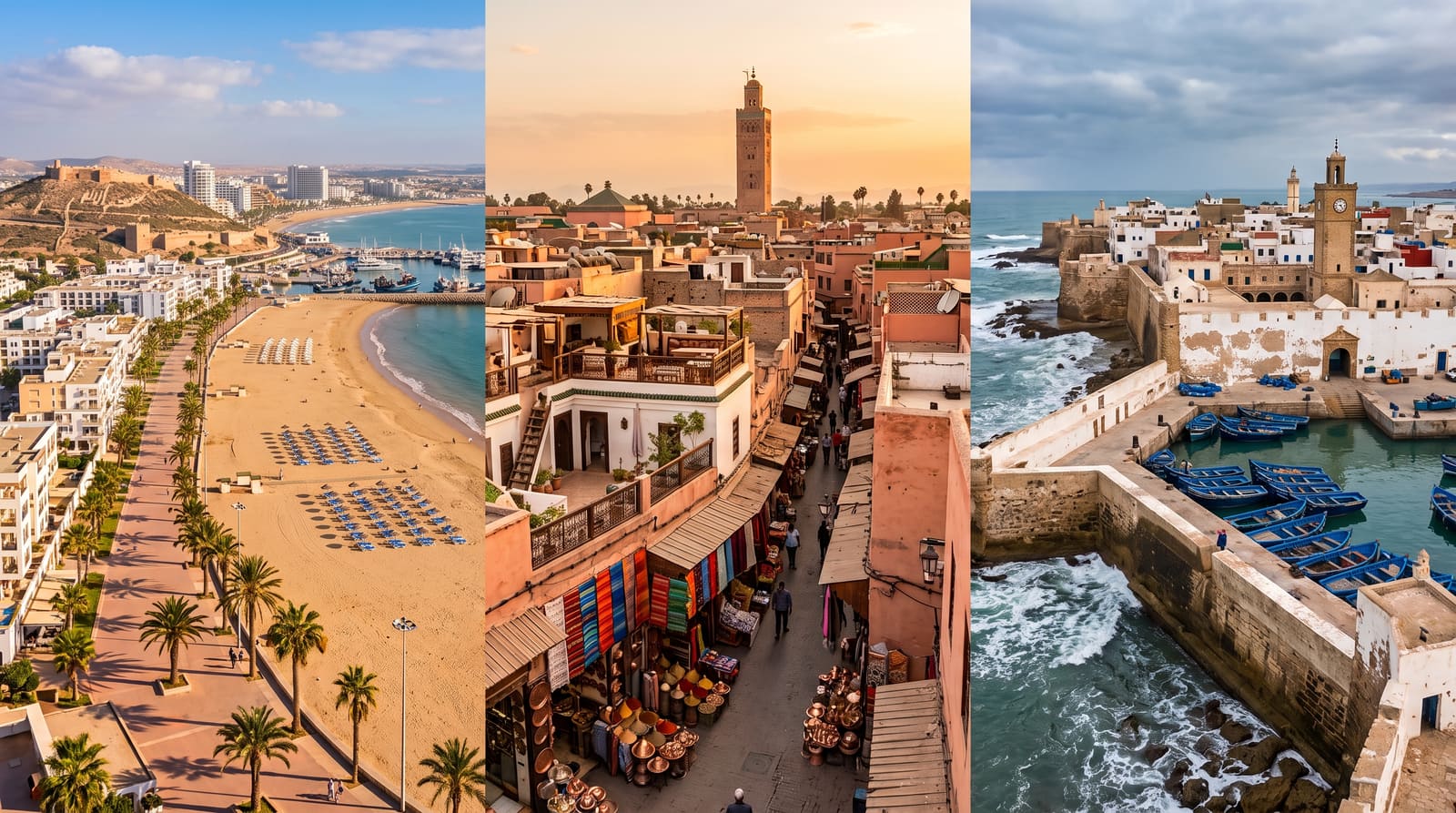
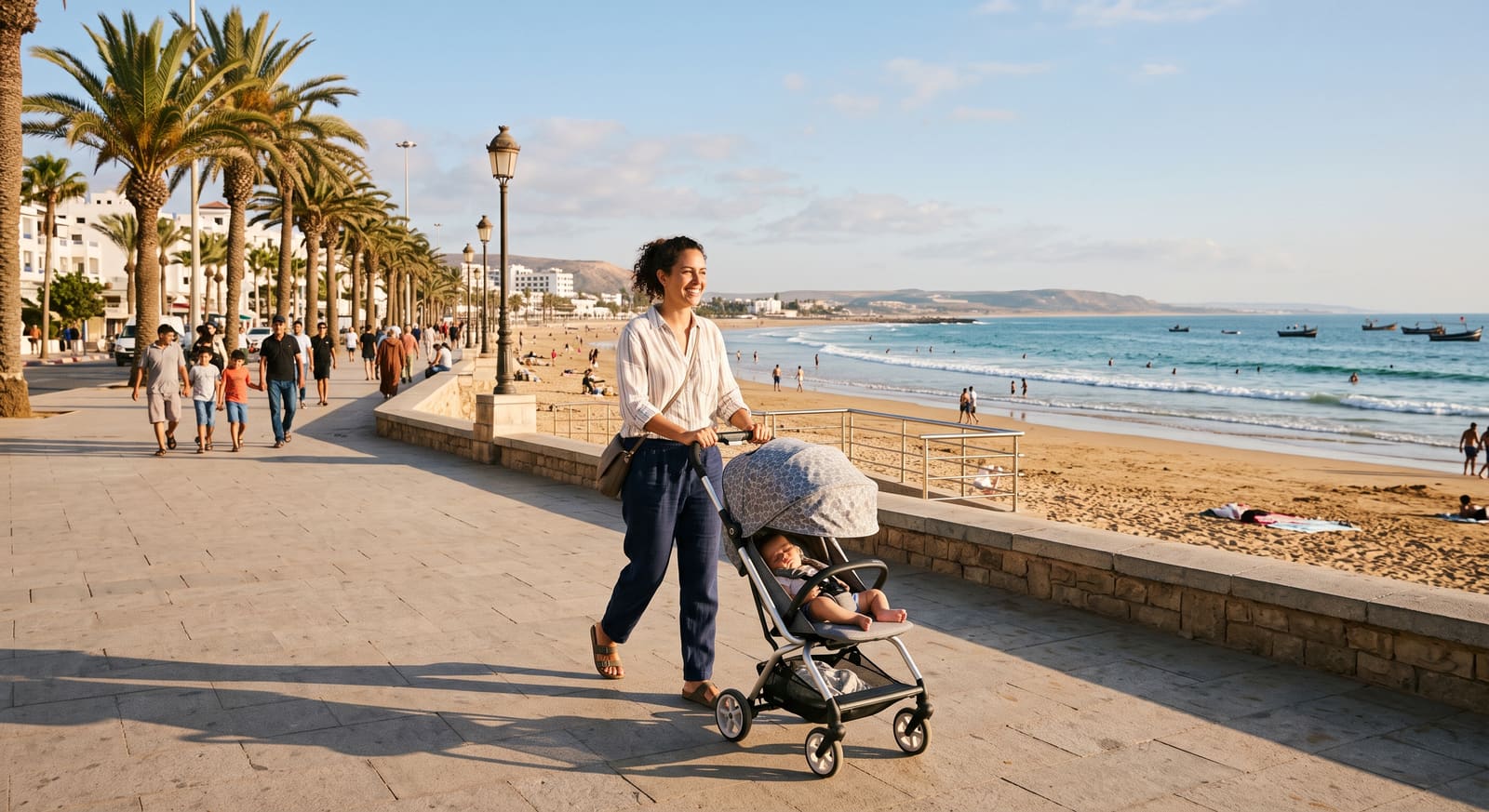
Morocco is genuinely doable with a baby or toddler, and Agadir specifically is considered the easier option within the country: flat terrain, a mild climate, beach access, and pools, compared with the steep medina streets of Marrakech or Fes, or long desert drives better skipped with under-2s. The practical gaps worth planning around are car seats, baby-changing facilities, and formula water — none of which are dealbreakers, but all worth sorting before you land rather than discovering on day one.
Why Agadir Specifically Is the Easier Base
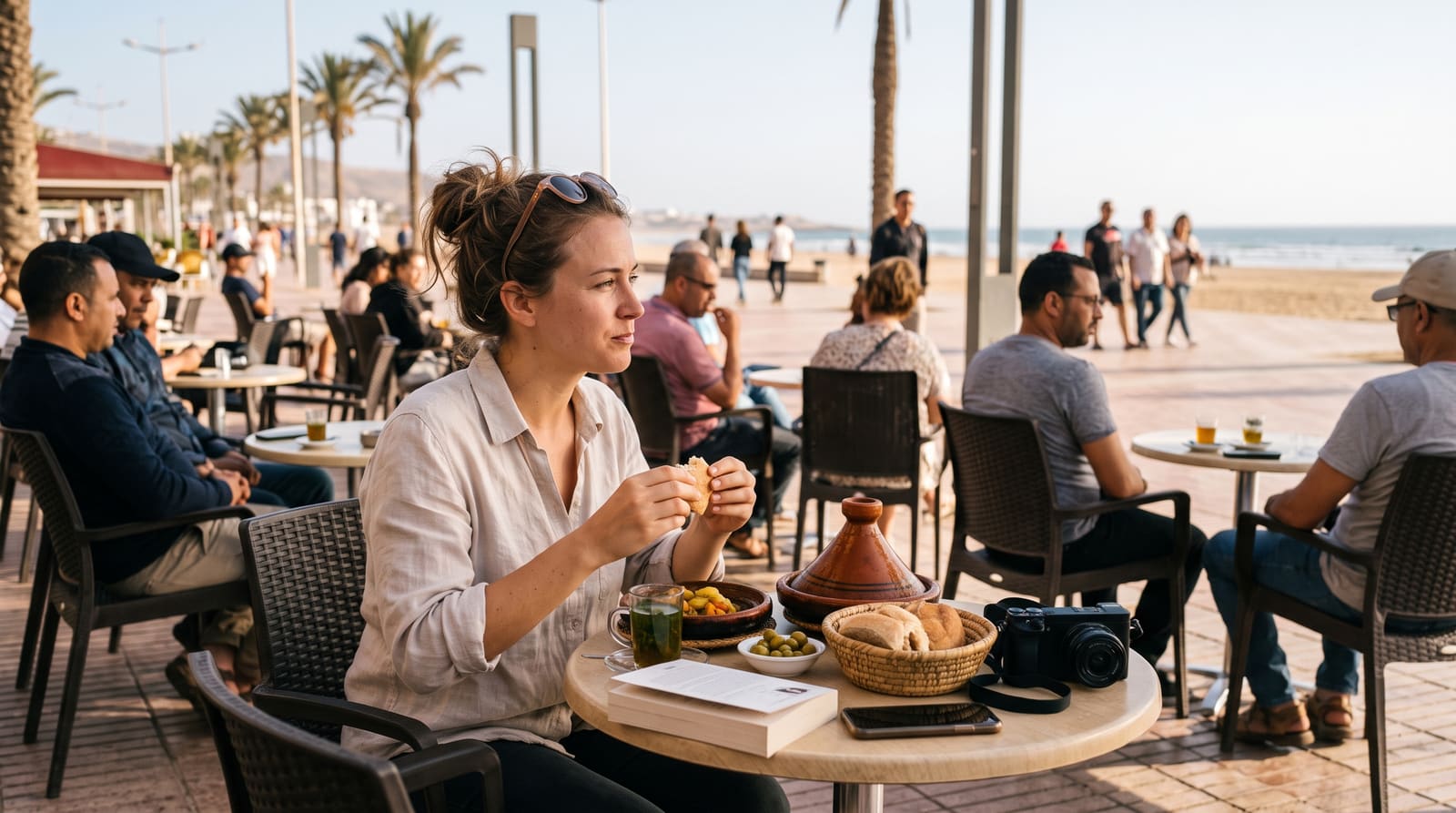
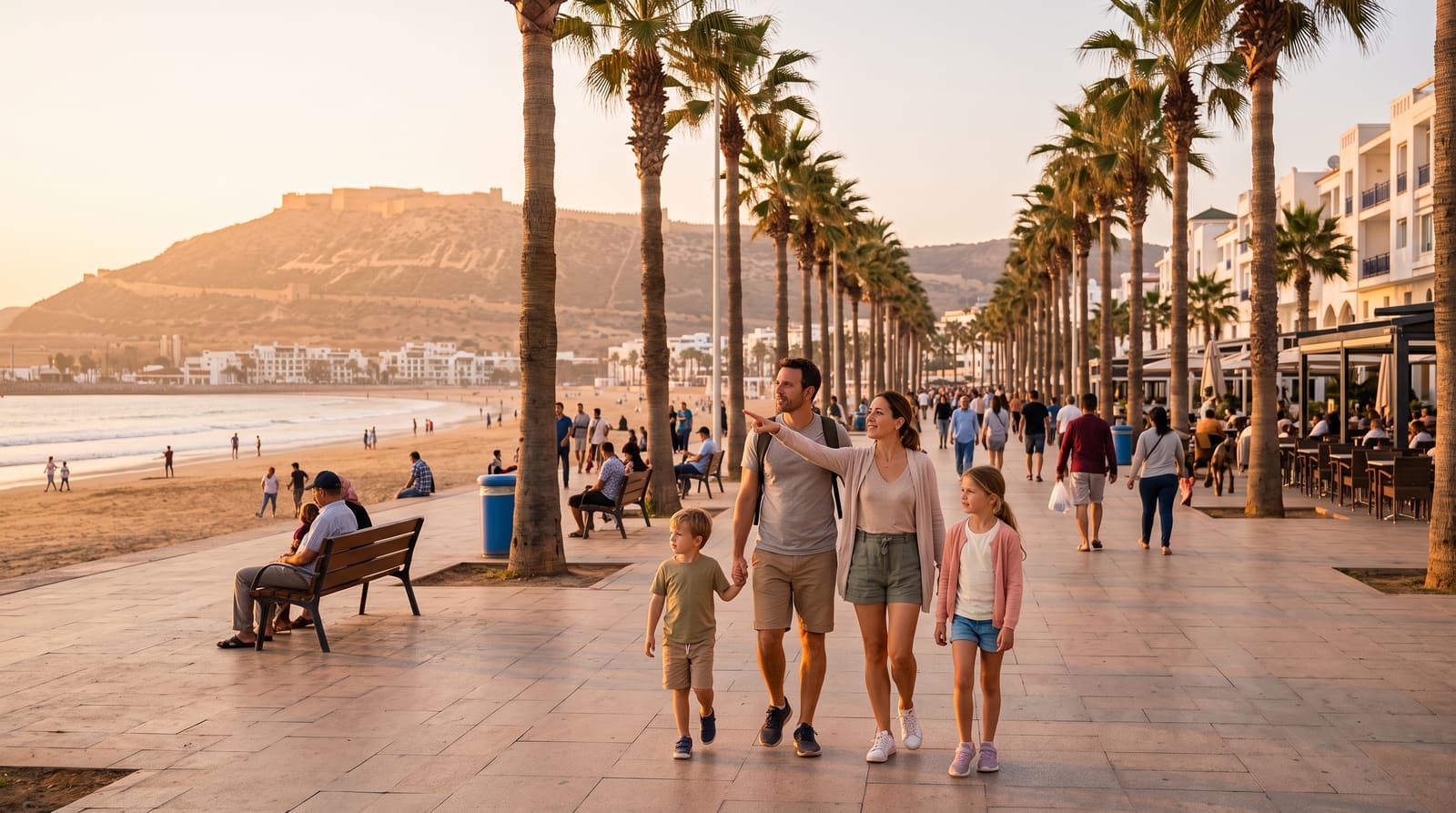
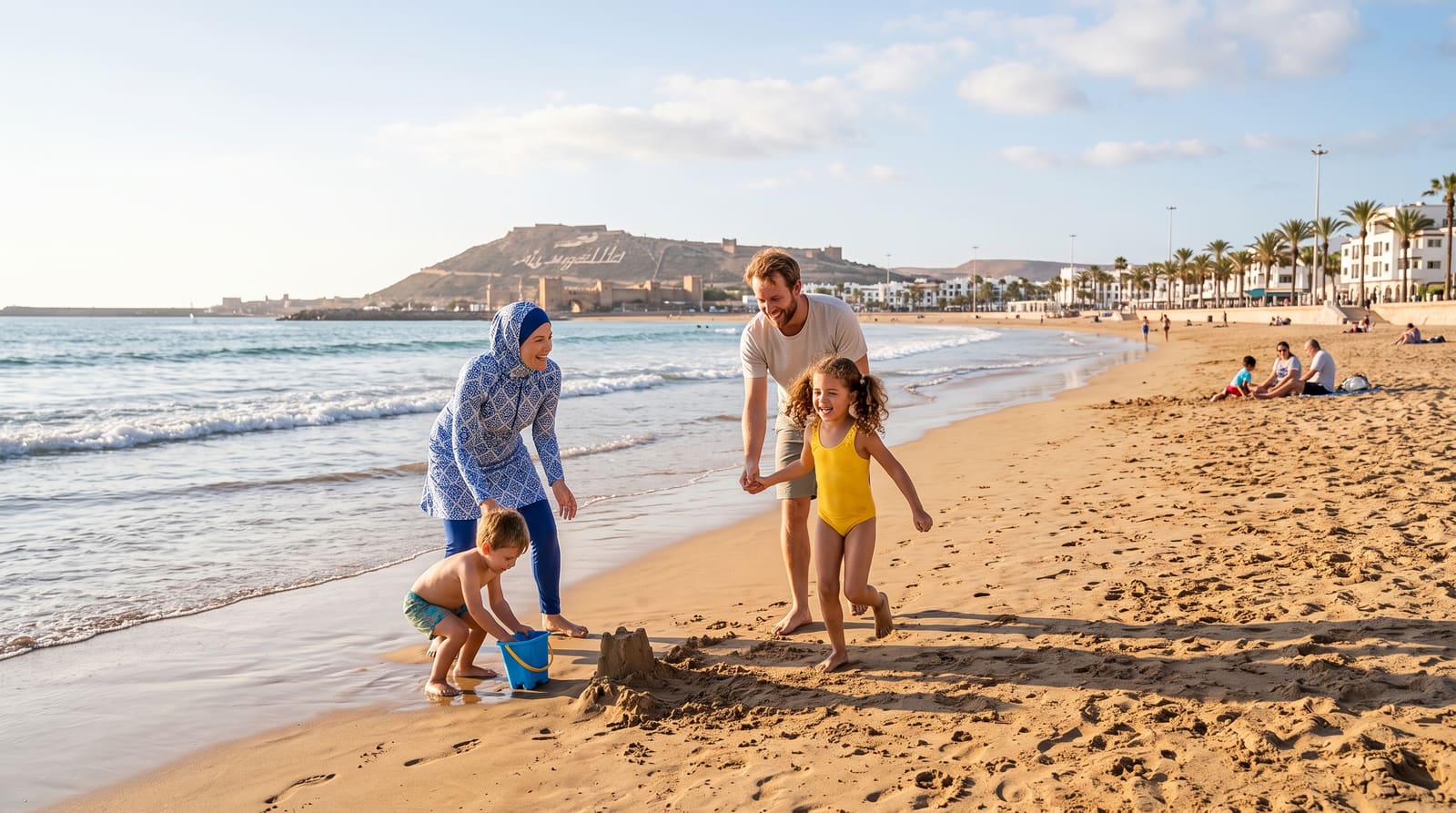
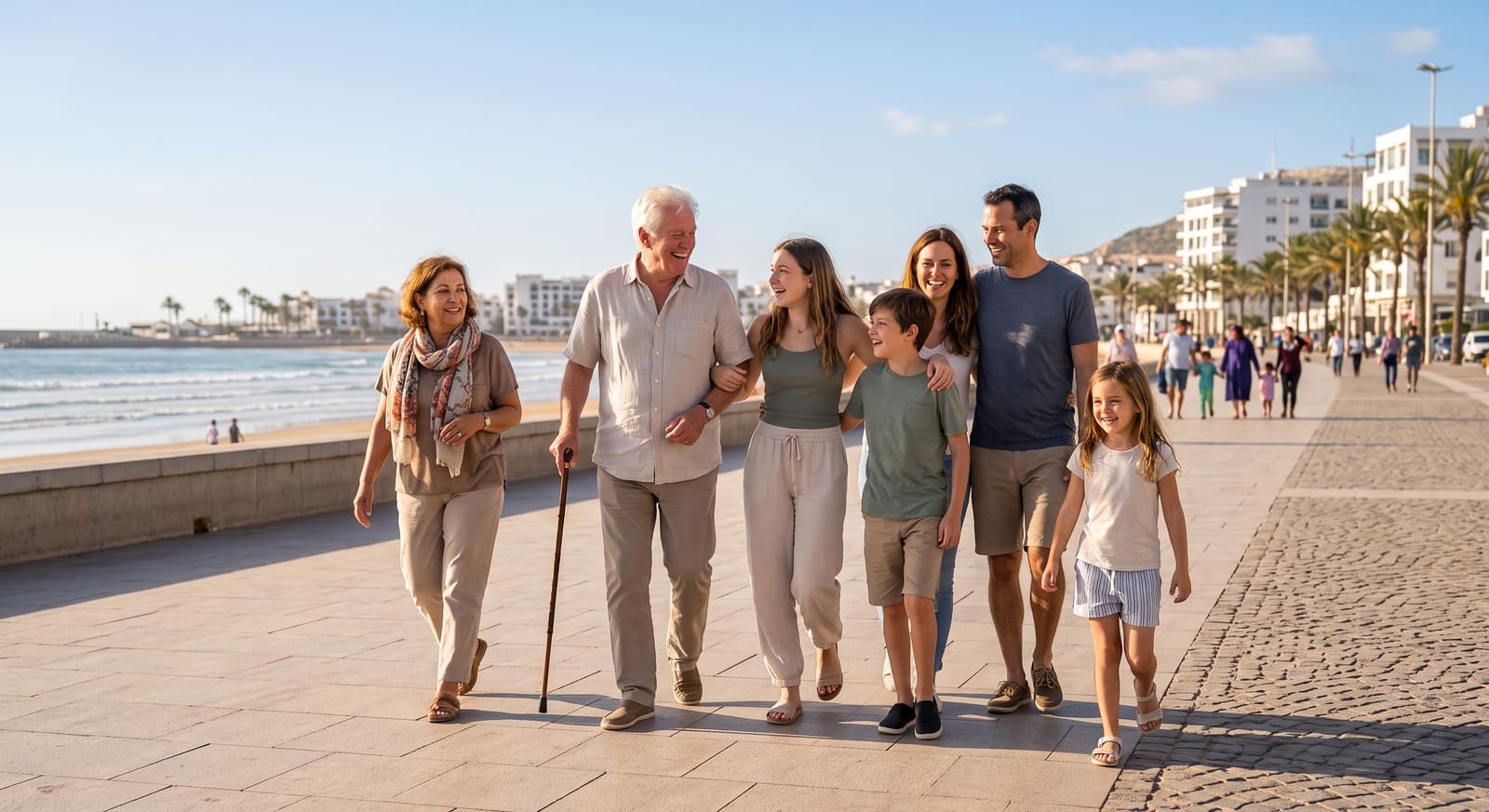
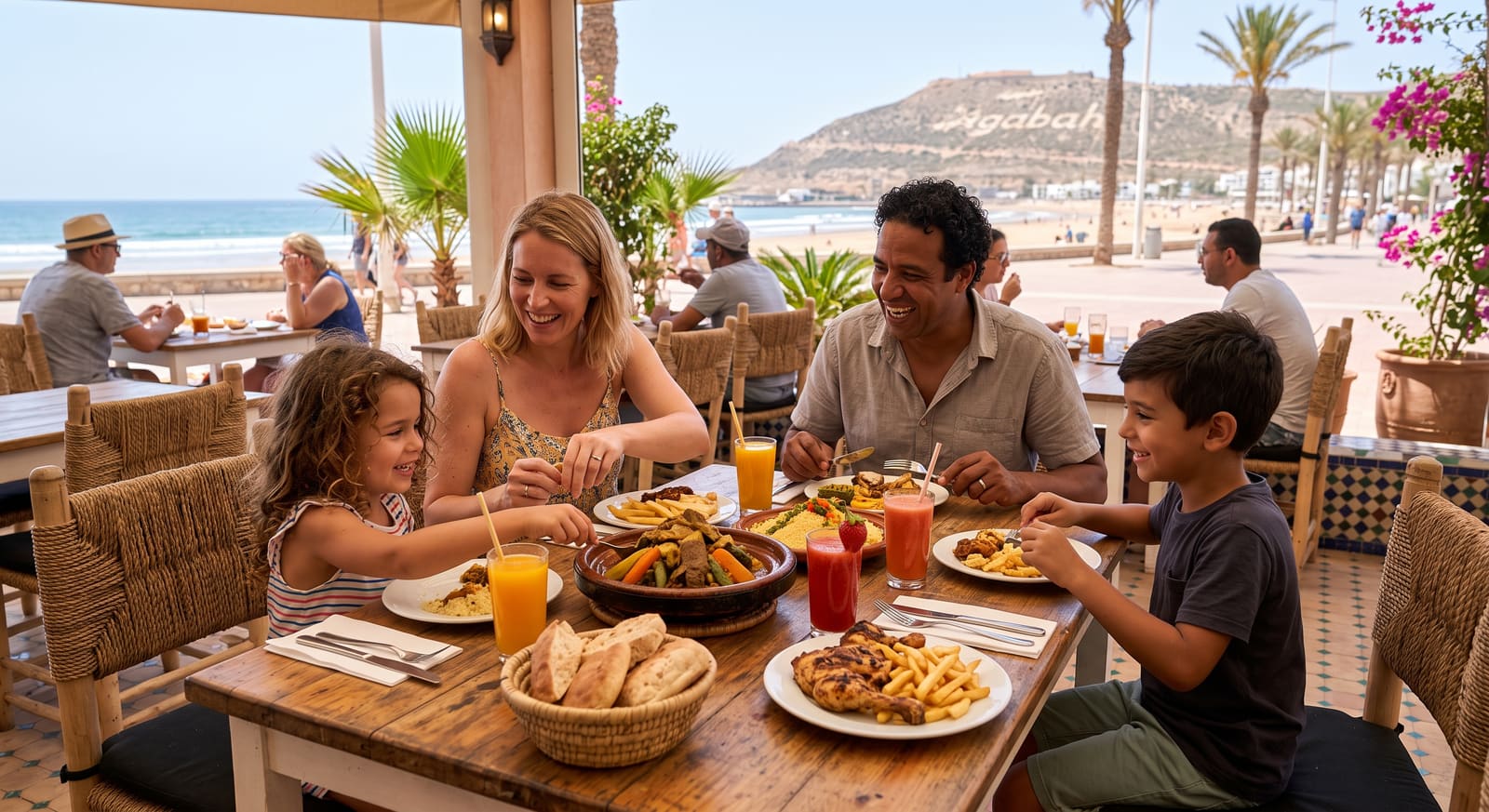
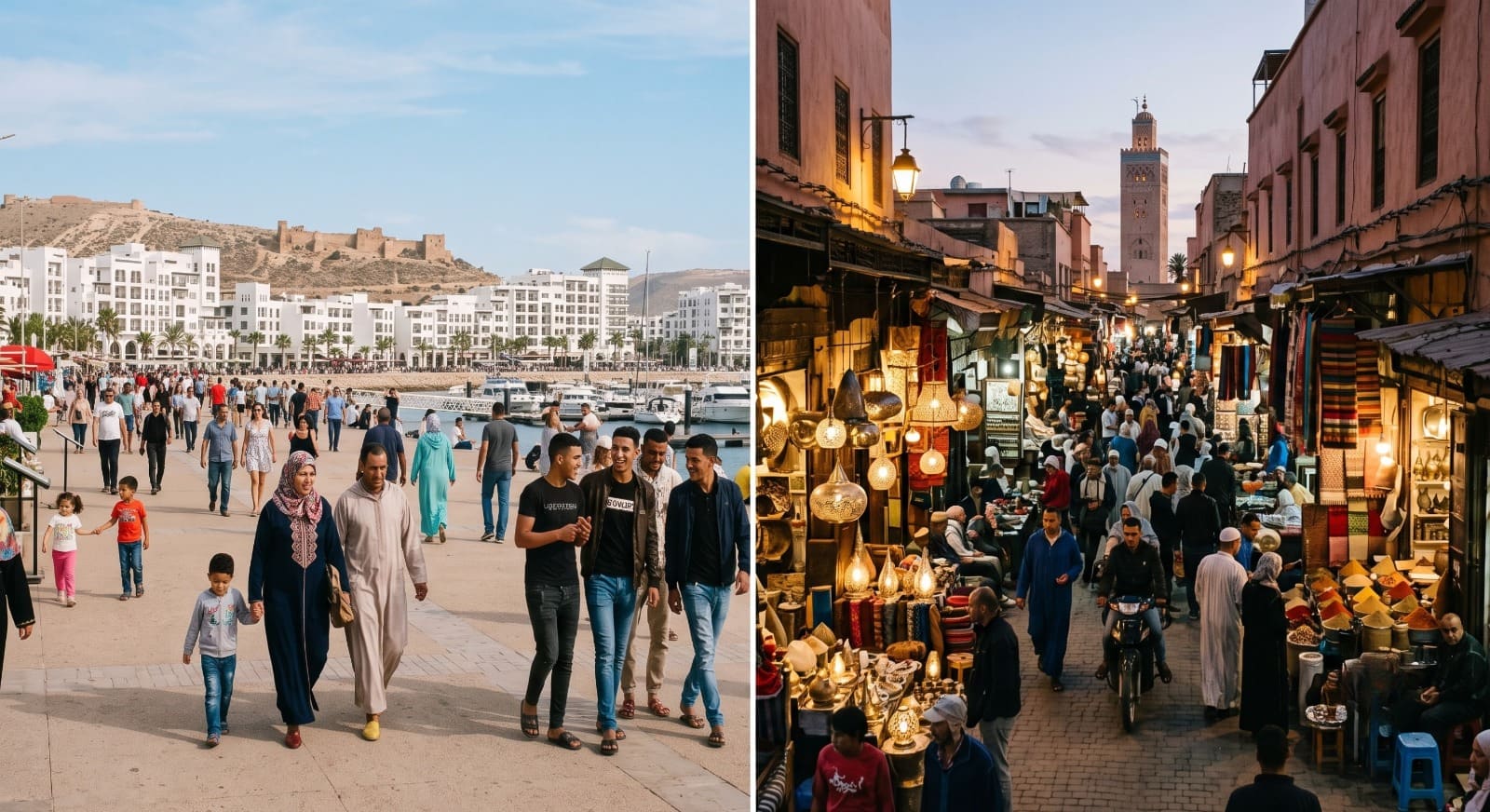
Morocco’s more famous destinations — Marrakech’s medina, multi-day Sahara routes — come with real friction for this age group: uneven cobblestones, steep staircases without elevators, and long car journeys that skip naps and stretch patience. Agadir’s flat, modern layout, wide beach, and resort-style accommodation avoid most of this by design. It’s also one of the Moroccan cities where baby supplies are more reliably stocked, which matters more than it might sound for a trip with a baby or toddler specifically.
Diapers, Formula, and Baby Food: What’s Actually Available
Diapers (often sold as international brands like Pampers) are available at larger supermarkets and city pharmacies in Agadir, generally at prices similar to home. Jarred baby food and formula are also stocked at bigger supermarkets here, one of a handful of Moroccan cities where this is reliably true, alongside Marrakech and Casablanca — in more remote parts of the country, this isn’t the case, which is one more reason an Agadir-based trip is more manageable with a baby. It’s still worth packing a few days’ supply for the start of the trip and being prepared for a fussier baby to reject a different brand’s taste, but running out entirely isn’t the real risk here.
The Car Seat Gap
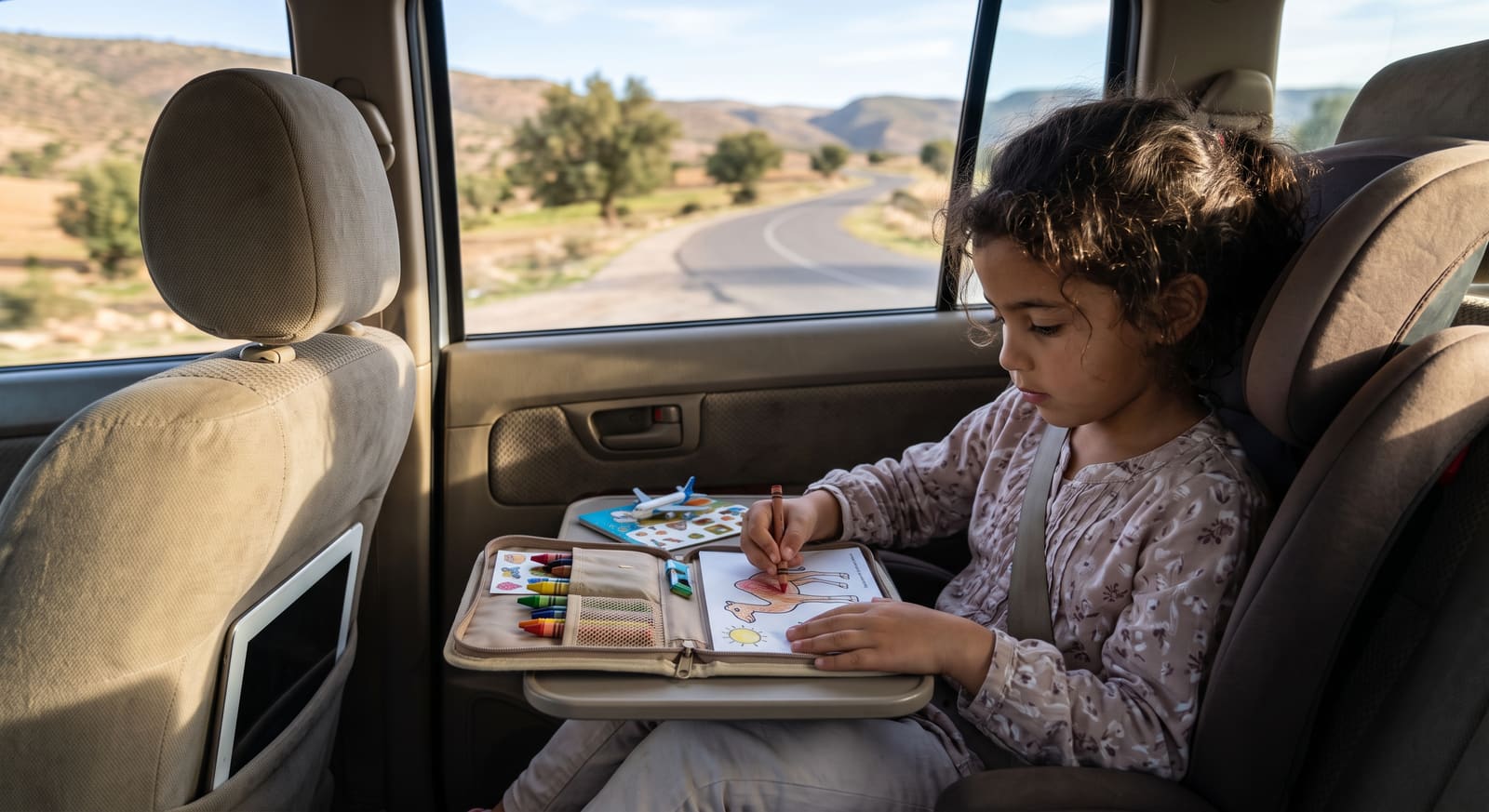
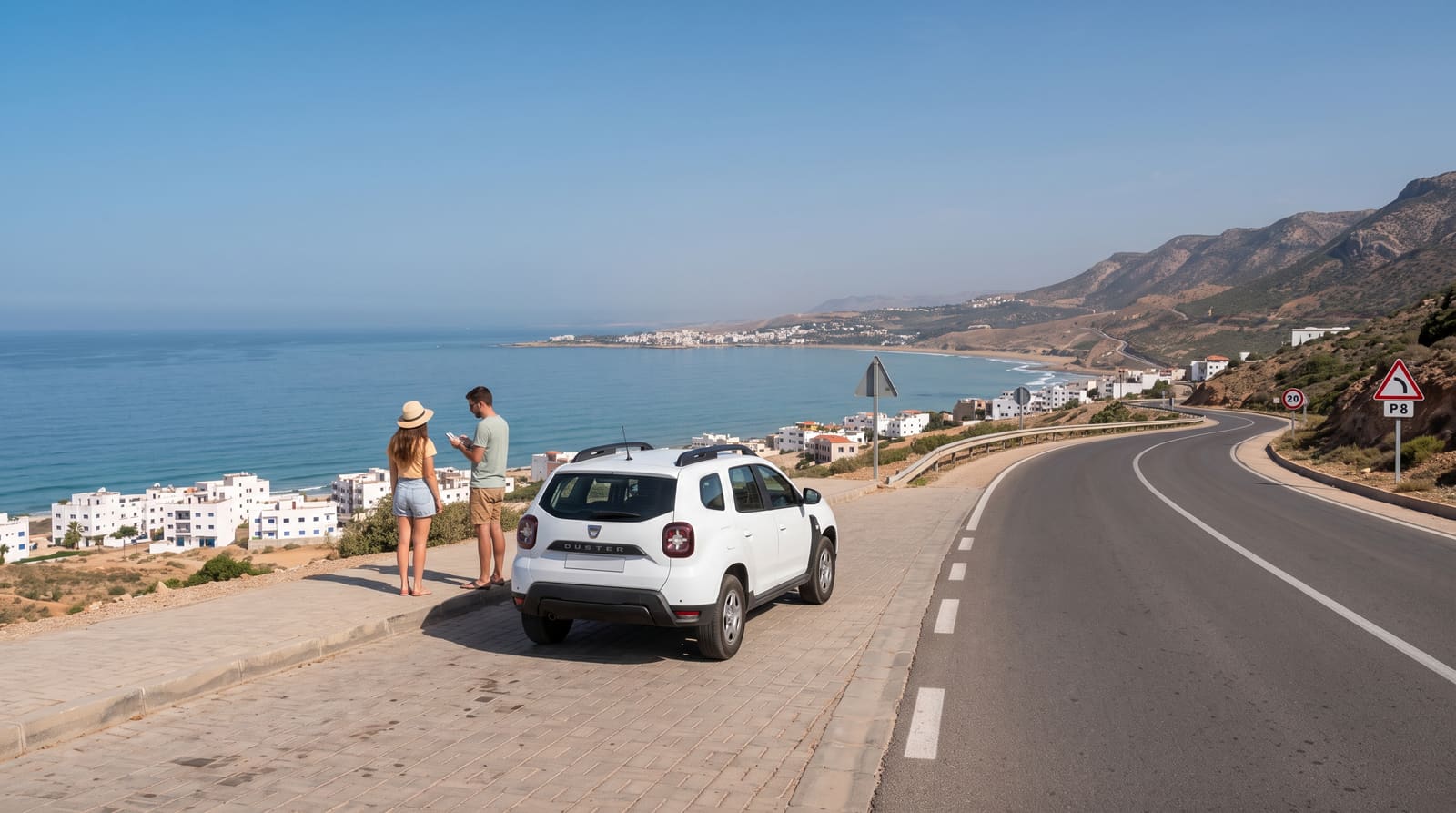
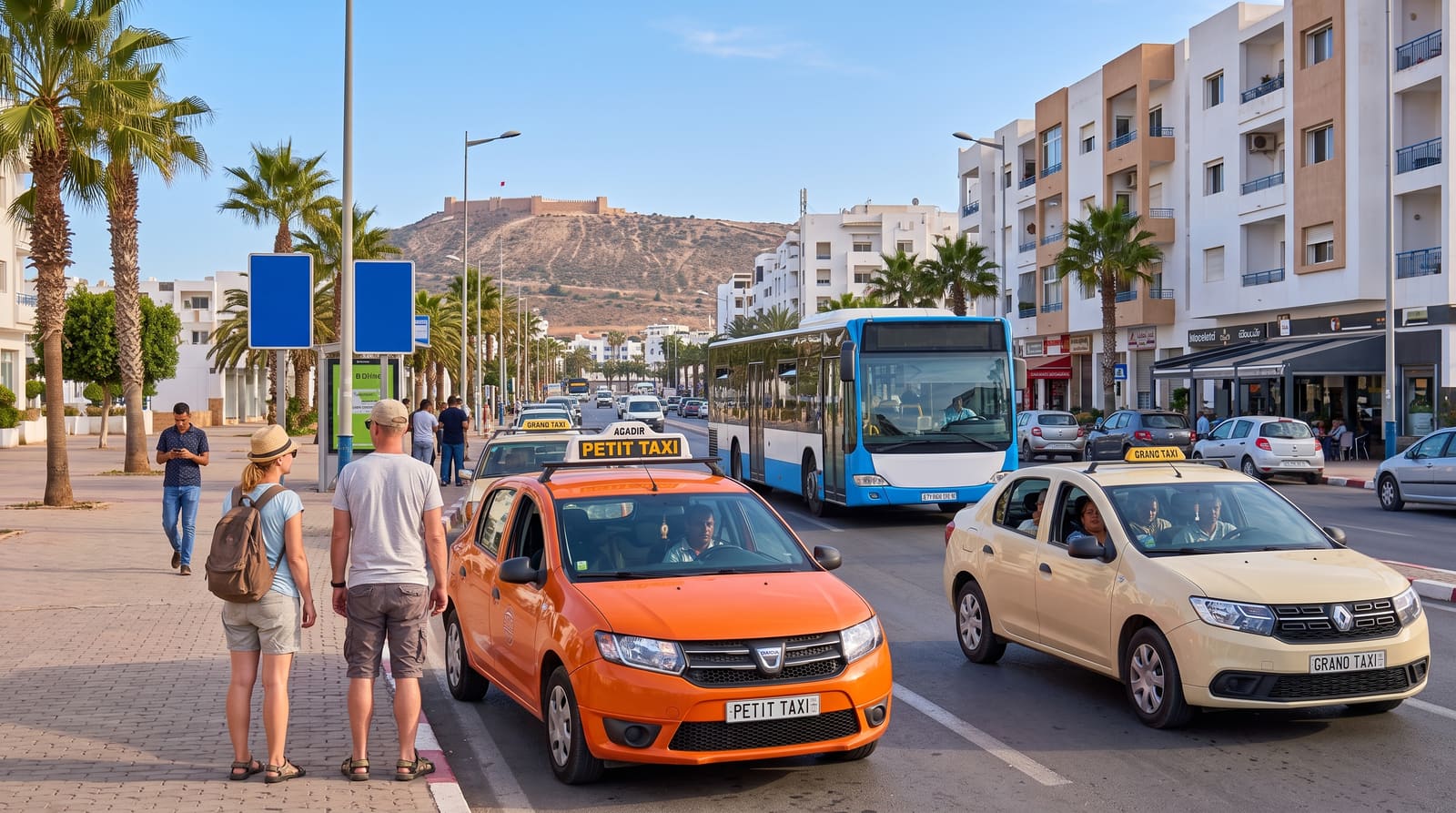
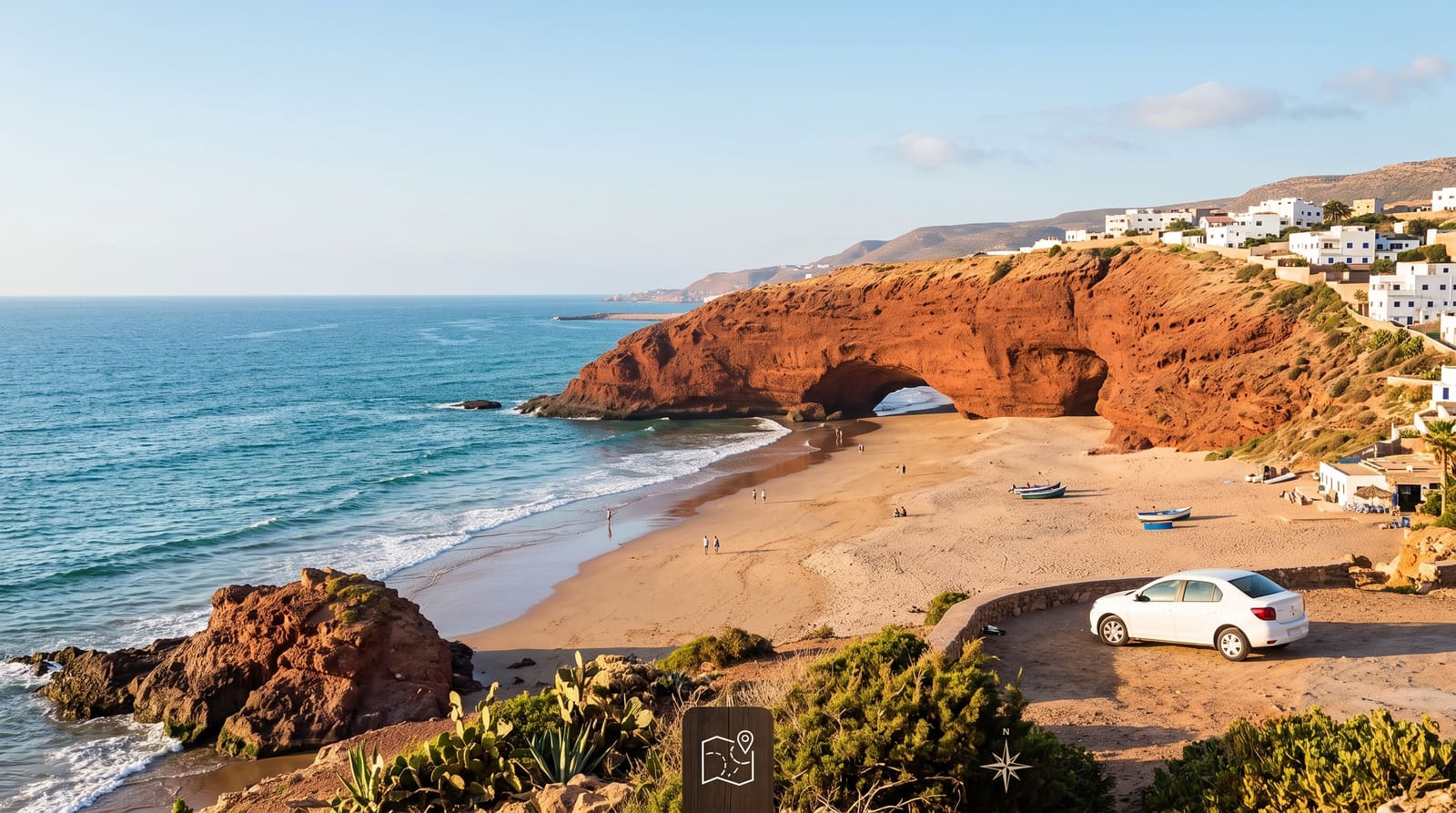
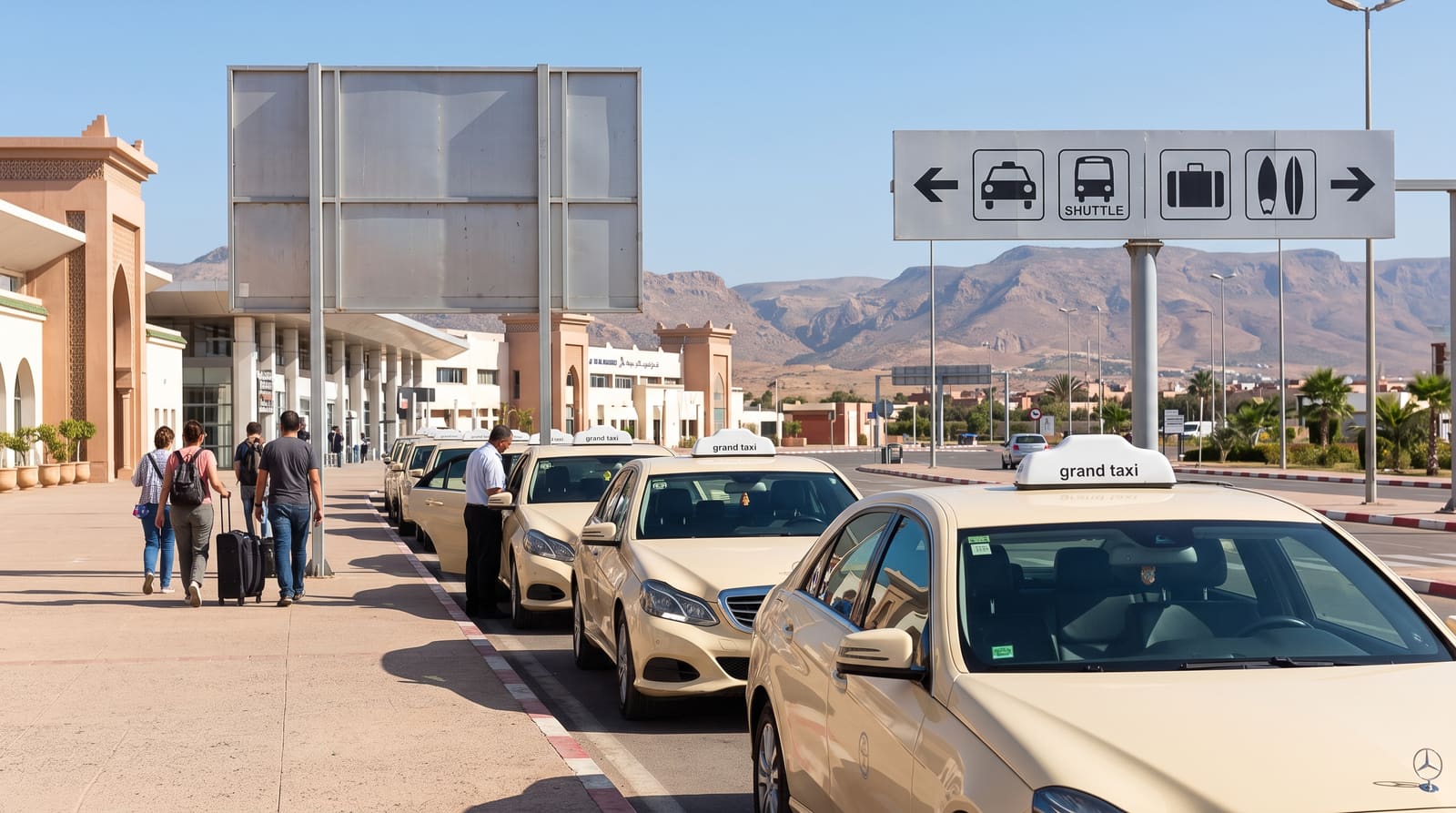
This is one of the more genuine practical gaps: car seats are difficult to find locally, generally lower quality when available, and most Moroccans don’t use them for children in taxis. The two realistic solutions are bringing a portable travel car seat with you, or renting a car specifically so you can install your own seat rather than relying on taxi transport for a baby or toddler. Neither is a dealbreaker, but it’s worth deciding on your approach before you arrive rather than assuming a taxi will have appropriate seating.
Changing Nappies on the Road
Public changing facilities are genuinely rare outside of a few upscale malls and highway service stations. The practical approach: bring a portable travel changing mat and expect to change nappies in your accommodation, outdoors on a bench, or in the back of a taxi rather than counting on finding a dedicated baby-changing room while out and about. This is one of those details that’s easy to overlook until you actually need it mid-outing.
Sun, Heat, and Water Safety for Young Kids
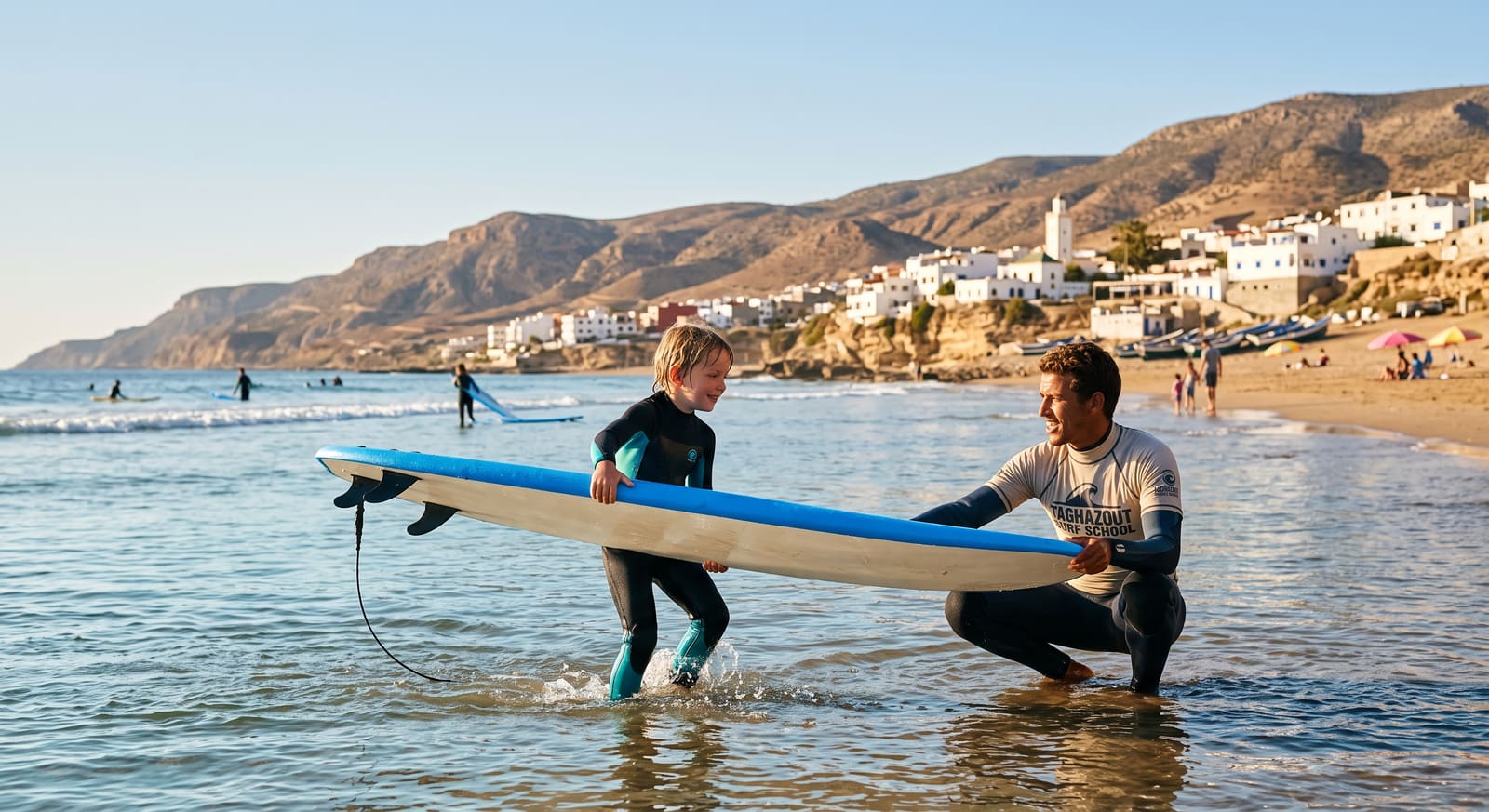
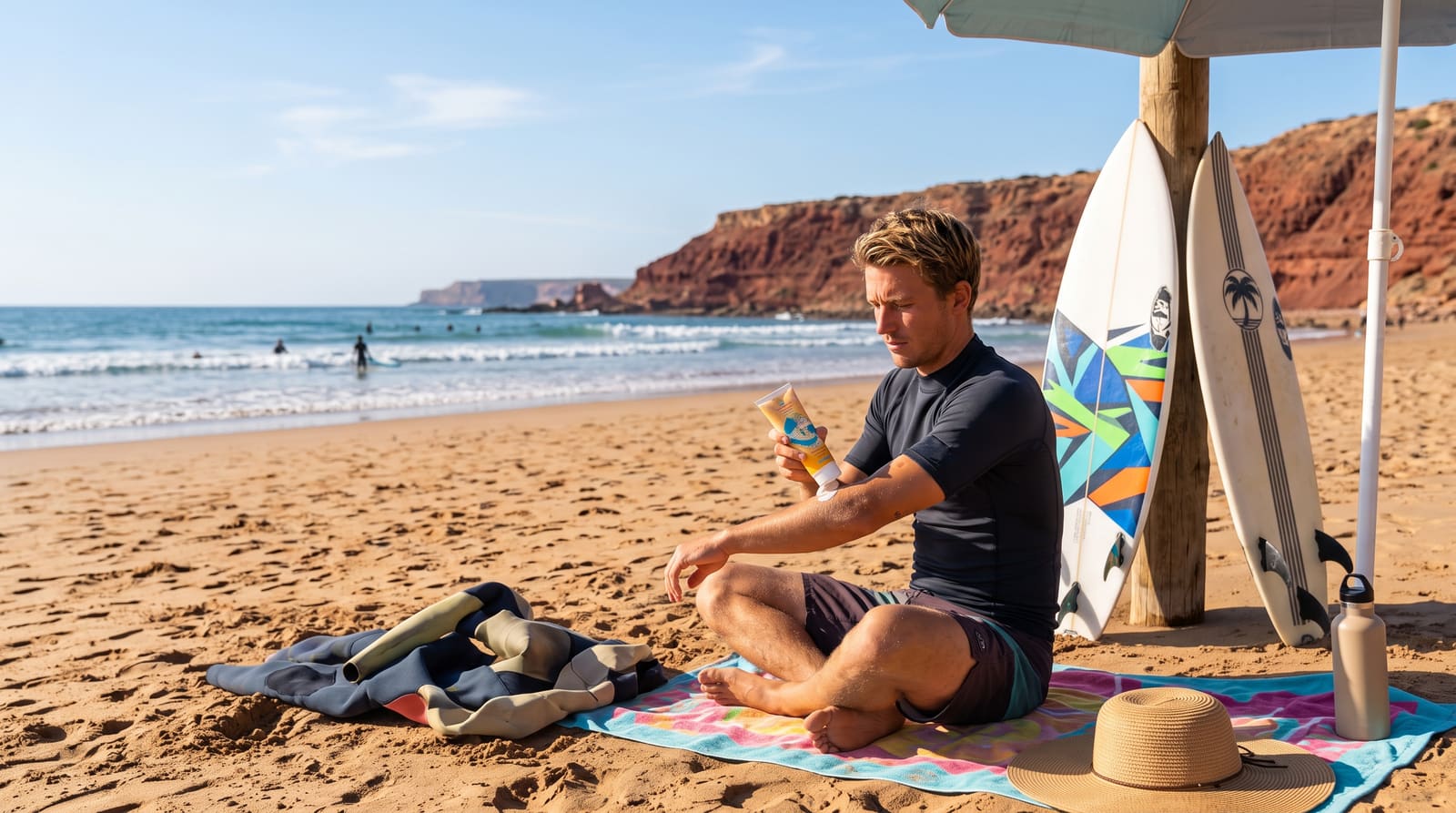
Young children are more susceptible to heatstroke and dehydration than adults, so a sunhat and high-factor sunscreen on exposed skin matter more here than they might elsewhere, along with keeping a close eye on direct sun exposure during car journeys. For formula preparation specifically, always use bottled water or water that’s been boiled and cooled — this applies even though adults can generally drink Agadir’s tap water without trouble, since babies are more sensitive to the mineral and bacterial differences. If swimming at the beach, a light T-shirt for the first few days helps ease a young child’s skin into the sun.
Transport Discounts Worth Knowing
A few small practical wins: on grand taxis and buses, children small enough to share a seat with a parent typically travel free, while older kids pay full fare. On trains, travel is free for under-fours and half-price for ages four to eleven — worth knowing if train travel is part of a wider Morocco itinerary beyond the Agadir area.
A Realistic Packing and Planning Checklist
Beyond the obvious (diapers, formula, a few days of familiar baby food), a few items consistently come up as genuinely useful: a portable travel changing mat, a small collapsible stroller for flat promenade walking, a baby carrier for anywhere less stroller-friendly, mosquito repellent (harder to find locally than expected), and a basic child medication kit (fever reducer, thermometer, bandaids) rather than assuming you’ll easily find familiar brands on arrival. At check-in, it’s worth asking directly whether a free baby cot or bed is available, since this is commonly included at no extra charge rather than something you need to arrange in advance.
Plan the practical details before the fun ones. Teefun’s app helps you build a trip that actually accounts for a baby or toddler’s needs, not a generic itinerary retrofitted at the last minute. Download Teefun free.
Conclusion
A trip to Morocco with a baby or toddler is genuinely manageable, and Agadir’s flat, resort-style setup makes it one of the easier bases in the country for this age group specifically. The real planning points are a car seat solution, a portable changing mat, and bottled or boiled water for formula — sort those three in advance, and the rest of the trip is far more about enjoying the beach and pool than solving logistics on the fly.