Teefun local team
Haggling in Moroccan Souks: The Short Answer
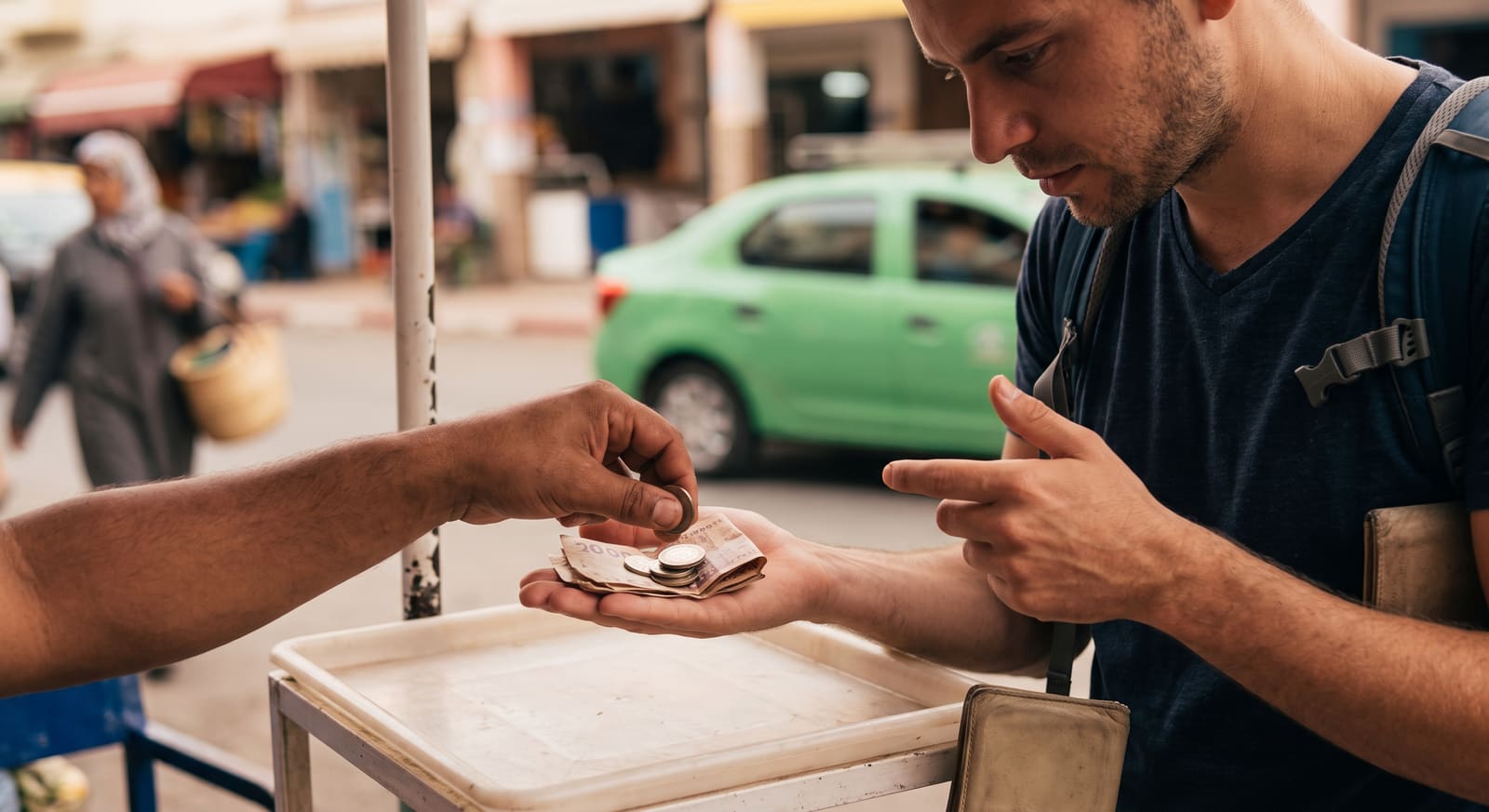
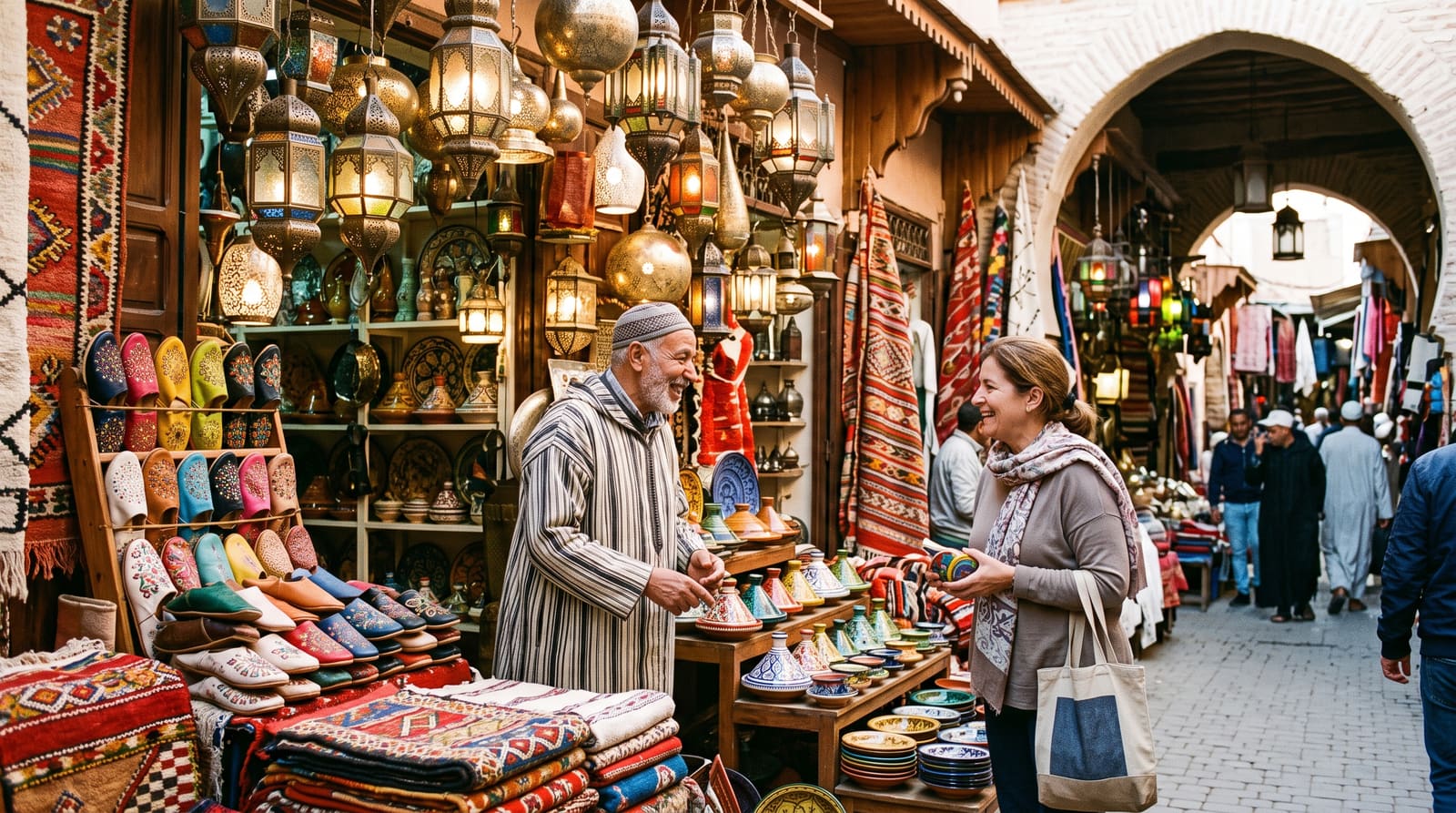
Haggling is a genuine, expected part of shopping in Moroccan souks, not an awkward exception. The practical starting point: counter the first price you’re quoted with roughly 40–50% of it, expect the final agreed price to land somewhere between 50–75% of that opening number, and treat the whole process as a normal, unhurried conversation rather than a confrontation.
Where Haggling Is Expected, and Where It Isn’t
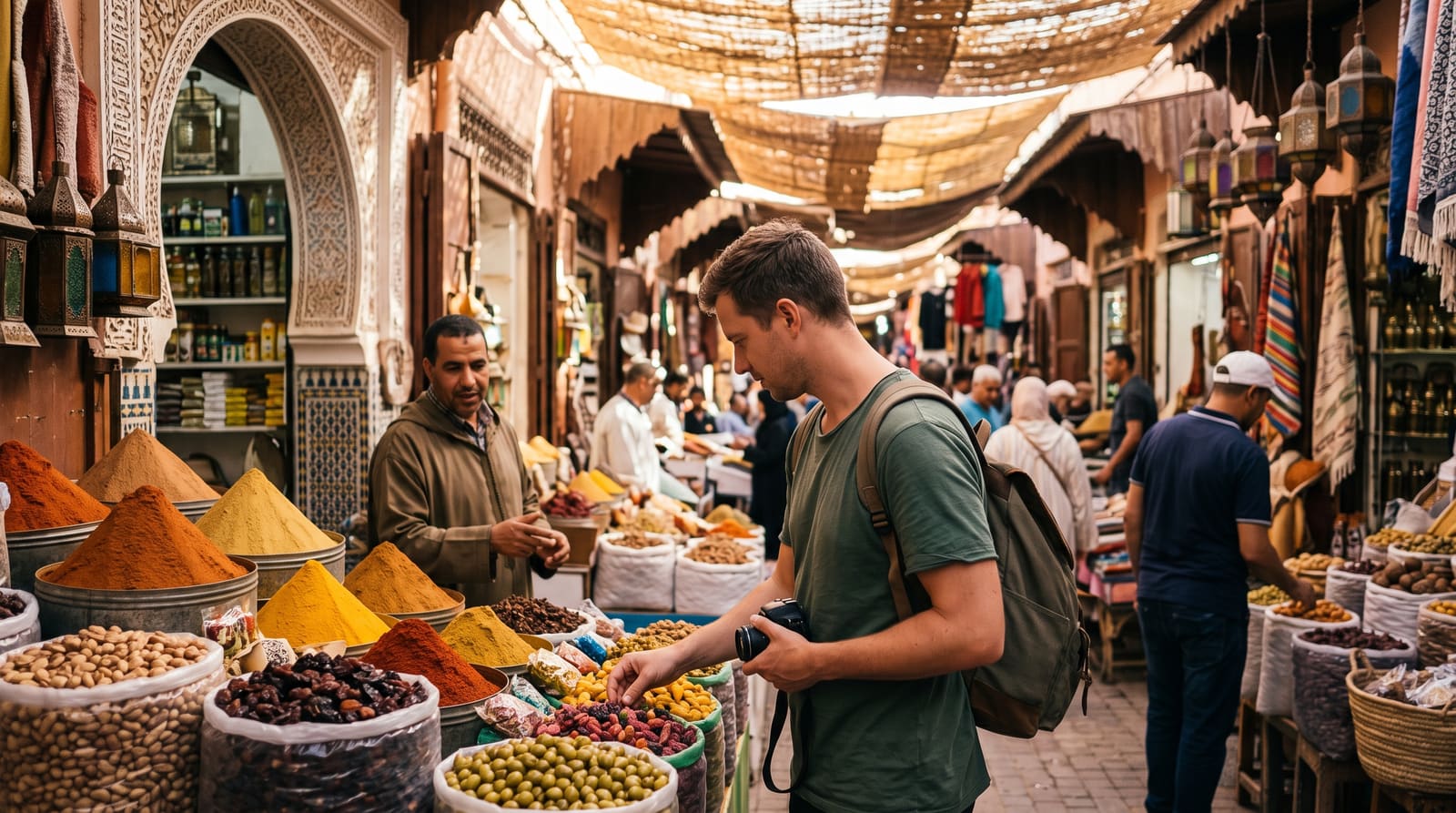
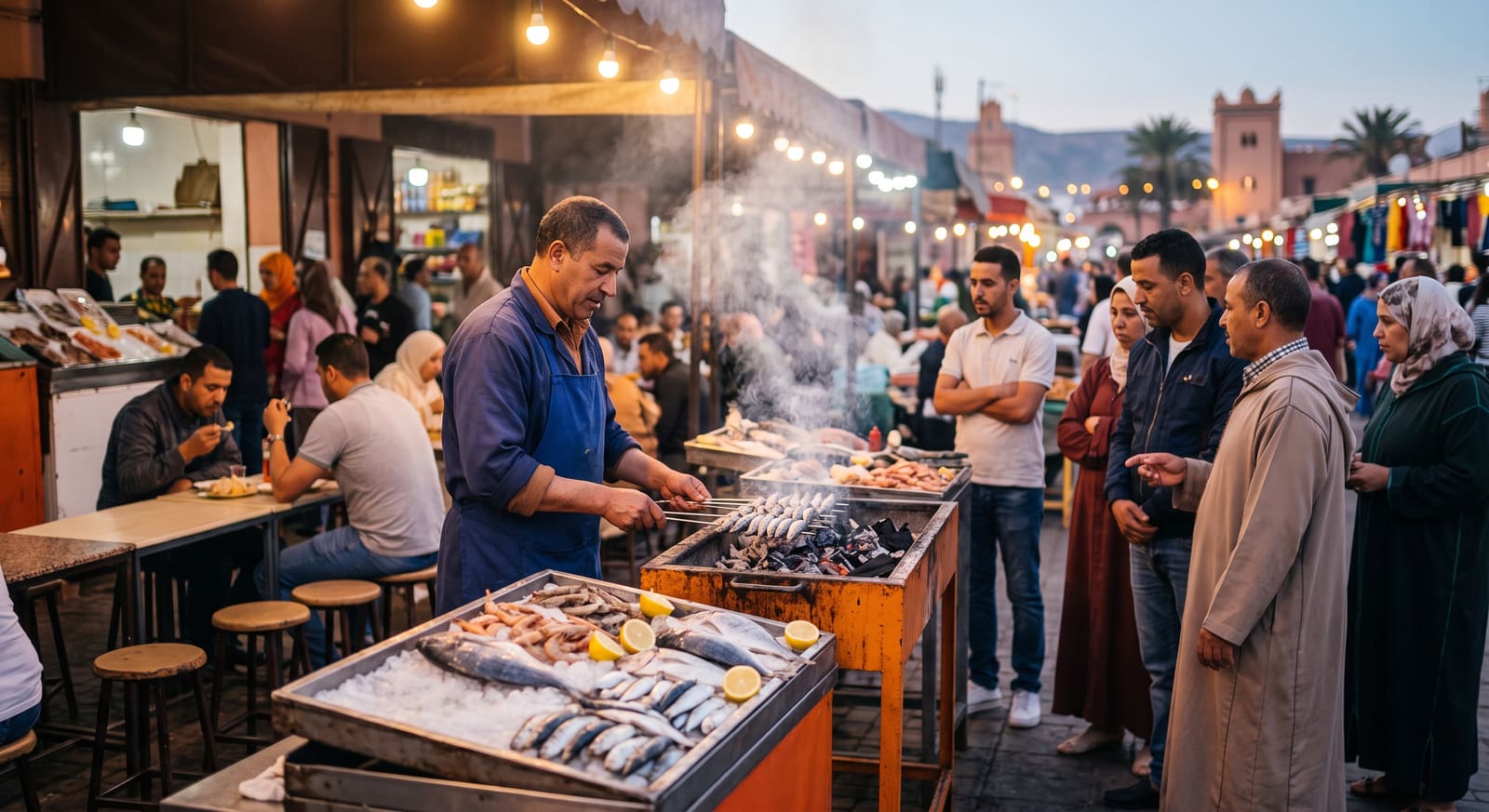
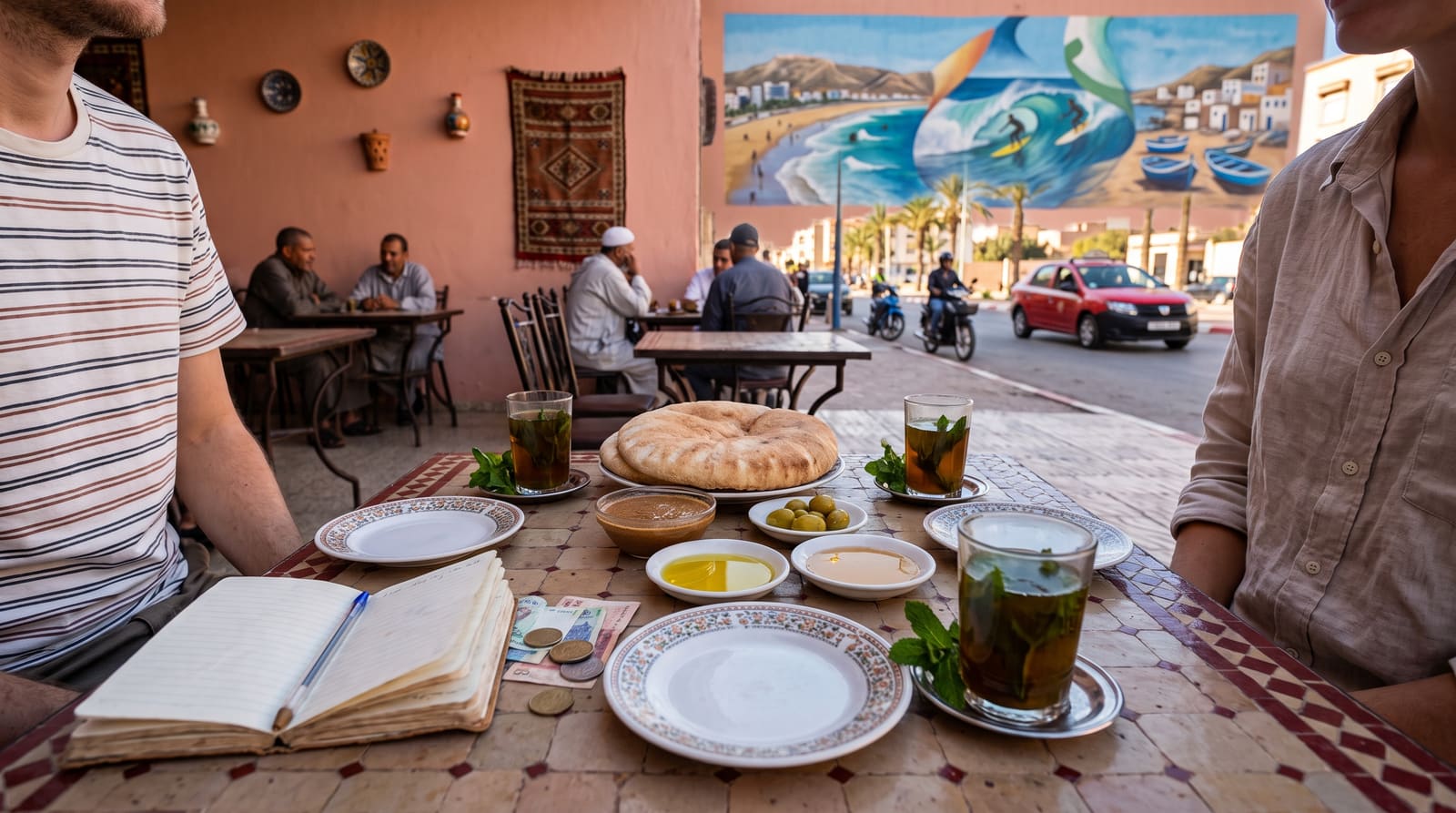
Souks, open-air markets, artisan workshops, and street vendors all expect negotiation — it’s built into how prices are quoted there in the first place. Supermarkets, malls, restaurants, cafes, and any shop with printed or displayed price tags are fixed-price, and attempting to haggle there isn’t appropriate or likely to work. Knowing this distinction upfront avoids the two common mistakes: haggling somewhere it isn’t welcome, or paying full asking price somewhere it clearly was expected.
The Actual Numbers: What to Offer
Sources vary slightly on the exact opening counter-offer, ranging from a quarter of the asking price on the more aggressive end to around half on the more moderate end, but the consistent core advice lands around 40–50% as a reasonable opening move. From there, expect a gradual back-and-forth in small increments, with a final agreed price commonly settling between 50–75% of the original quote. If you’re buying multiple items from the same vendor, it’s often possible to negotiate a better per-item rate across the whole purchase than item by item.
Tactics That Actually Work
A few approaches consistently make a real difference: staying friendly, patient, and unhurried rather than aggressive tends to get better results than an adversarial tone; showing too much visible enthusiasm for a specific item signals you’ll pay more, so a neutral, unhurried demeanor helps; comparing similar items at a couple of stalls before committing gives you a real sense of the going rate; and deciding your own walk-away maximum before you start negotiating keeps you anchored rather than getting swept along in the moment. Walking away itself is a genuinely effective, commonly used tactic — a polite thank-you and an actual exit often prompts a better offer rather than losing the sale entirely, and if it doesn’t, there’s usually a similar item at another stall nearby.
The One Thing Worth Knowing About Guides
If a guide, driver, or new acquaintance walks you specifically into a particular shop, it’s worth knowing that they typically earn a commission on anything you buy there, which can be reflected in a higher starting price than you’d encounter browsing independently. This isn’t necessarily a reason to avoid such recommendations entirely — sometimes they point to genuinely good shops — but it’s a reason to negotiate as normal rather than assuming a personal introduction means a better deal by default.
When a Low Price Should Make You Suspicious
Worth being honest about: not everything has unlimited room to negotiate. Genuinely handmade items using real, valuable materials — solid silver, naturally dyed wool, hand-knotted rugs — have a real cost floor tied to the materials and labor involved. A price dramatically below what those materials should cost is more often a sign of lower quality (synthetic dye, machine-made construction, base metal rather than silver) than a rare bargain. Inspecting quality closely matters as much as negotiating the number.
A Few Useful Phrases
A handful of Darija or Arabic phrases go a long way, both practically and as a sign of respect for local custom: “Bshhal?” or “Bikam?” (how much?), “Ghali bezaf” (too expensive), “Nqss shwiya” (lower it a little), and “Shukran” (thank you) once you’ve settled on a price. None of this requires fluency — a genuine attempt is usually well received and can shift how a negotiation goes.
Know the real price before you’re standing in the souk. Teefun’s app gives you honest, practical local knowledge, including how pricing actually works, so you’re not guessing in the moment. Download Teefun free.
Conclusion
Haggling in Moroccan souks follows a genuine, learnable pattern: counter at 40–50% of the first price, stay friendly and patient rather than aggressive, and don’t be afraid to walk away if the number isn’t right. Know where it’s expected (souks, artisan shops) versus where it isn’t (anywhere with a fixed price tag), and treat unusually cheap “handmade” goods with a healthy dose of skepticism about quality rather than excitement about the deal.
Frequently Asked Questions
What’s a good starting offer when haggling in a Moroccan souk?
Roughly 40–50% of the first price the seller quotes. Sellers generally expect a counter-offer and build negotiating room into their opening number accordingly.
Is haggling expected everywhere in Morocco?
No. Souks, artisan shops, and street vendors expect negotiation. Supermarkets, malls, restaurants, cafes, and anywhere with a printed or displayed price tag are fixed-price, and haggling isn’t appropriate there.
Does walking away actually work as a bargaining tactic?
Often, yes. It’s a genuine, commonly effective tactic rather than just a bluff, and many vendors will call you back with a better offer rather than let you leave.
Should I be suspicious of a very low price?
For genuinely handmade items using quality materials like silver or naturally dyed textiles, yes. A price far below what the materials and craftsmanship should cost is more often a sign of lower quality than a great deal.
Are there fixed-price alternatives for people who don’t want to haggle?
Yes. Government-run stores like Ensemble Artisanal and other prix-fixe shops sell similar goods at set prices, typically a bit higher than a well-negotiated souk price, but without any negotiation required.