Teefun local team
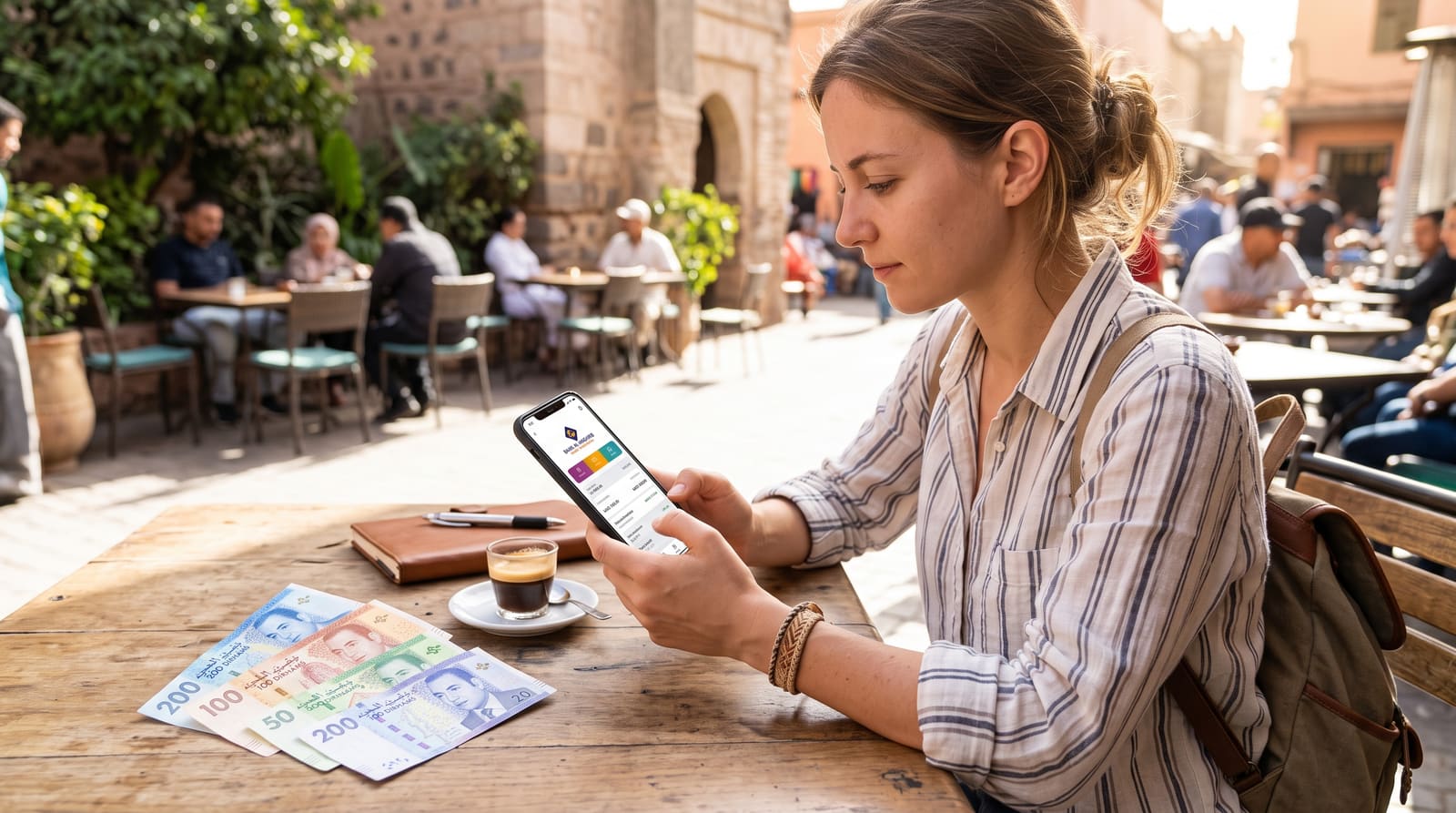
Cards and Money Apps for Morocco: The Short Answer
A dedicated travel card — Wise or Revolut being the two most commonly used — generally beats a standard bank card for a Morocco trip, since traditional cards typically add 1.5–3% in foreign transaction fees on top of whatever Morocco’s own ATMs already charge. Neither app removes Morocco’s local ATM fee itself, though; they reduce the markup and exchange rate cost on your end, which is a different, separate saving.
Traditional Bank Cards: The Default, and Its Real Cost
Most people’s default is simply using their existing debit or credit card, and it works, but it’s the more expensive default. Foreign transaction fees of 1.5–3% are standard on most traditional bank cards, and if you’re not careful about declining Dynamic Currency Conversion at the ATM screen, you can lose further value on top of that through a worse exchange rate. None of this makes a trip unworkable — it’s simply a cost that a dedicated travel card avoids.
Wise vs Revolut: How They Actually Differ
These are the two most commonly compared travel money tools, and while they’re often discussed as interchangeable, they work on genuinely different models. Wise uses the real mid-market exchange rate — the same one you’d see on a currency conversion search — with a transparent, flat percentage fee added on top, and no monthly plan tiers to navigate. Revolut instead offers a free monthly currency exchange allowance at a good rate, after which either a fee or a rate markup applies depending on your plan, with paid tiers unlocking higher free ATM withdrawal limits and other features. For a single Morocco trip within typical spending levels, either works well; frequent travelers often end up using both for different purposes rather than picking one exclusively.
What These Apps Don’t Fix: Morocco’s Own ATM Fee
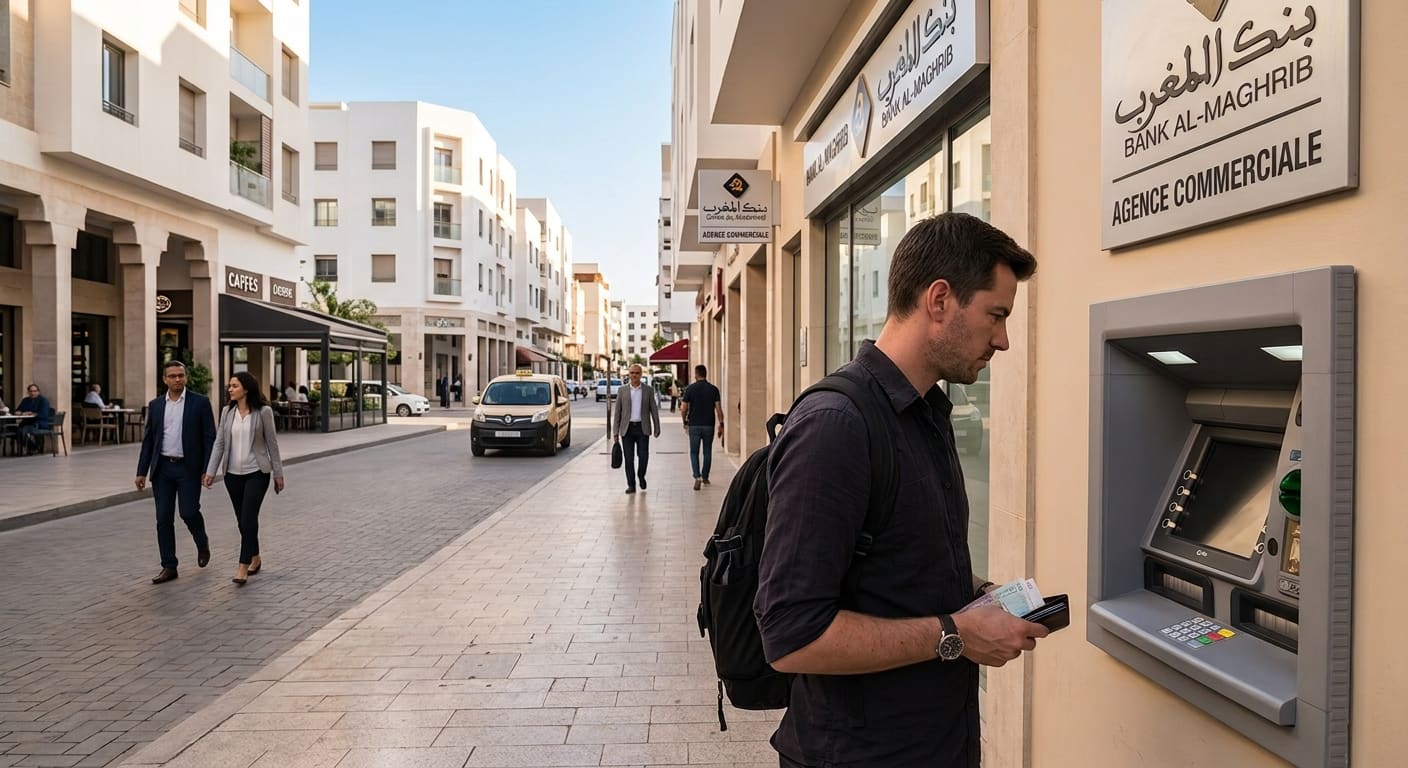
Worth being clear about this distinction: Wise and Revolut reduce the fees and exchange rate markup your own bank or provider would otherwise charge. They don’t touch Morocco’s own ATM fee, which is charged locally to any foreign card regardless of provider — currently a flat rate per withdrawal, covered in detail in our currency and ATM guide. Using a good travel card and still paying Morocco’s local ATM fee are two separate, unrelated costs, both worth accounting for.
If You’re Sending Money Directly to Someone in Morocco
This is a different scenario from simply spending as a tourist, and worth flagging separately: if you need to send money directly to a Moroccan bank account — a deposit to a private guide, payment to a host — Morocco’s exchange-control rules mean the transfer has to route through a Moroccan partner bank, which can add real cost even on services normally known for low fees. It’s worth checking the specific fee for a Morocco-bound transfer before assuming a generally cheap provider will be cheap for this particular corridor too.
A Simple Setup That Covers Most Trips
Activate and test your chosen card before you fly, not after landing — a quick test transaction at home confirms it’s working and avoids troubleshooting a card issue in an unfamiliar country. Carry a genuine backup: a second card on a different provider, or some emergency cash, covers you if a card gets lost, blocked, or an app has an issue mid-trip, none of which are quick to resolve from abroad.
Sort your money setup before you land, not at the first ATM. Teefun’s app covers the practical groundwork for your trip, including which money tools actually make sense for Morocco specifically. Download Teefun free.
Conclusion
A dedicated travel card like Wise or Revolut is worth setting up before a Morocco trip, generally beating a standard bank card on fees and exchange rate. Just don’t expect either to eliminate Morocco’s own local ATM fee — that’s a separate, unavoidable cost covered in our currency guide. If you need to send money directly to someone in Morocco rather than just spend as a tourist, check the specific fee for that corridor rather than assuming a normally cheap provider stays cheap there too.
Frequently Asked Questions
Should I use my regular bank card or a travel card like Wise or Revolut in Morocco?
A dedicated travel card generally works out cheaper. Traditional bank cards commonly add 1.5–3% in foreign transaction fees on top of Morocco’s own ATM charges, while Wise and Revolut get much closer to the real exchange rate.
What’s the actual difference between Wise and Revolut for a Morocco trip?
Wise uses the transparent mid-market exchange rate with a flat percentage fee on every transaction. Revolut gives a free monthly currency exchange allowance at a good rate, after which fees or a markup apply, and its paid tiers offer higher free ATM withdrawal limits.
Do Wise or Revolut remove Morocco’s ATM withdrawal fee?
No. Every ATM in Morocco charges a flat fee (around 35 MAD) to foreign cards regardless of which card or app you’re using. These apps reduce your own bank’s markup and exchange rate cost, not Morocco’s local ATM fee.
Is it expensive to send money directly to someone in Morocco?
It can be more expensive than these apps’ general reputation suggests. Morocco’s exchange-control rules mean transfers have to route through a Moroccan partner bank, which adds cost even on normally low-fee services — worth checking the specific fee before assuming it will be cheap.
Should I bring a backup card or cash to Morocco?
Yes. Carrying a second card, or some emergency cash, protects you against a lost card, a blocked account, or an app issue mid-trip, none of which are convenient to resolve from abroad.