Teefun local team
Argan Oil and Souvenir Shopping: The Short Answer
Argan oil is worth treating differently from most Morocco souvenirs, because it’s genuinely regional rather than a generic craft found everywhere in the country: the argan tree grows in exactly one biosphere on Earth, stretching between Essaouira, Agadir, and the Souss-Massa plain — meaning you’re shopping in the actual source region, not somewhere it was shipped to for tourist convenience. Fair prices at source run roughly 100–150 MAD per 100ml; anything dramatically cheaper is diluted or fake.
Why Argan Oil Is Genuinely Regional, Not a Generic Souvenir
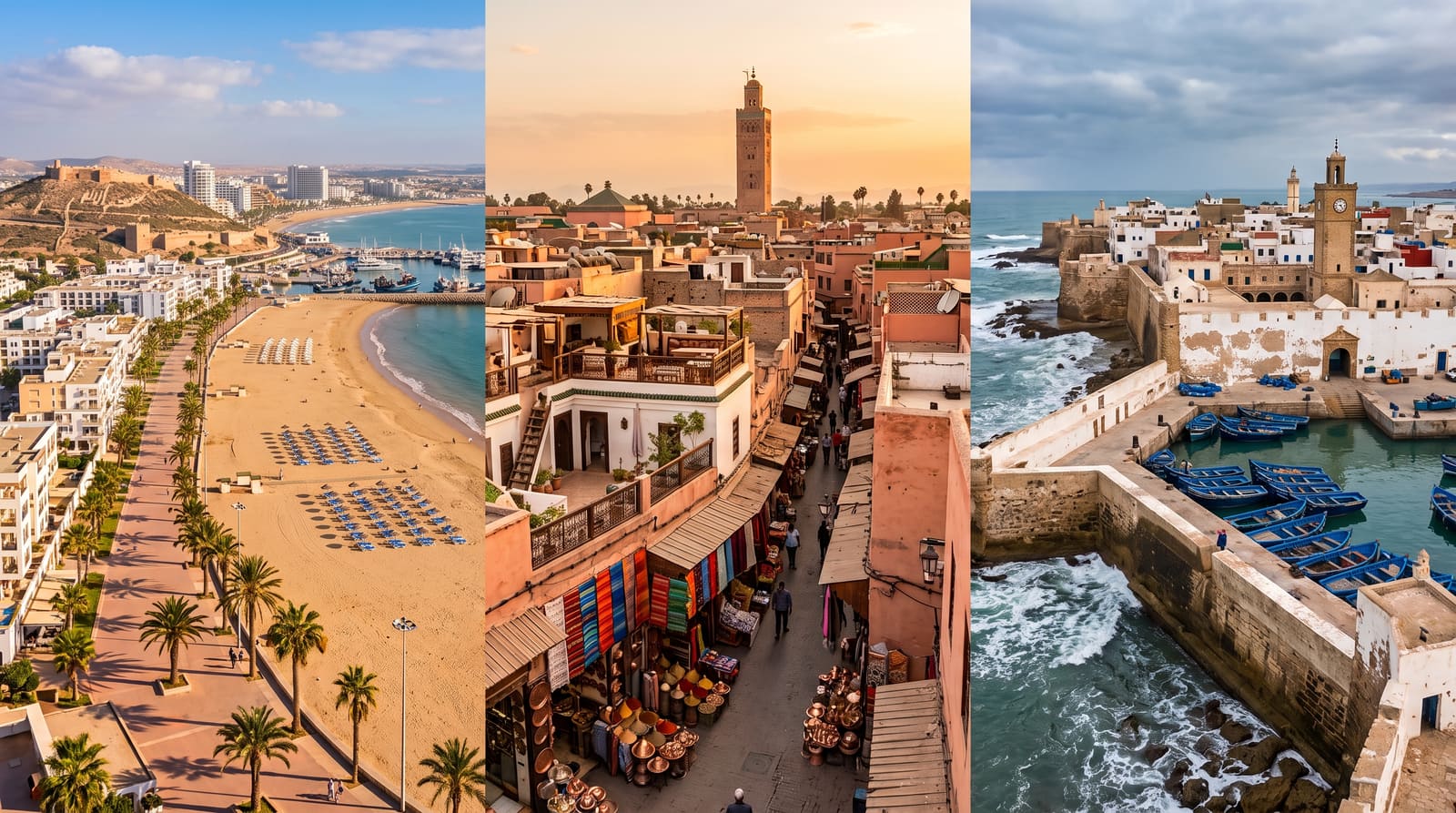
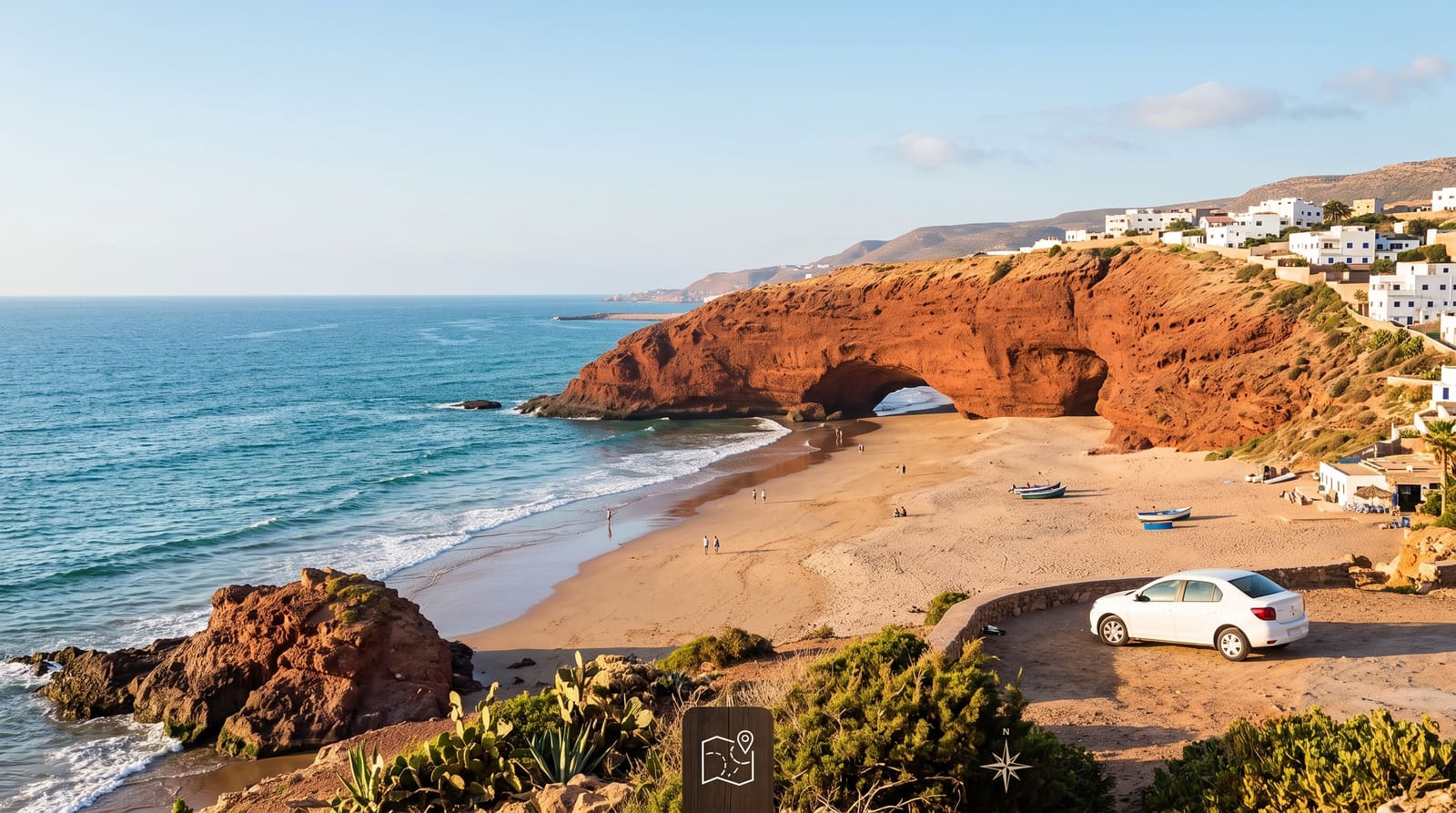
This is worth understanding before anything else: the argan tree (Argania spinosa) grows naturally in only one place in the world, a roughly 800,000-hectare biosphere declared a UNESCO reserve in 1998, covering the area between Essaouira, Agadir, and the Souss-Massa plain. Anything labeled “argan oil” that doesn’t originate from this region is either an imitation or a heavily diluted product, regardless of what the packaging claims. Being based in Agadir for a trip means you’re shopping in the one place on Earth this product genuinely comes from, which is a real point of difference from most souvenir shopping.
Culinary vs Cosmetic: Know Which You’re Buying
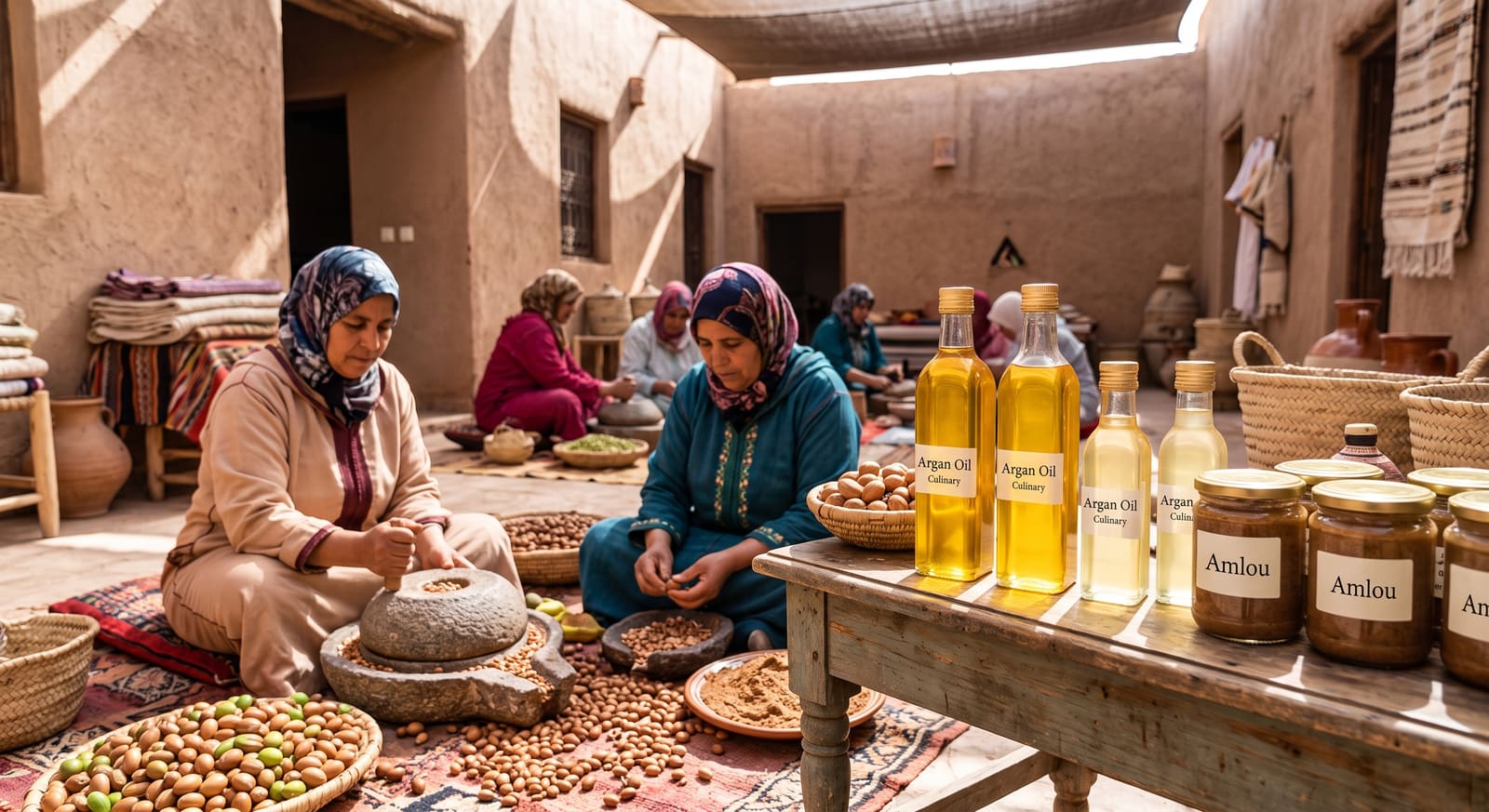
Argan oil comes in two distinct grades, and confusing them is one of the most common reasons travelers end up with the wrong product. Culinary argan oil is made from roasted kernels, has a deep amber color, a strong, distinct nutty smell, and visible sediment at the bottom of the bottle — it’s used for cooking and dipping bread, not skincare. Cosmetic argan oil is made from raw, unroasted kernels, is pale golden, has a milder scent, and is completely clear — this is the “liquid gold” version used for skin and hair. Neither is fake for looking different from the other; they’re simply different products for different uses.
What Fair Prices Actually Look Like
At certified cooperatives, fair prices generally run 100–150 MAD per 100ml for both grades, sometimes stated instead as roughly 300 MAD or more for a full liter when buying in bulk. This reflects the genuine labor involved — hand-cracking enough argan kernels for a single liter of oil takes several hours of work. A bottle offered on the street or in a souk stall for 40–50 MAD is a clear red flag; producing real argan oil simply doesn’t allow for a price that low.
How to Spot Fake or Diluted Oil
A few checks catch most fakes reliably. Smell it: real argan oil has a distinct, mild-to-strong nutty scent depending on grade; fake oil often smells like perfume, or nothing at all. Check how it absorbs: real oil sinks into skin quickly, leaving a silky rather than greasy or sticky finish. Check the label: genuine argan oil should list “Argania Spinosa Kernel Oil” as the only ingredient — anything else listed alongside it signals dilution. And treat an unusually low price as the clearest single warning sign of all; it’s the one red flag that’s almost never wrong.
Where to Buy It: Cooperatives vs Souk Stalls
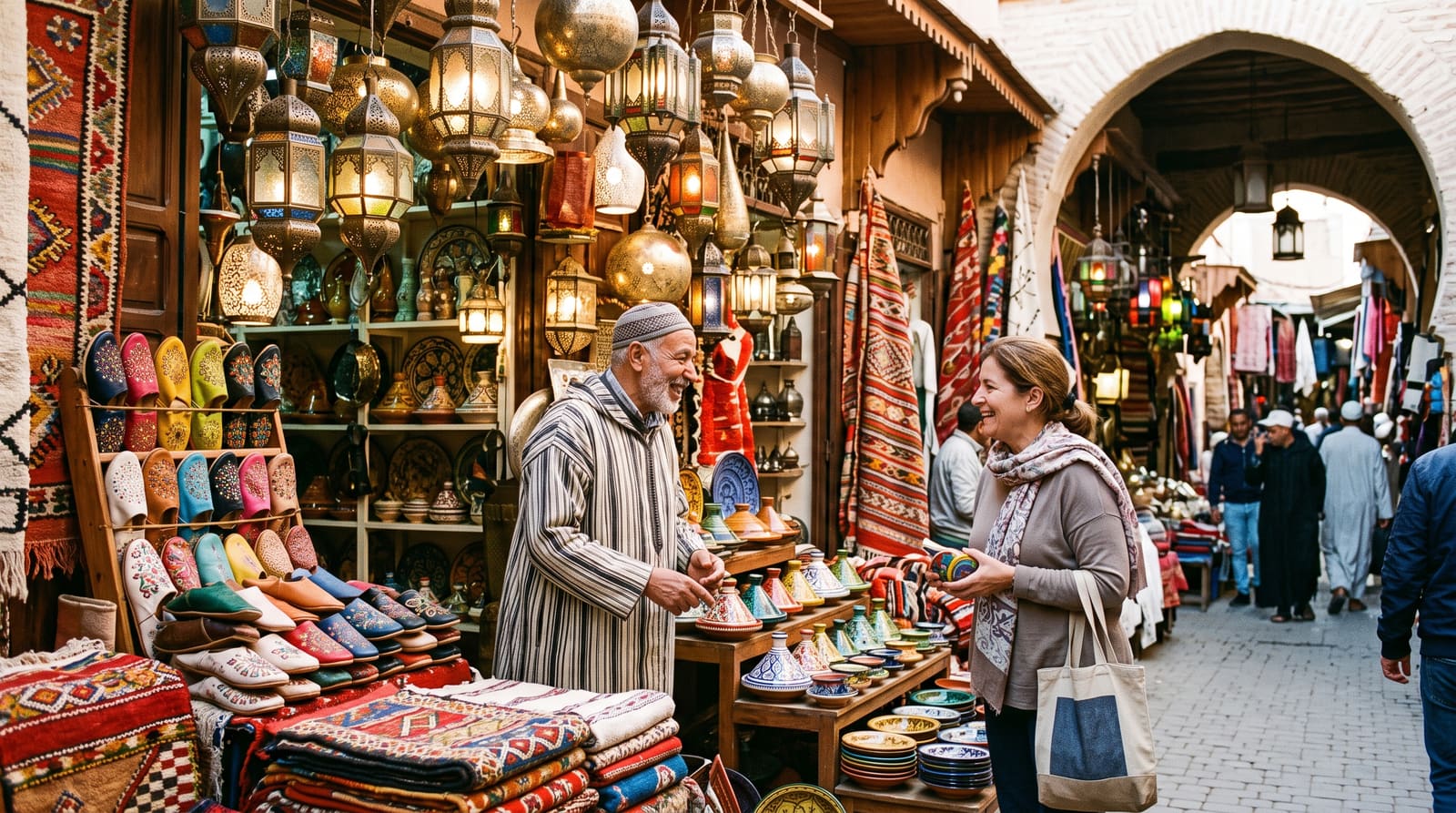
Certified women’s cooperatives are the more reliable and more ethical choice on every measure that matters. There are now over 100 cooperatives across the argan region employing around 2,500 women, and buying directly from one means producers receive roughly 60–70% of the sale price, compared to under 10% when the same oil passes through souk middlemen before reaching a stall. Cooperatives along the Essaouira-Agadir corridor and in the Anti-Atlas south of Taroudant are generally considered the most reliable, often offering a free demonstration of the hand-extraction process with no obligation to buy afterward. One useful thing to know: genuine cooperatives typically use fixed pricing rather than negotiation, a different norm from the general souk haggling covered in our guide to bargaining in Moroccan souks.
Beyond Argan Oil: Other Common Souvenirs
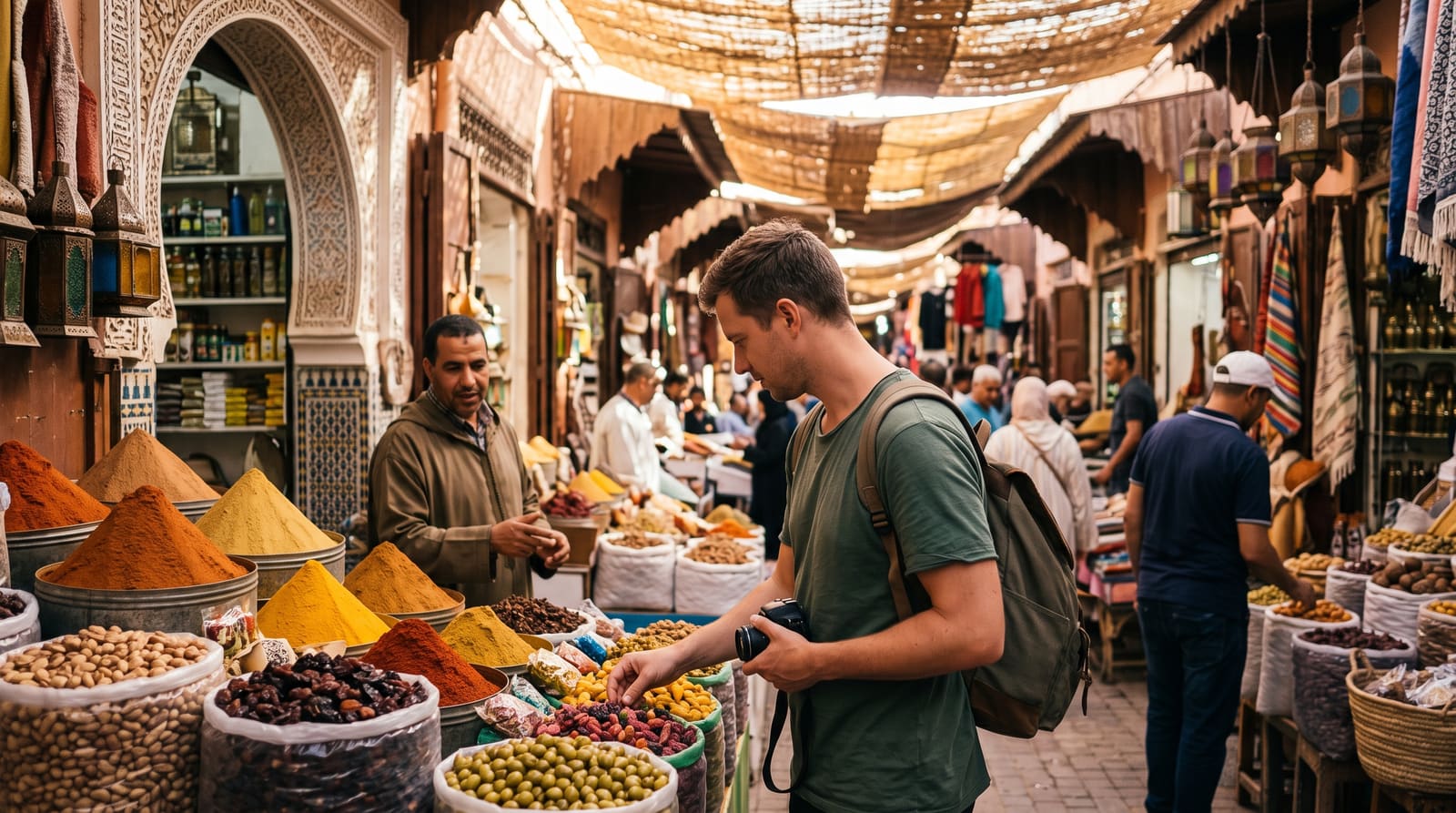
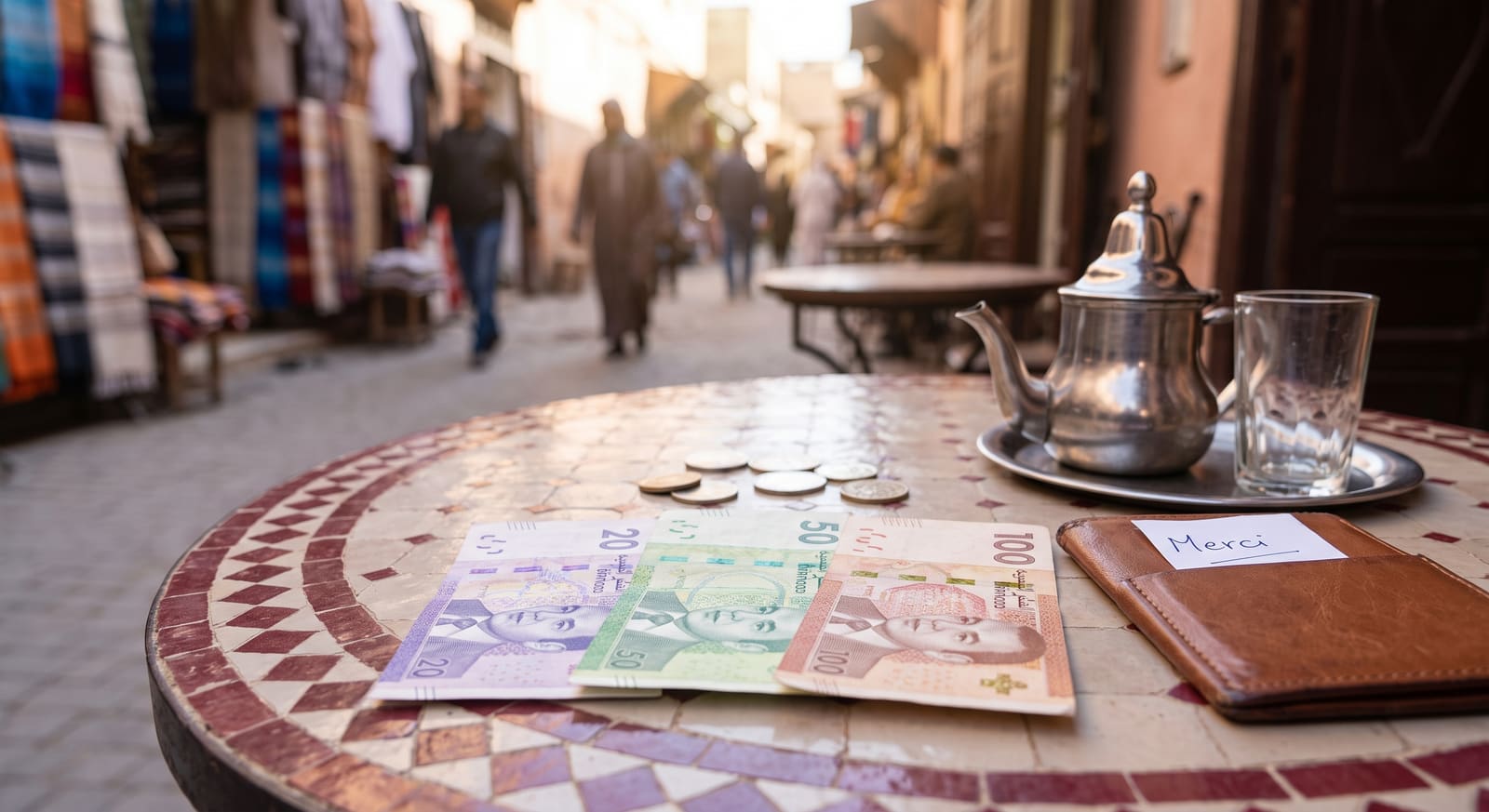
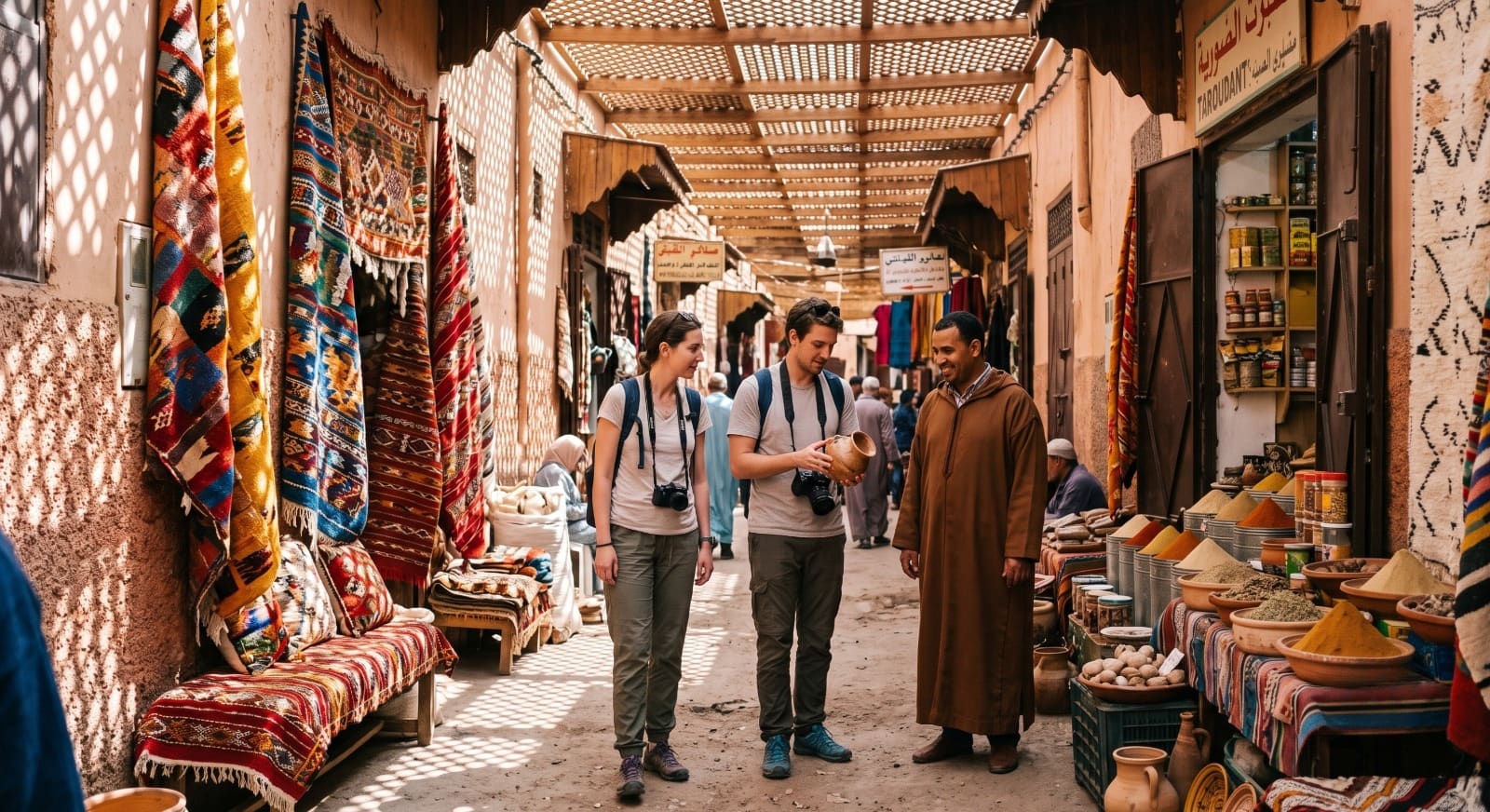
Argan oil aside, the same general shopping logic from our haggling guide applies to Morocco’s other common souvenirs — leather goods, ceramics, spices, and textiles — where prices are genuinely negotiable and starting offers of 40–50% of the initial quote are standard practice. The key difference with argan oil specifically is that it isn’t really a haggling situation at a real cooperative; it’s an authenticity situation, where the fair price is roughly fixed and the real risk is dilution rather than overpayment.
Know what’s genuinely worth buying before you’re standing at the stall. Teefun’s app gives you honest, practical local knowledge, including which souvenirs are genuinely regional and what a fair price actually looks like. Download Teefun free.
Conclusion
Argan oil is one of the few souvenirs in Morocco that’s genuinely tied to the specific region an Agadir-based trip puts you in, and it’s worth treating it differently from general souk shopping as a result: buy from a certified cooperative if you can, expect a fixed rather than negotiated price, and treat 100–150 MAD per 100ml as the honest floor for the real thing. Anywhere selling it dramatically cheaper is selling something else.