Teefun local team
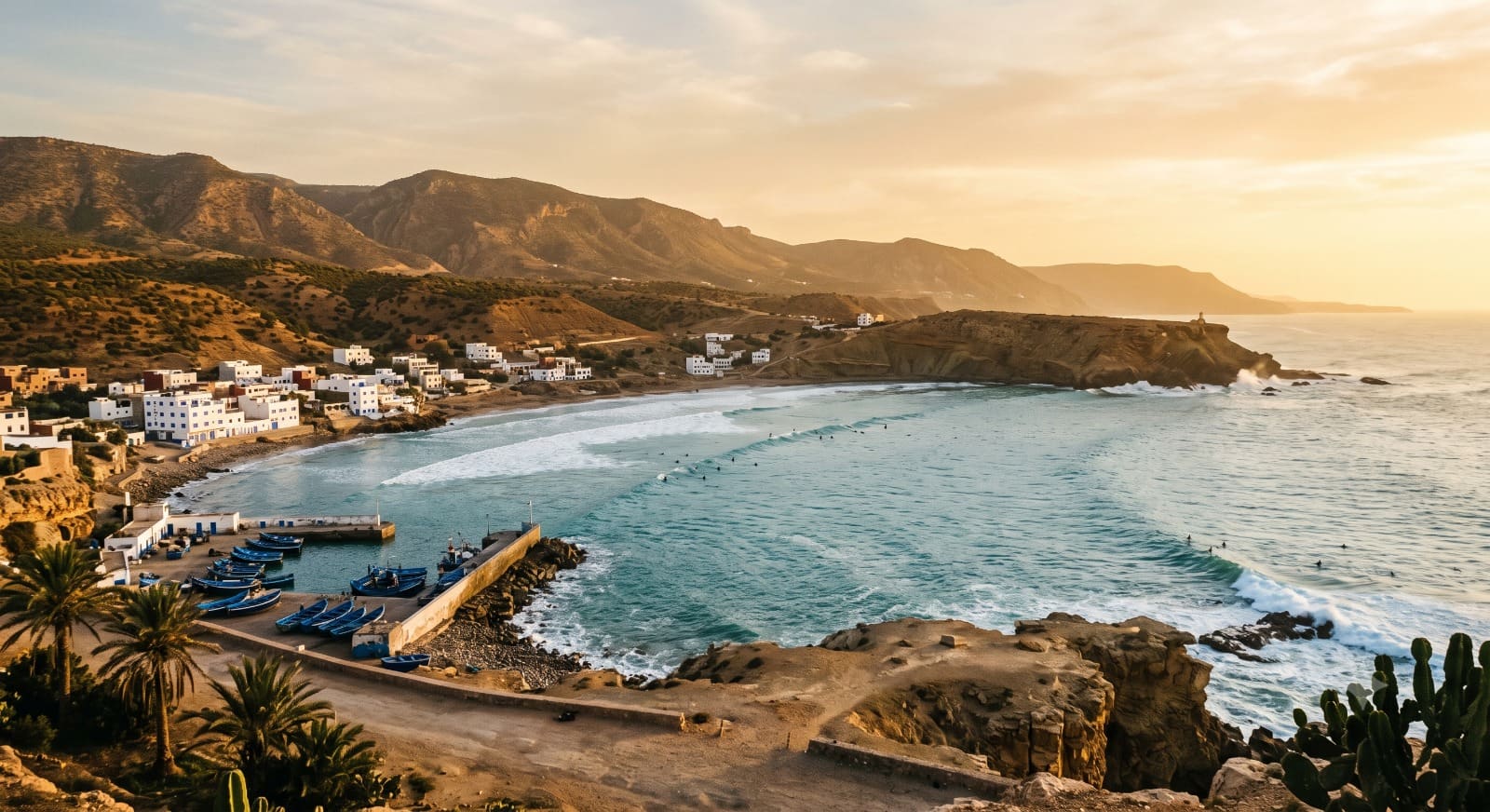
Imsouane surf guide, in one sentence: it’s home to The Bay, a right-hand point break that peels for 400 to 700 meters on a good day — long enough that surfers who’ve ridden it once still bring it up years later. This guide covers the wave itself, the best season for your skill level, how to get there from Agadir, where to stay, and what’s actually true (and what isn’t) about the 2024 headlines that made some travelers nervous about booking.
Quick Facts Before You Book
| Main wave | The Bay — 400-700m righthand point break, sandy bottom, beginner to advanced |
|---|---|
| Second wave | Cathedral Point (La Cathédrale) — faster reef/point break, intermediate-advanced |
| Best season | Nov-Mar for power and consistency, Jun-Aug for first-timers |
| Distance from Agadir | 60-70 km, roughly 1.5-2 hours by road |
| Nearest airport | Agadir Al Massira Airport (AGA) |
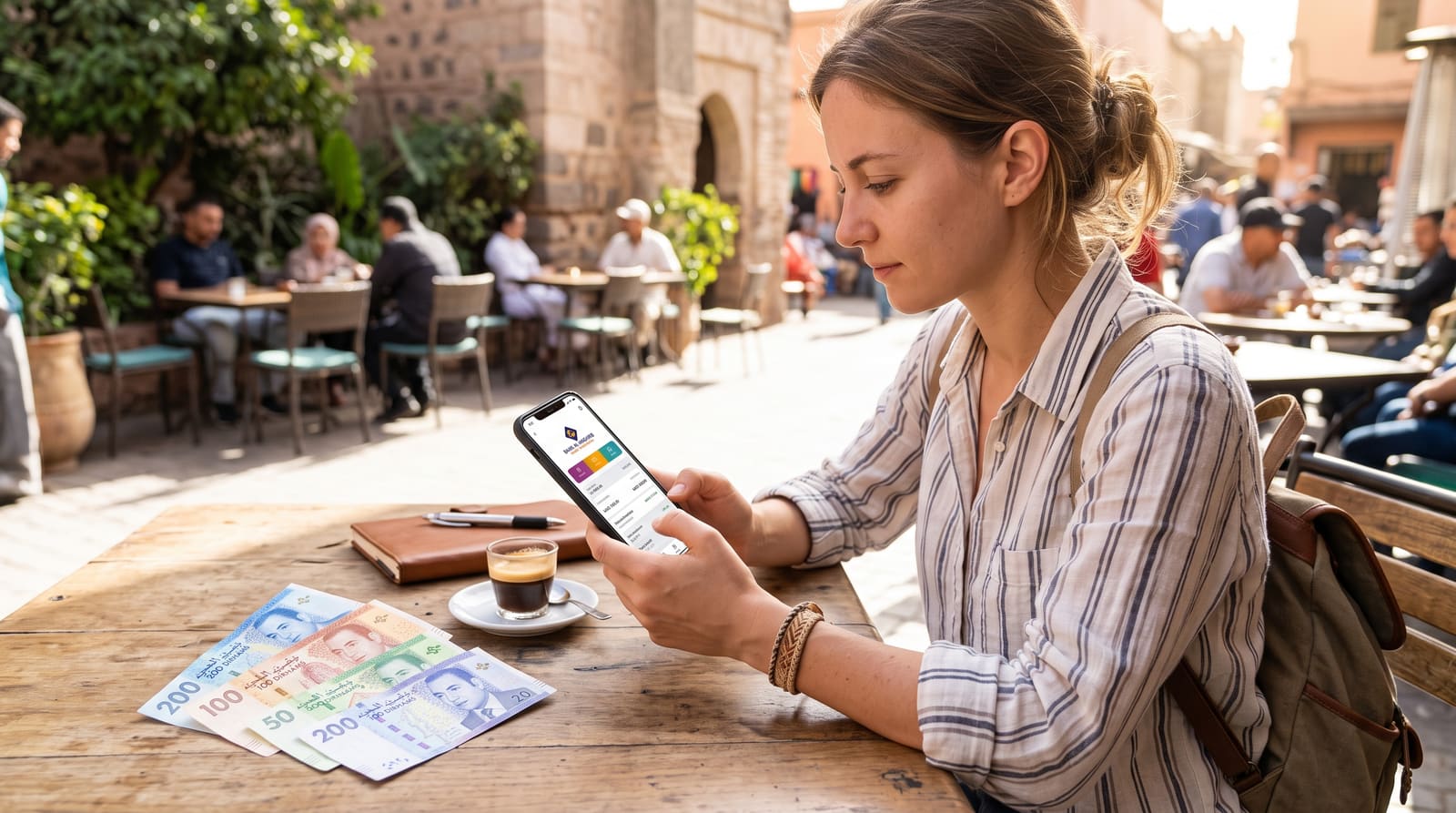
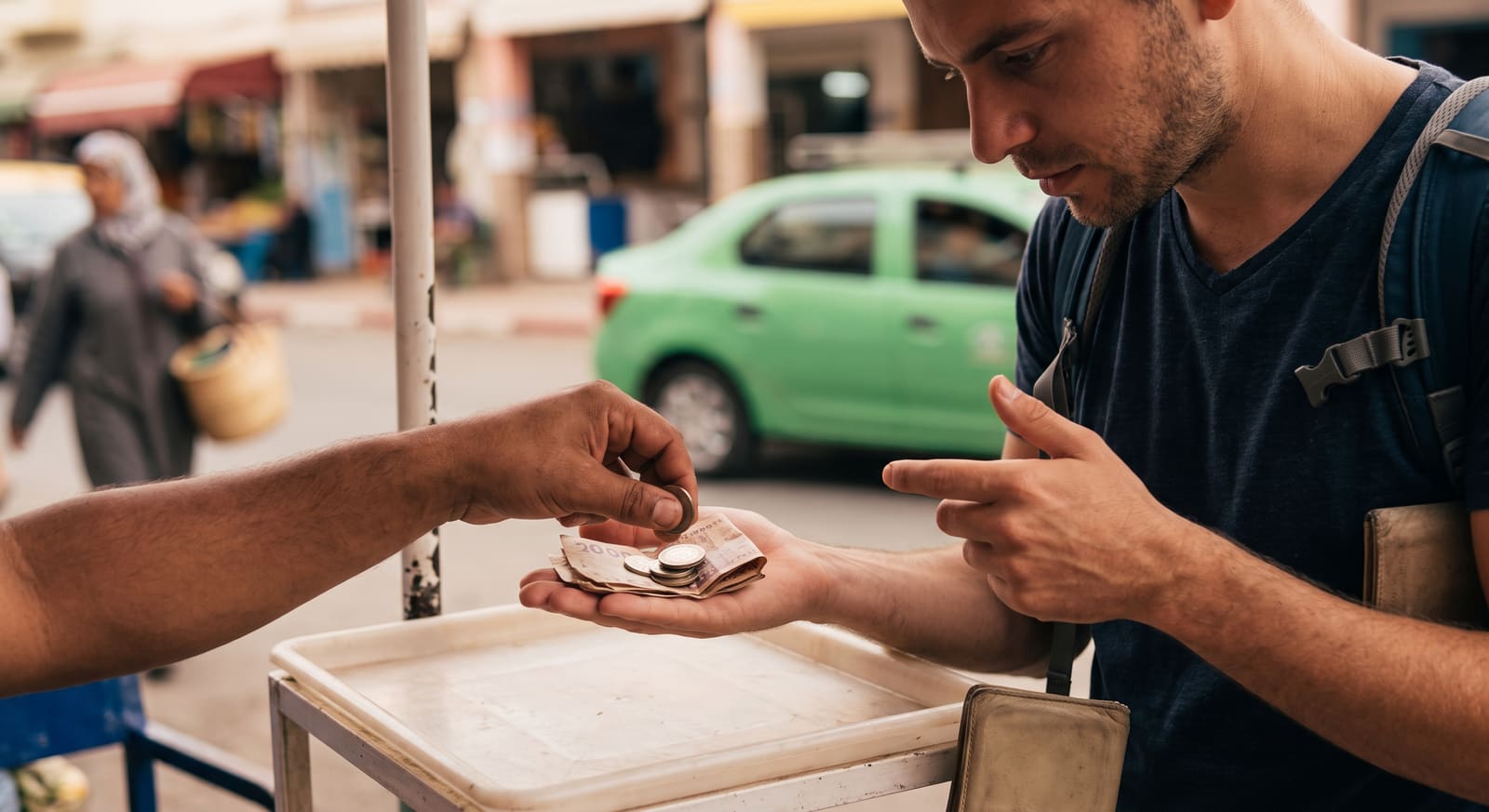
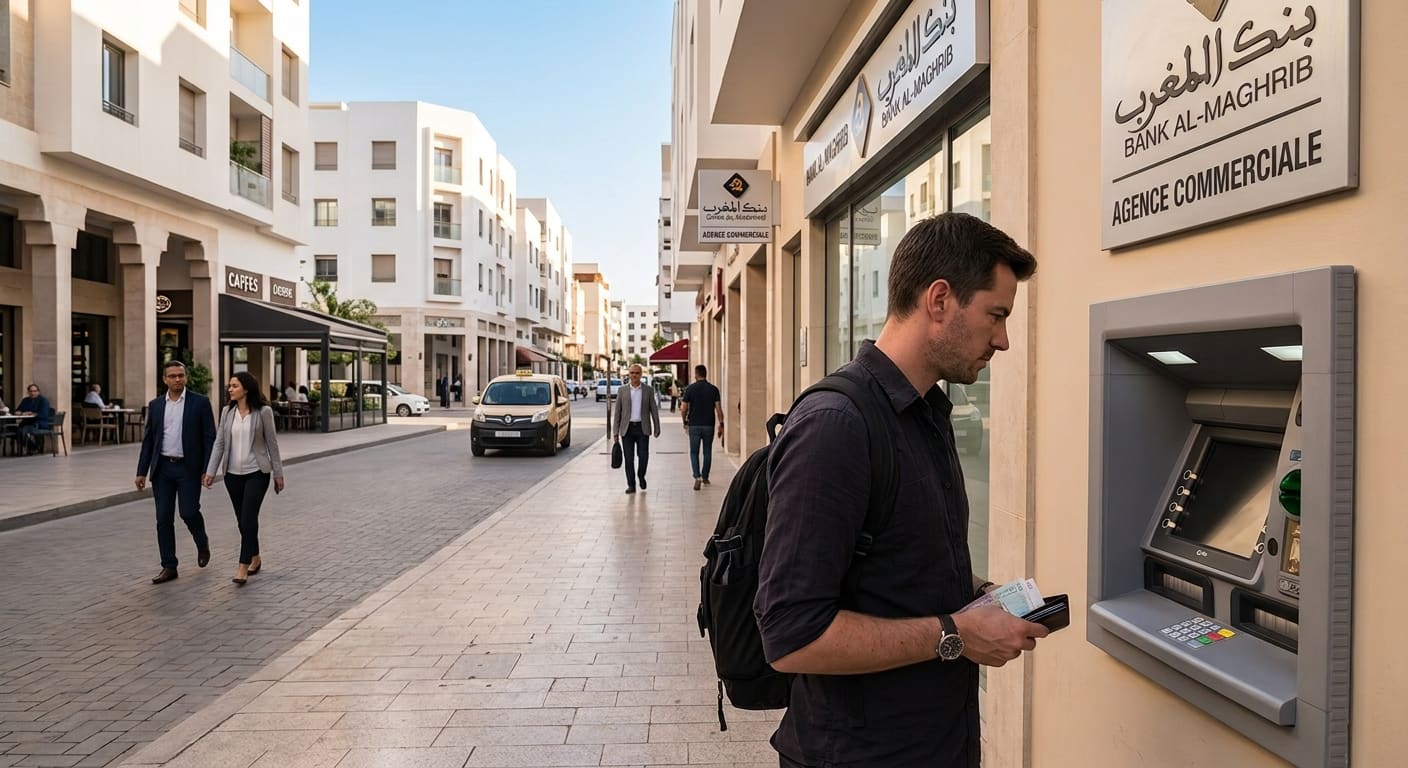
| Cash | No reliable ATM in the village — bring dirhams for your full stay |
Where Is Imsouane, and How Do You Get There?
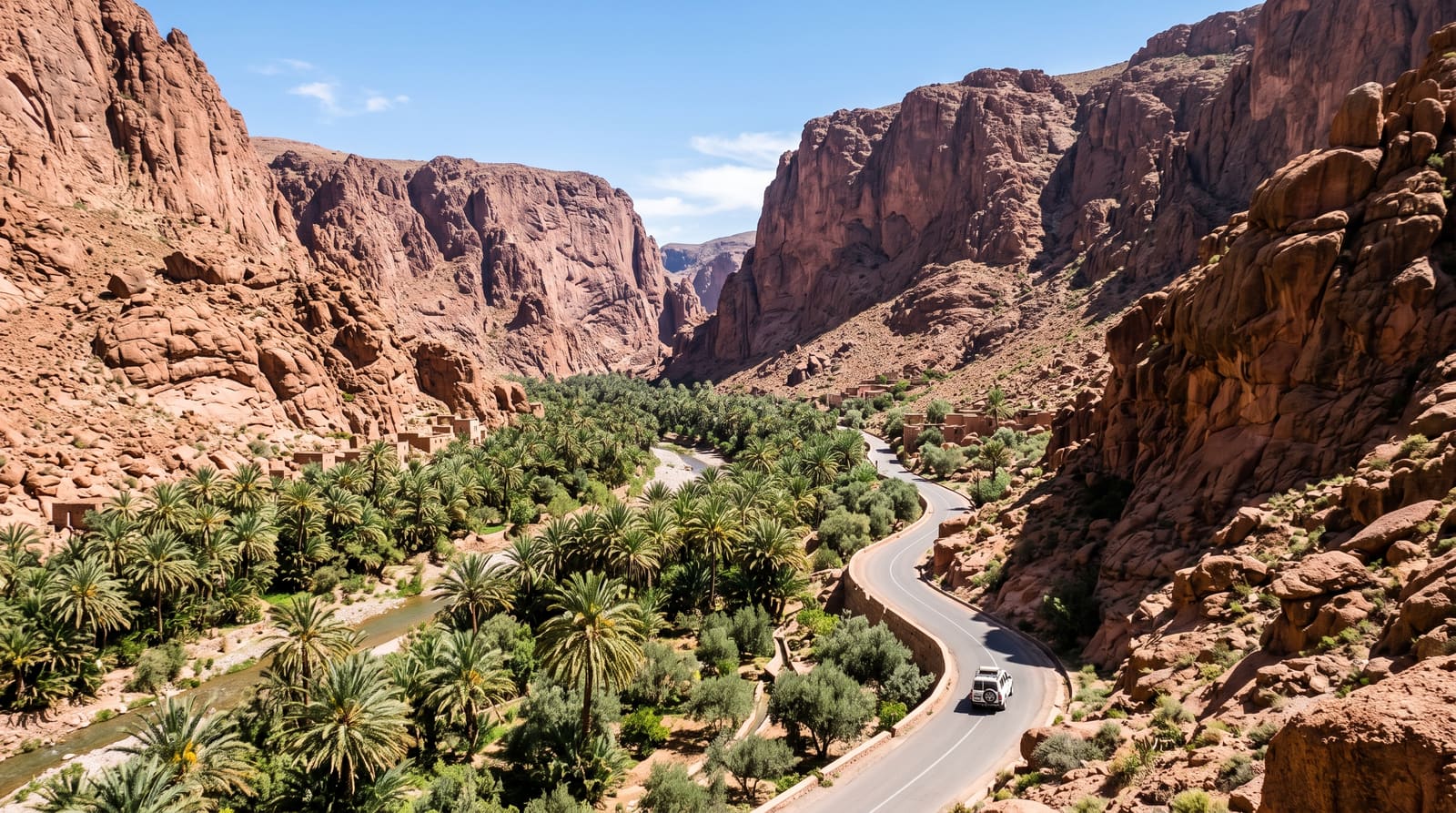
Imsouane sits on Morocco’s Atlantic coast in the Souss-Massa region, almost exactly halfway between Agadir and Essaouira. There’s no airport or train station in the village itself, so wherever you’re arriving from, Agadir Al Massira Airport is your practical gateway in — one more reason this coastline has stayed quieter than better-connected surf towns further south.
From Agadir
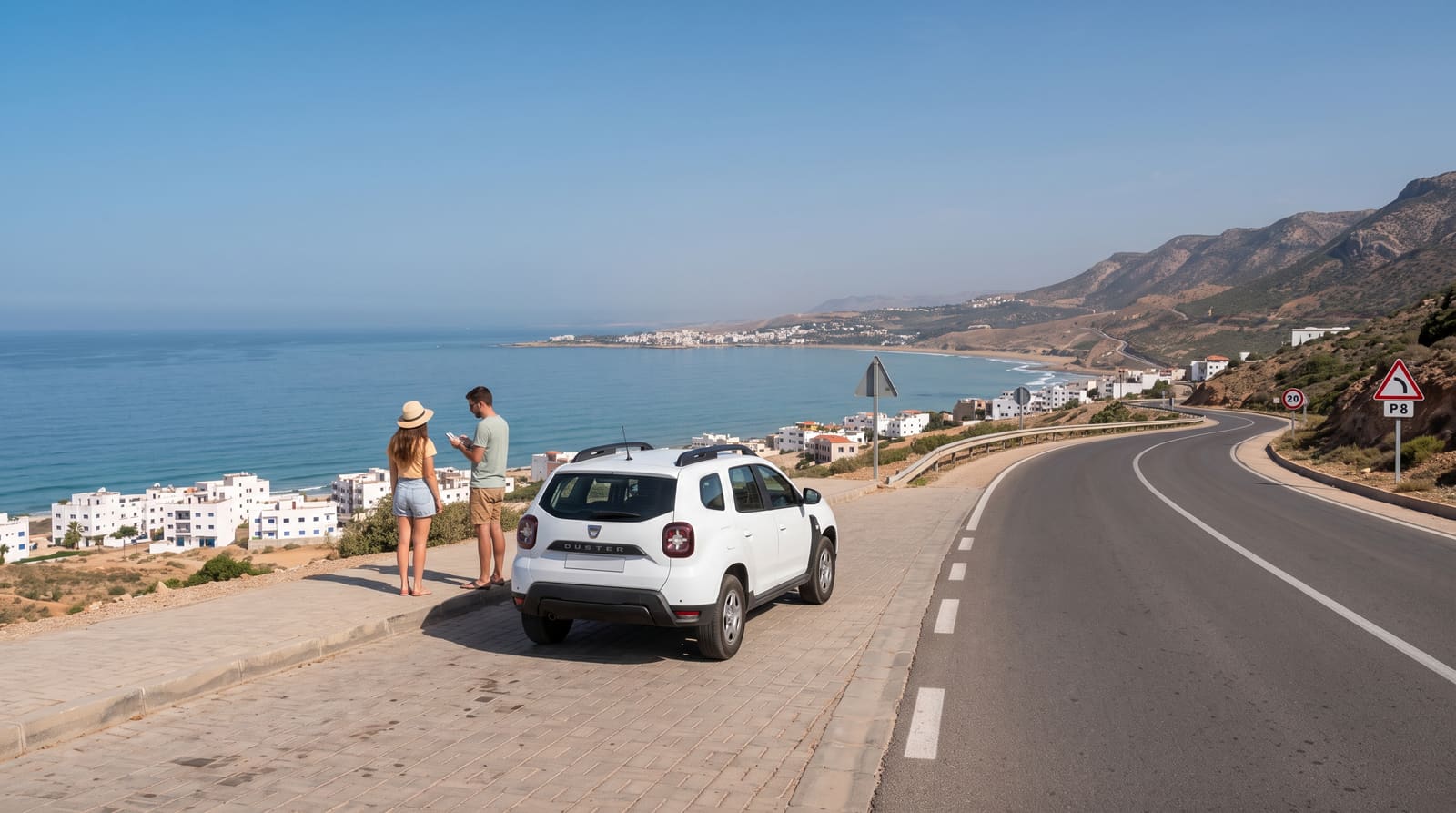
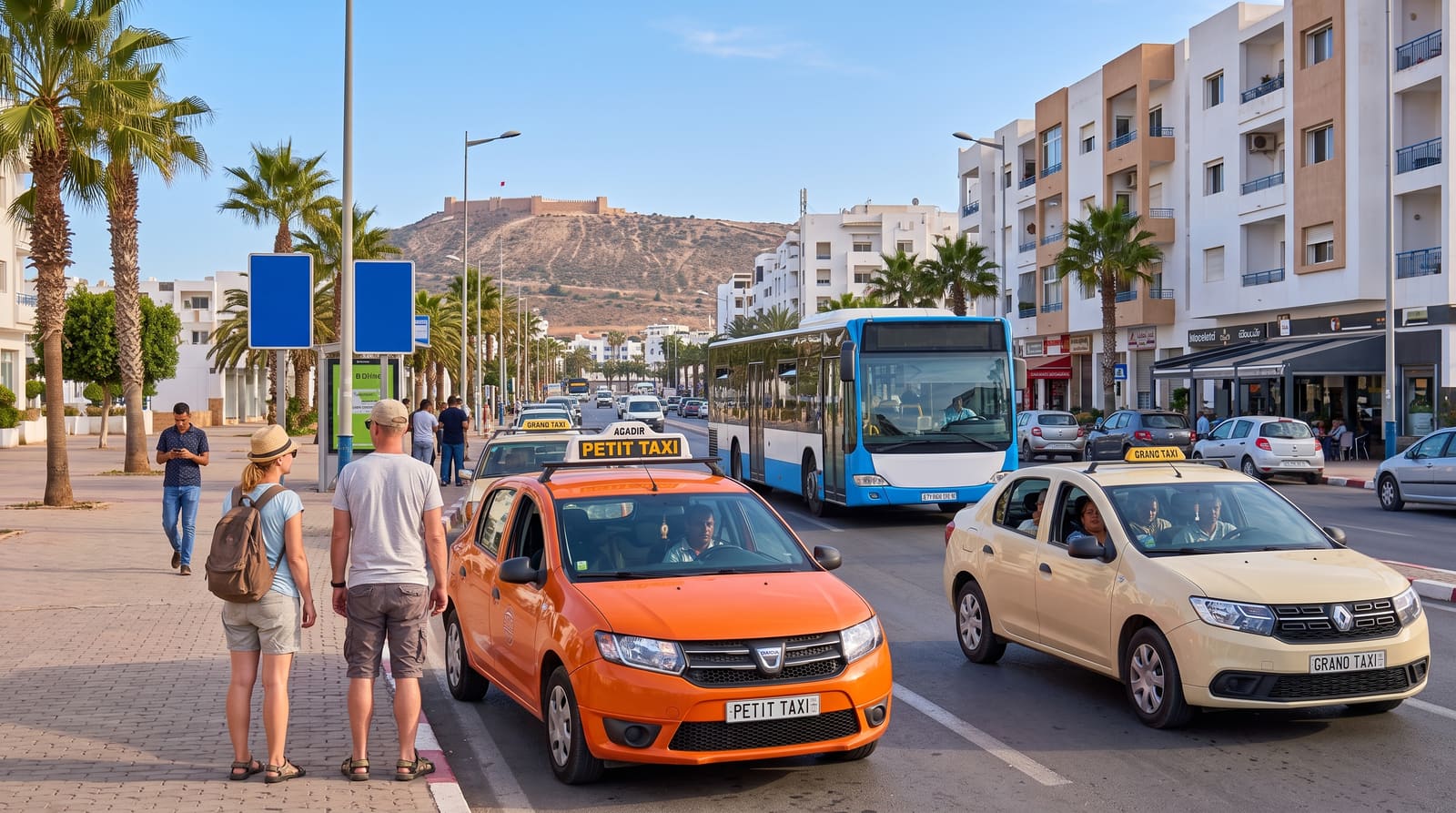
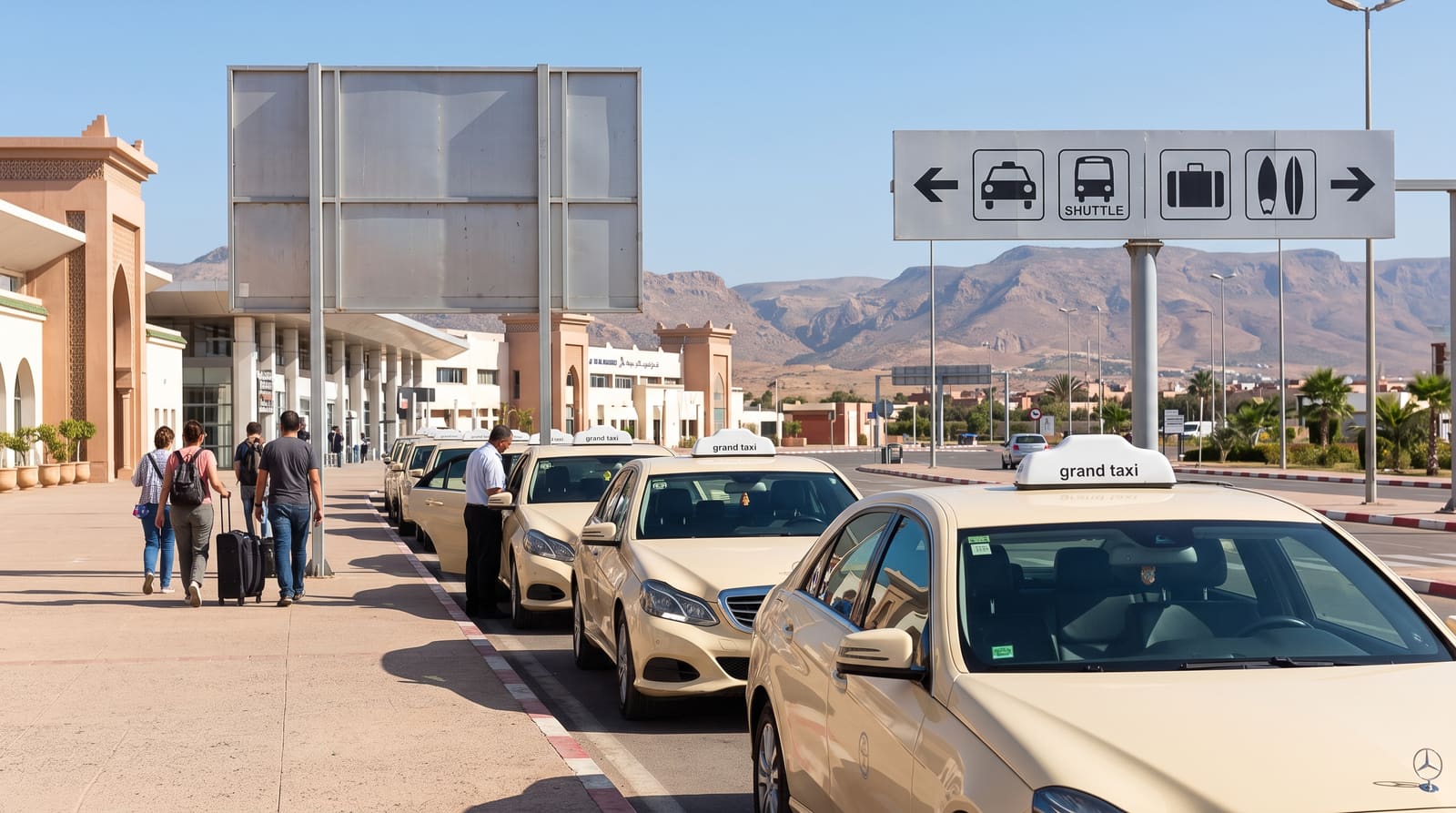
Grand taxi or private transfer, roughly 1.5-2 hours depending on traffic and route. This is the most common way in, and the one most surf camps arrange directly.
From Marrakech
Bus or shared transfer to Agadir first, then onward transport to Imsouane. Budget a half-day if you’re doing this leg in one go.
From Essaouira
A similar drive time to Agadir, which makes Imsouane a natural stopover if you’re combining both coastal towns on the same trip.
The Two Waves: The Bay vs. Cathedral Point
Imsouane isn’t one wave — it’s two, sitting almost back-to-back on either side of the same headland, and knowing the difference before you paddle out will save you a frustrating first session.
The Bay
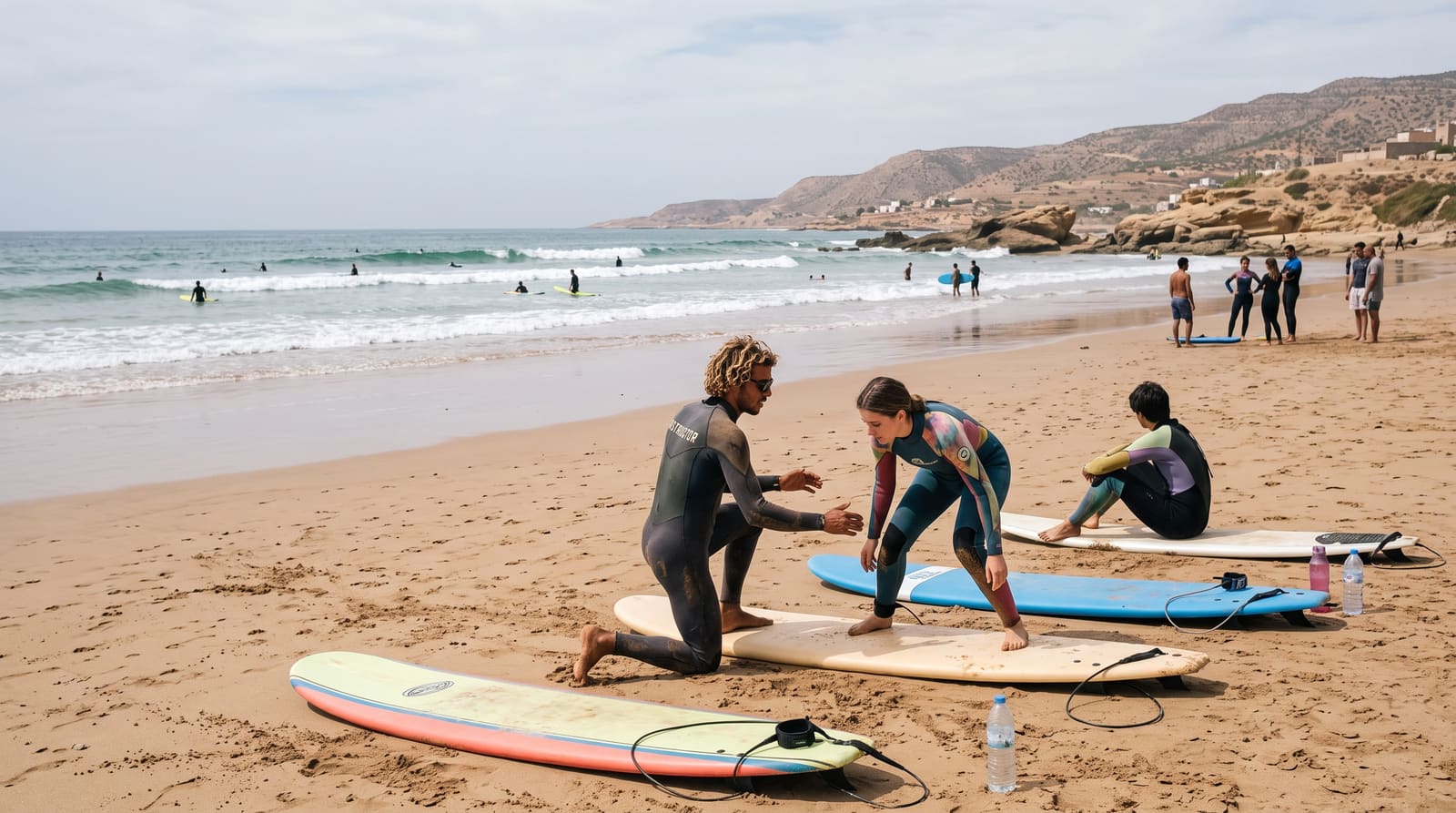
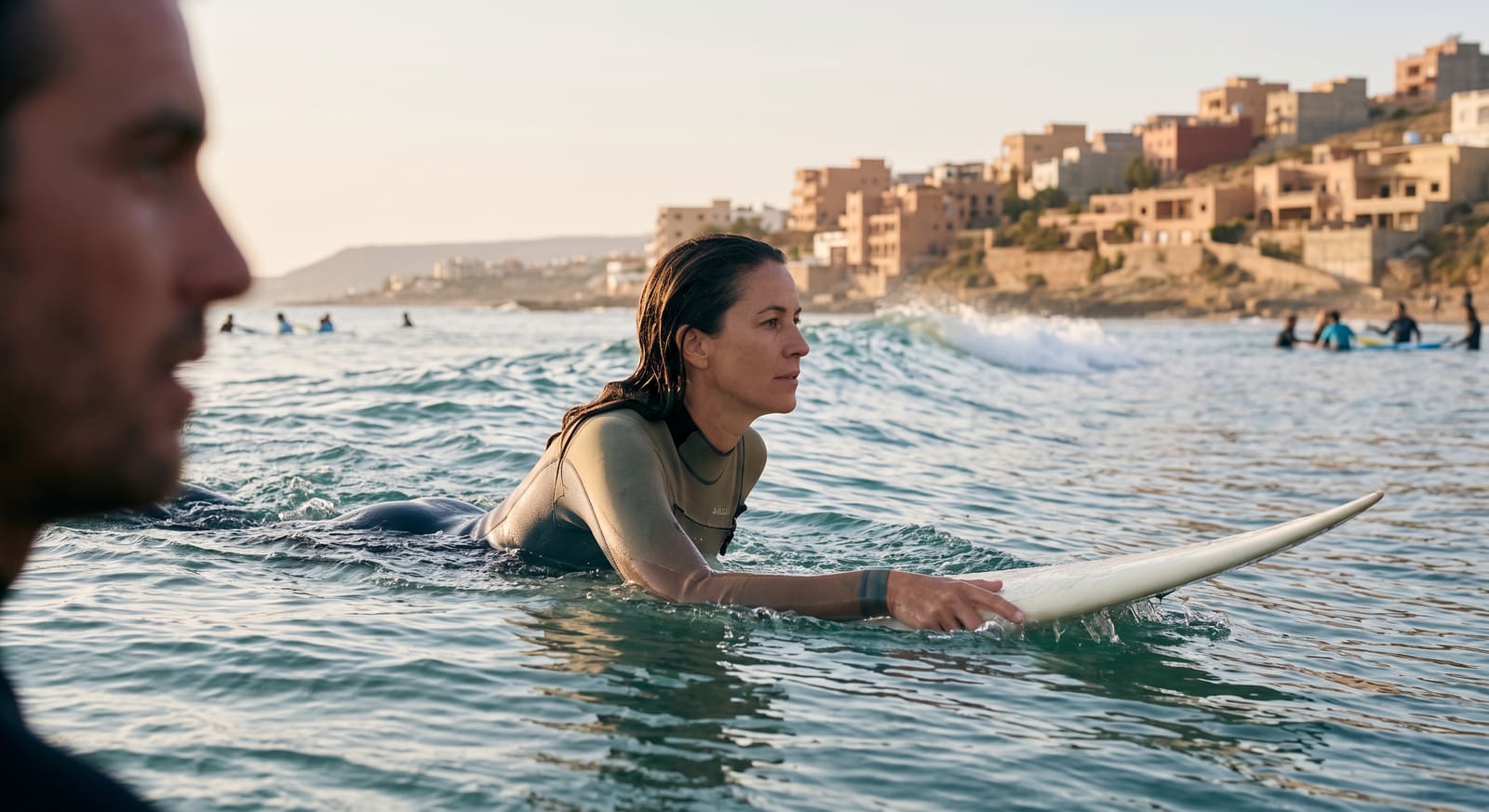
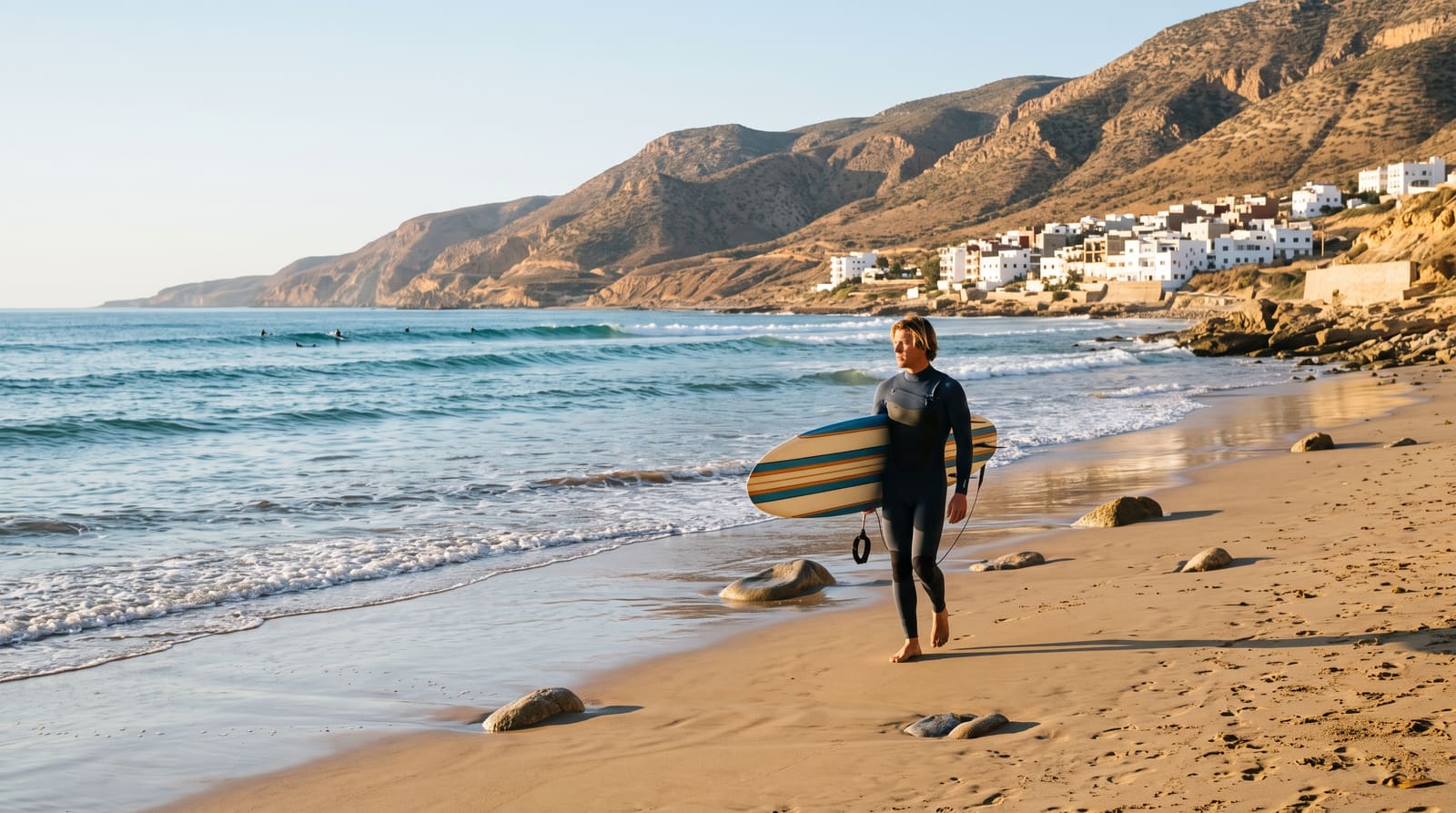
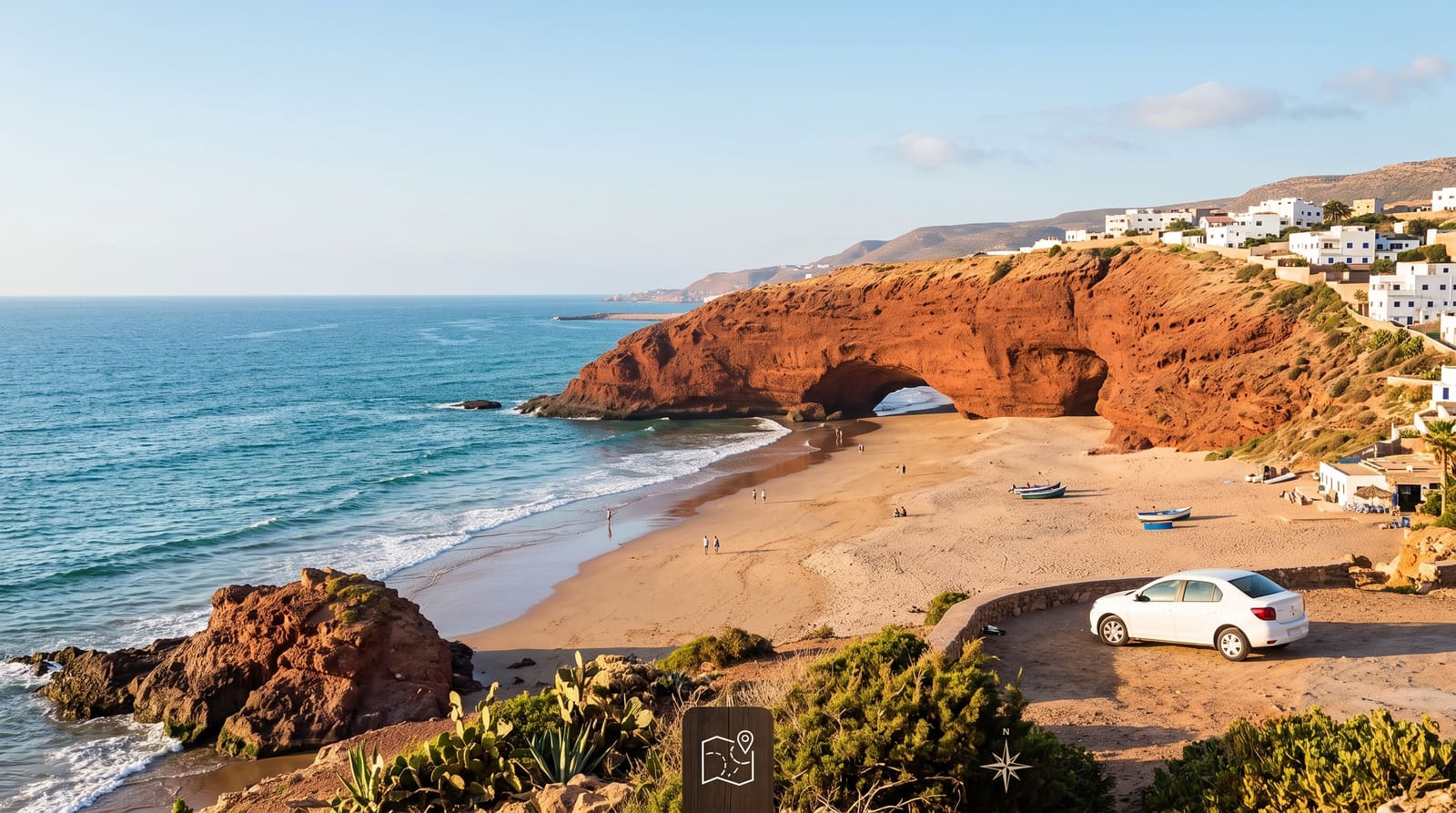
This is the wave Imsouane is famous for: a long, mellow, right-hand point break that wraps around the harbor wall over a sandy bottom. It’s forgiving, predictable, and works at both high and low tide — the combination that’s made it one of the world’s best-known beginner and longboard waves. On the right swell, a single ride can carry a surfer for the better part of a minute, long enough to practice every maneuver in the book or simply trim and let the ocean do the work.
Cathedral Point (La Cathédrale)
A short walk around the headland, and a different wave entirely — a punchier, more technical point and reef break suited to intermediate and advanced surfers, especially once the winter swells arrive. It’s shallower and faster than The Bay, with occasional hollow sections that reward local knowledge of the tide.
| Wave | Skill Level | Bottom | Best Conditions |
|---|---|---|---|
| The Bay | Beginner–Advanced | Sand | Works on most tides, year-round |
| Cathedral Point | Intermediate–Advanced | Reef/rock | Best on winter swells, mid-low tide |
The takeaway: if you’re a beginner or longboarder, you’ll spend most of your time at The Bay. If you’re chasing speed and power and know what you’re doing, Cathedral is where the local surfers go.
Best Time to Surf Imsouane, Season by Season
| Season | Months | What to Expect |
|---|---|---|
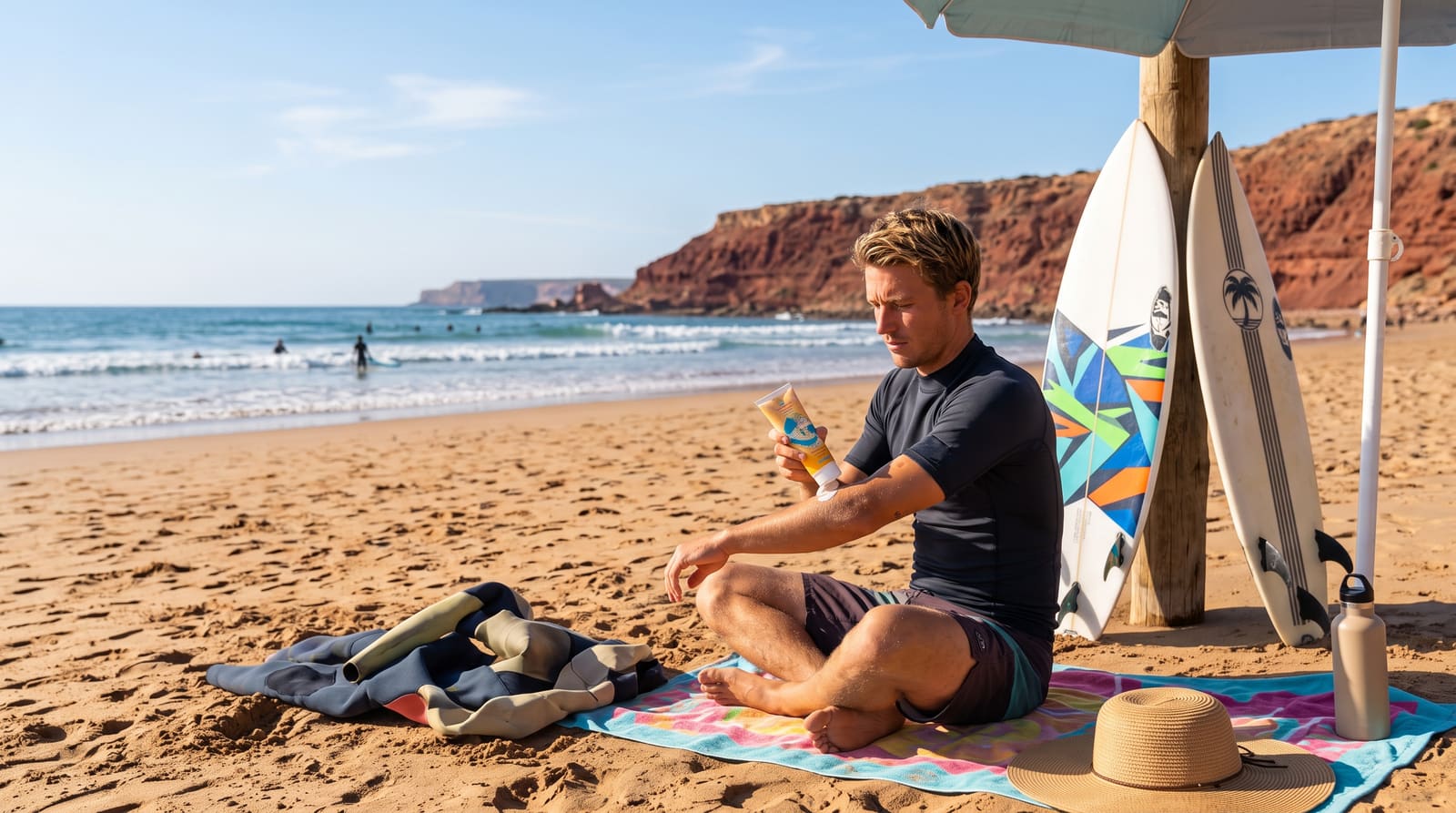
| Peak winter swell | Nov-Mar | Most consistent, powerful swells of the year. Water 16-19°C — pack a 3/2mm or 4/3mm wetsuit. |
| Shoulder season | Apr-May, Sep-Oct | The sweet spot: good swell, fewer crowds, pleasant weather. |
| Summer | Jun-Aug | Smaller, gentler waves, warmer water (up to 22°C) — best for first-timers, but busier. |
There’s genuinely no bad month to visit Imsouane — the seasons just change who the wave suits best. That’s rare on this coastline, and it’s worth saying plainly rather than manufacturing urgency that isn’t there: the honest pitch isn’t “come now or miss out.” It’s “come in the season that matches your level.”
What Imsouane Looks Like in 2026
If you’ve searched Imsouane recently, you may have come across footage from the January 2024 demolitions along the waterfront, when local authorities cleared a number of unlicensed buildings — mostly on the Cathedral side of the village — with very little notice, displacing residents and closing several long-running surf businesses. It’s a fair question to ask before booking: is Imsouane still worth the trip?
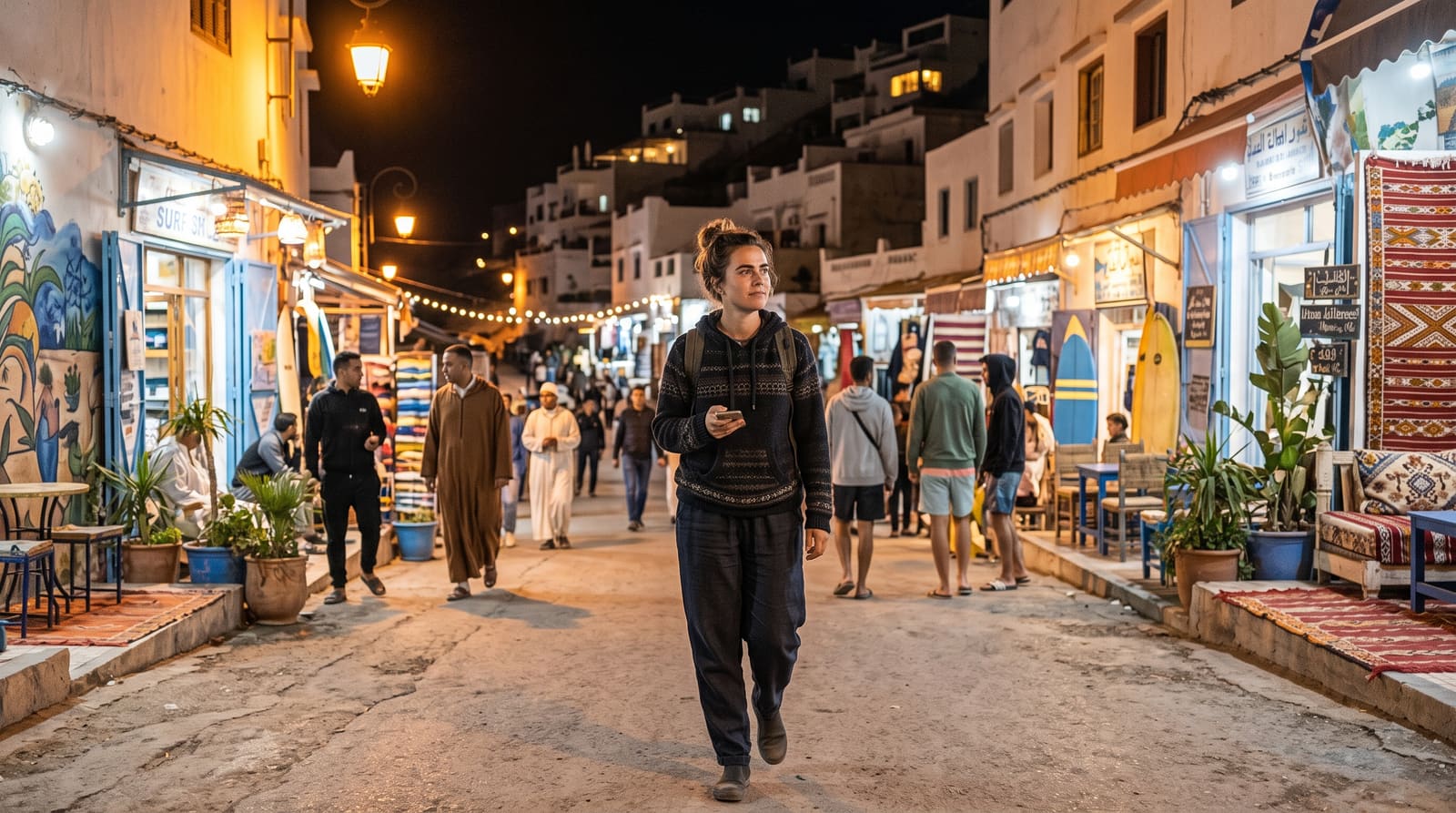
Short answer: yes. The wave itself was never affected — the demolitions concerned waterfront structures, not the point break — and the surrounding surf economy has spent the two years since steadily rebuilding. Surf camps, guesthouses, and restaurants have reopened, many in new locations, and by 2026 the village is drawing renewed international attention as one of North Africa’s standout longboard destinations. Visitors who arrive expecting a ghost town are consistently surprised by how alive the place still feels. It’s still worth checking current on-the-ground updates close to your travel dates, since rebuilding is ongoing and the village continues to evolve.
Where to Stay
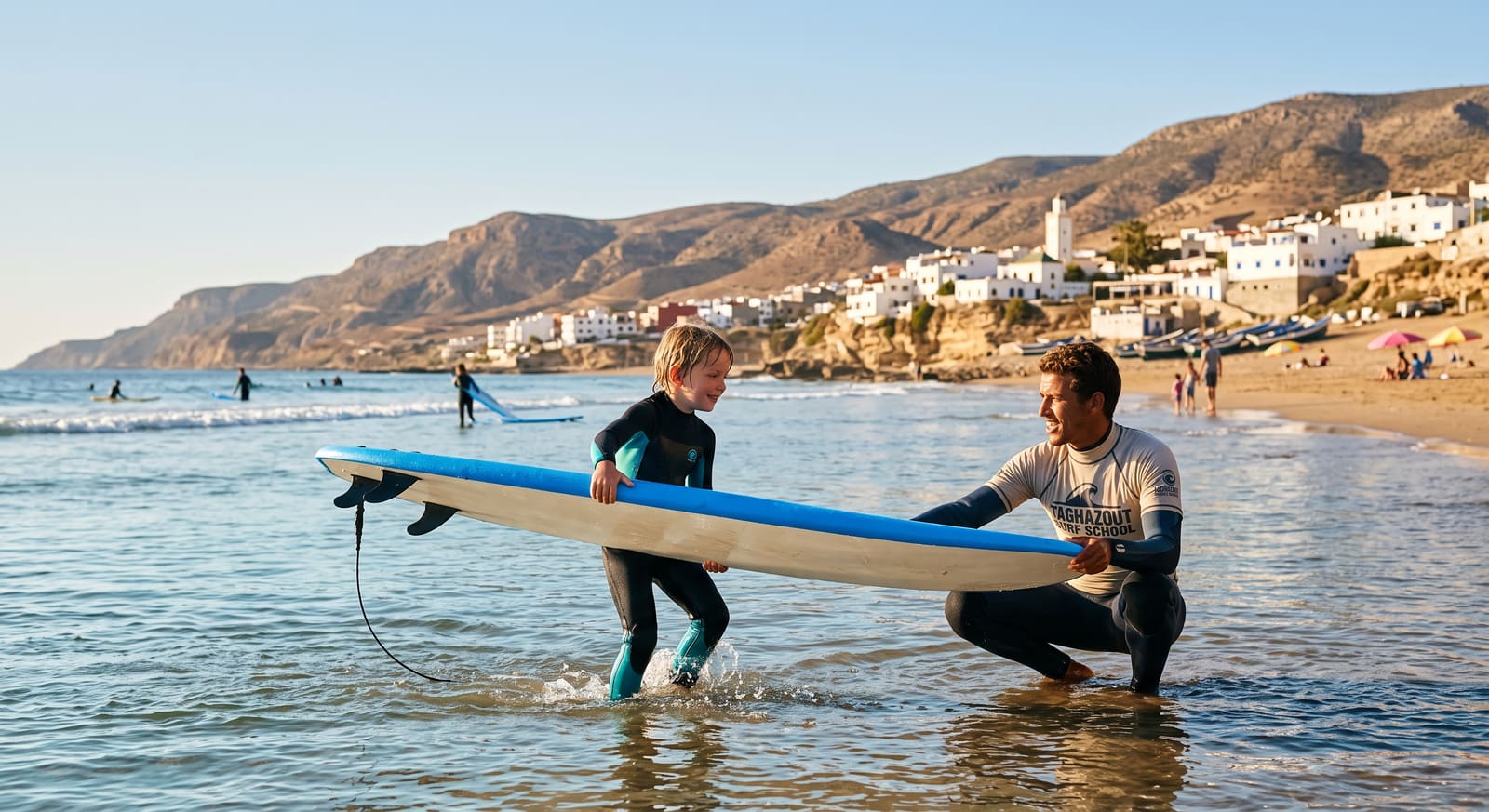
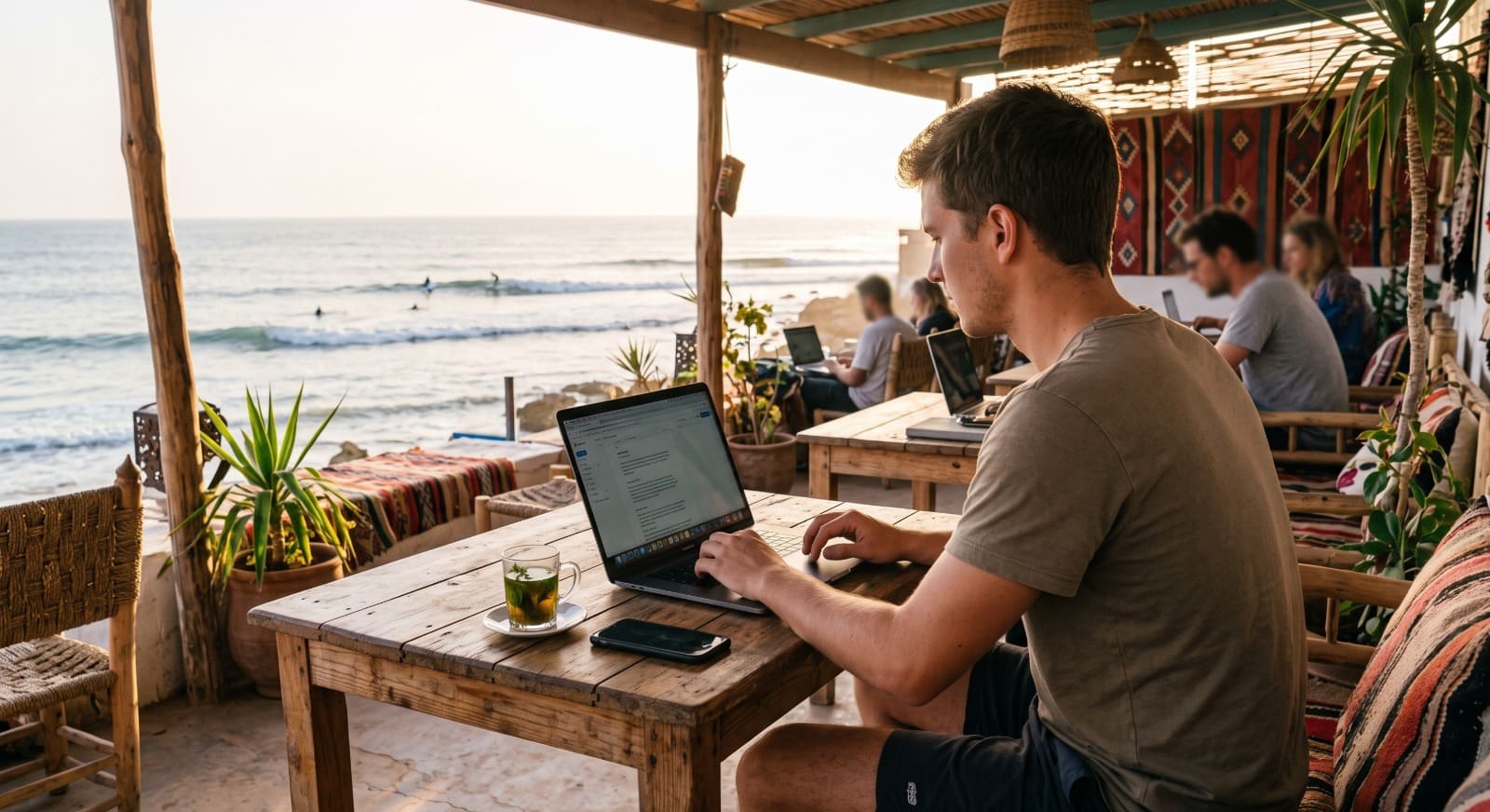
- Surf camps — the most common option, usually including lessons, board rental, meals, and a social atmosphere. Good for solo travelers and first-timers.
- Guesthouses and surf houses — independent apartments or rooms, often with rooftop terraces overlooking The Bay.
- Van life / independent camping — increasingly popular near the harbor and cliff areas, though facilities are basic.
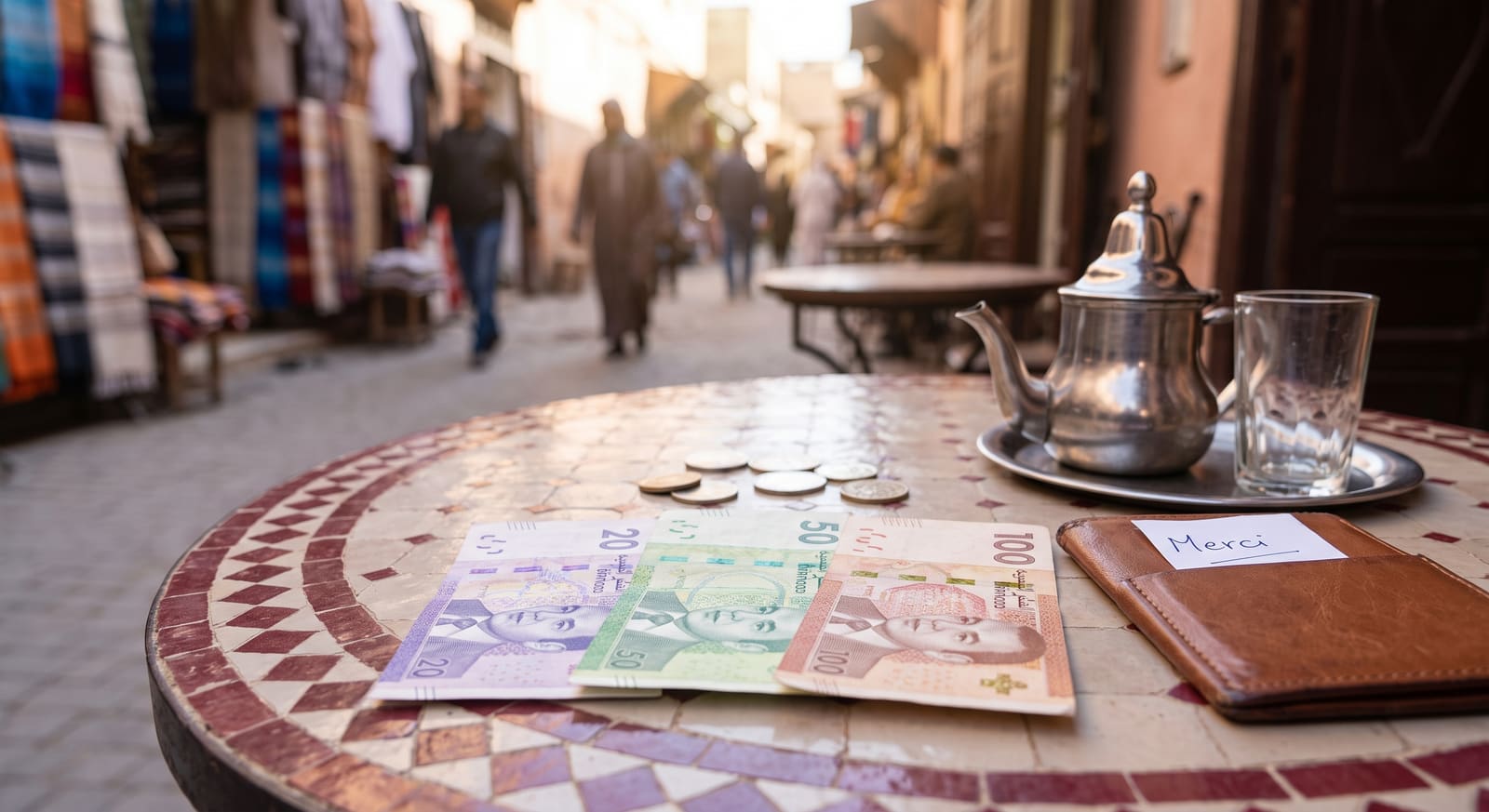
One practical note that trips up a lot of first-time visitors: Imsouane has no reliable ATM in the village itself. Bring enough cash for your full stay — dirhams only, since card acceptance is limited outside the surf camps.
Beyond Surfing: What Else to Do in Imsouane
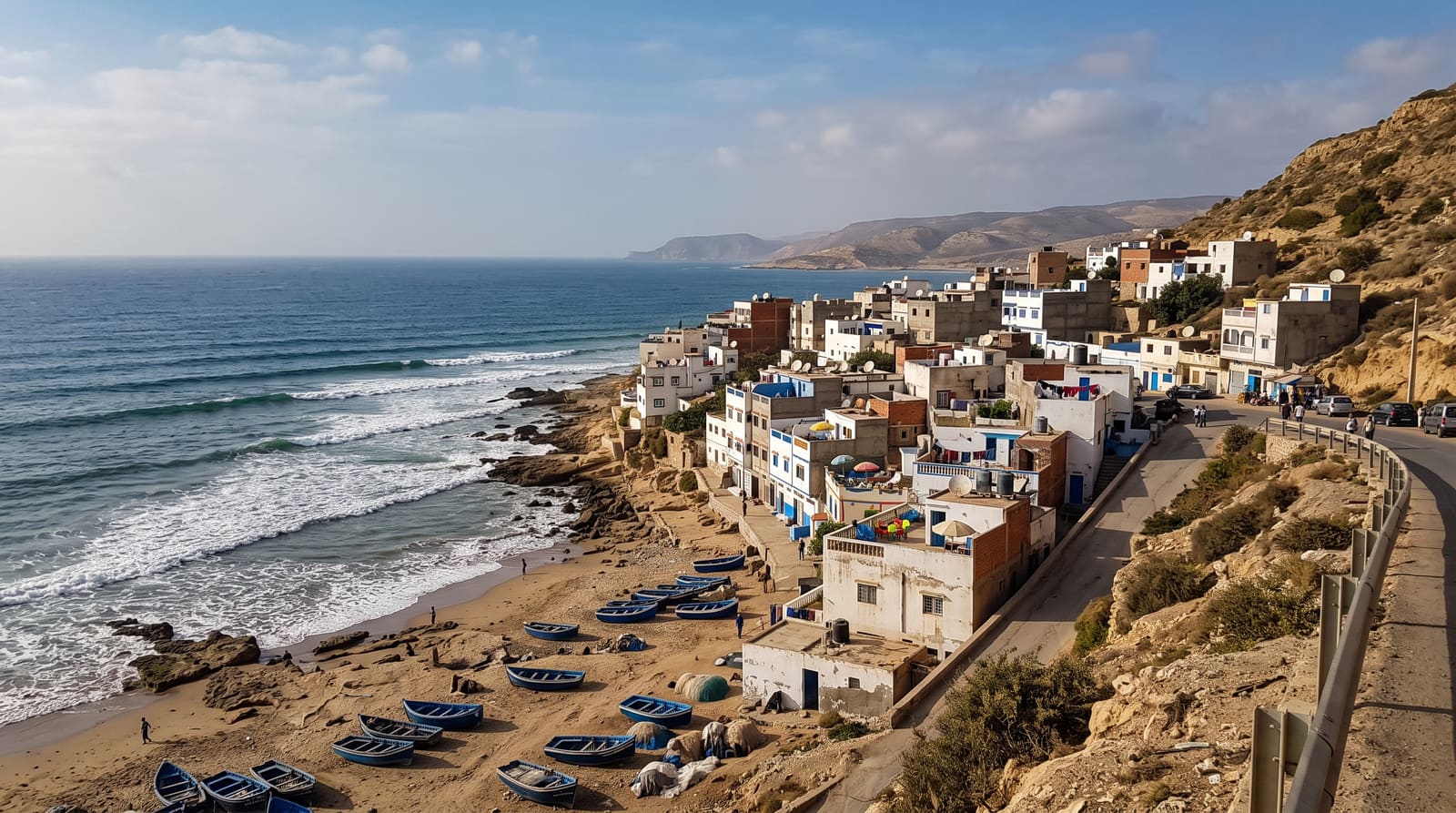
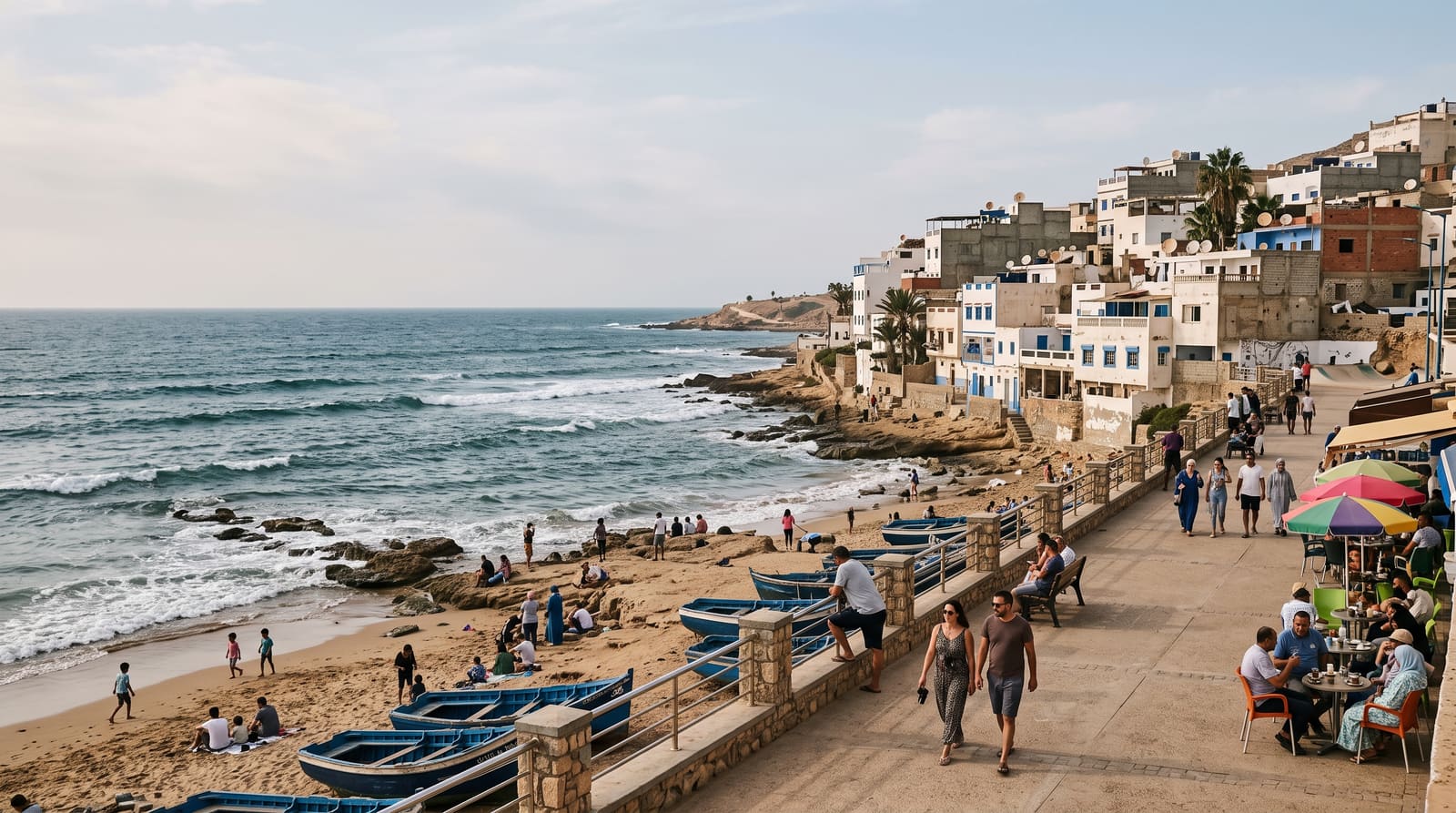
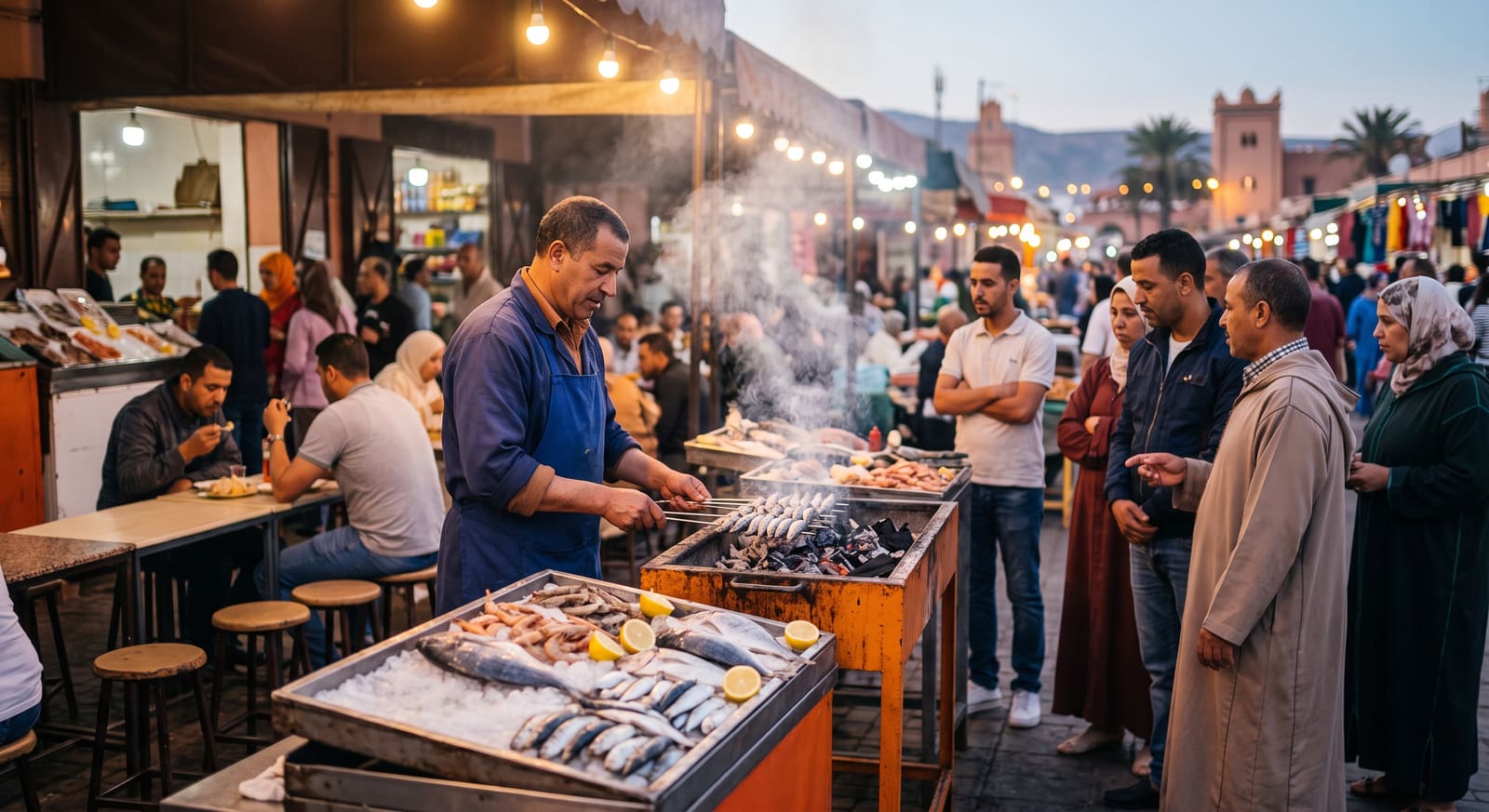
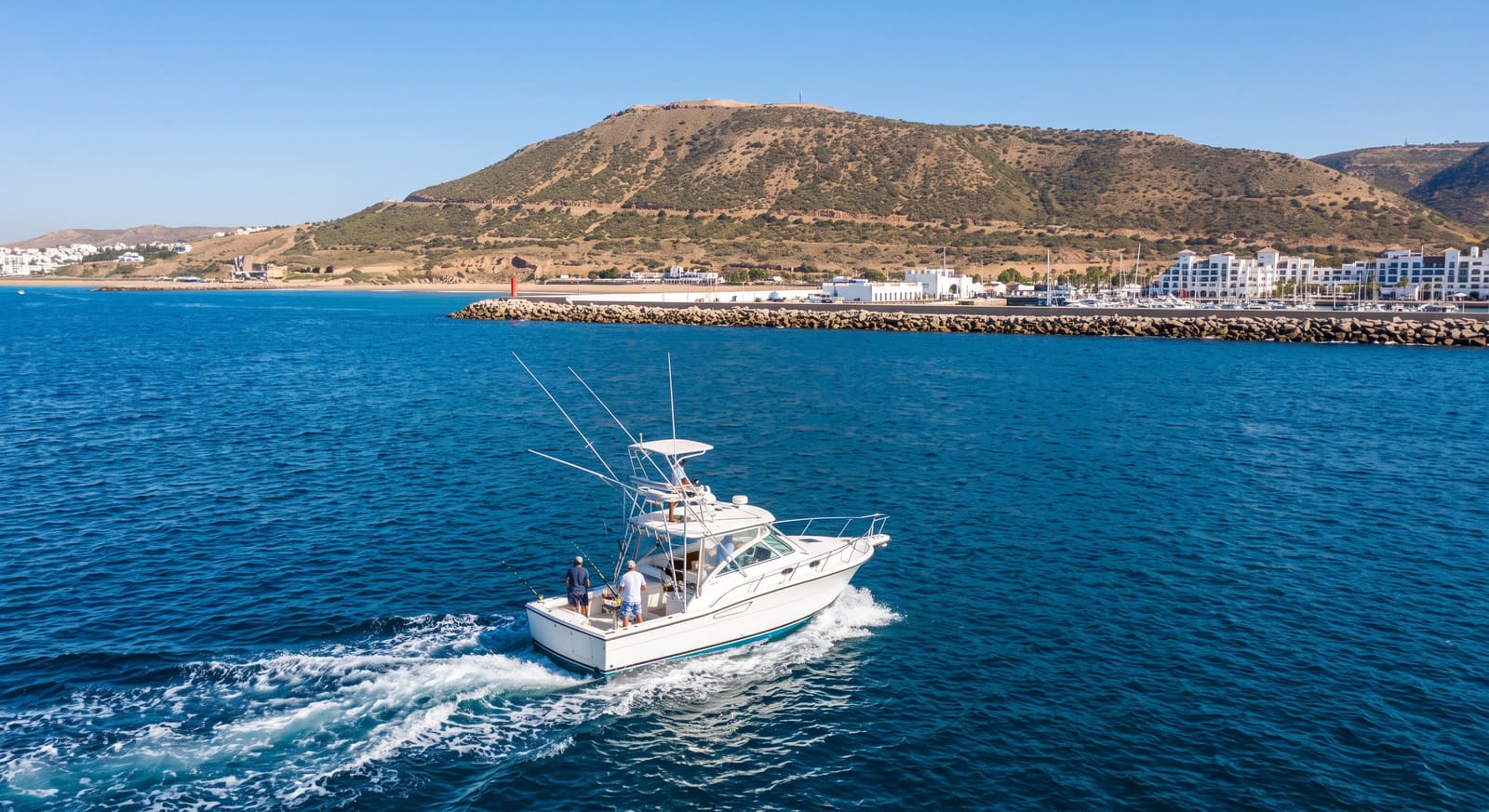
- Watch the fish market at midday, when the local blue fishing boats come in and the day’s catch gets grilled right on the harbor wall.
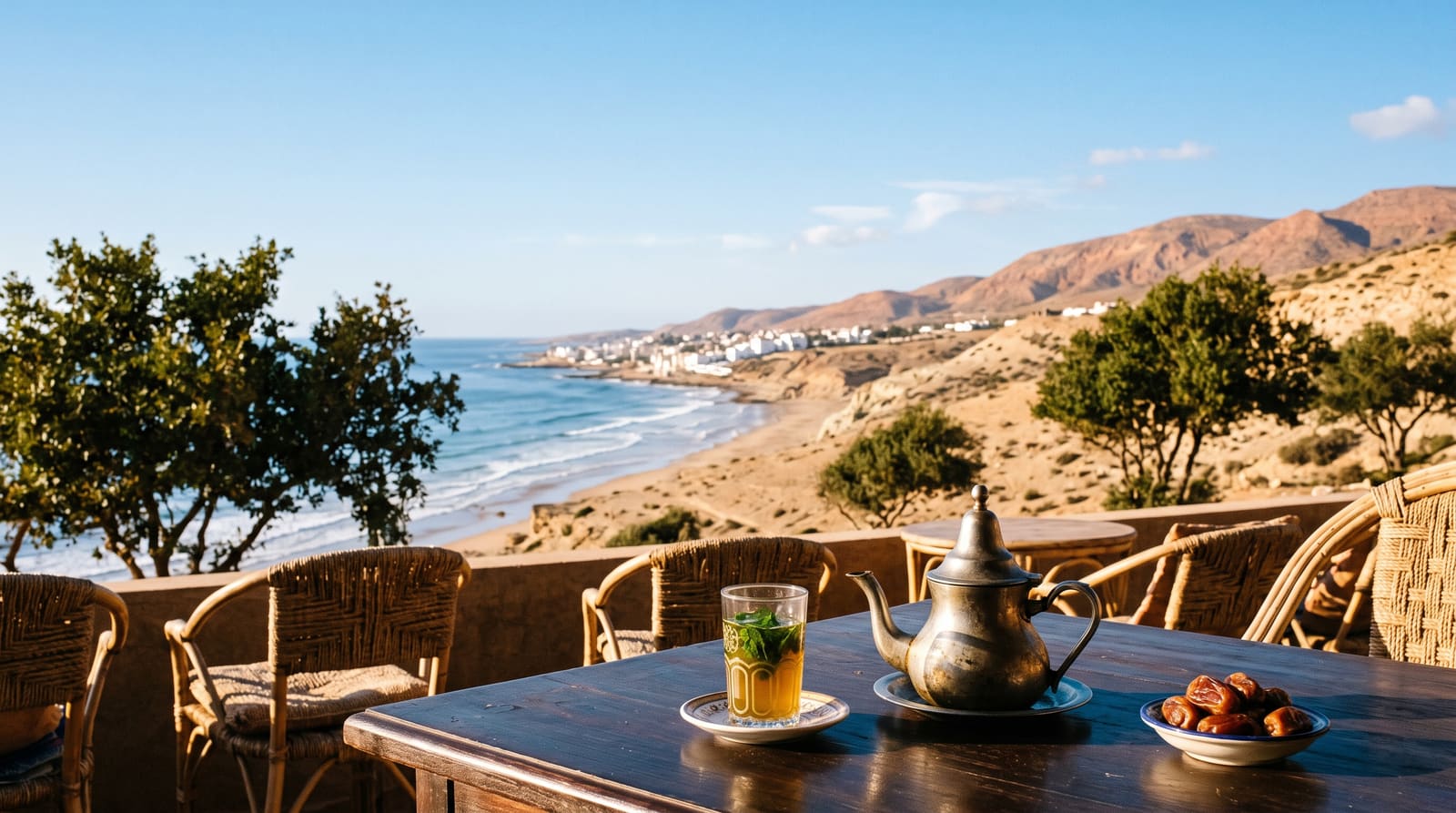
- Walk the cliffs above the village at sunset — the light on the bay is one of those things photos genuinely undersell.
- Day trip to Essaouira, roughly 1.5-2 hours north, for a bigger medina and more restaurant variety.
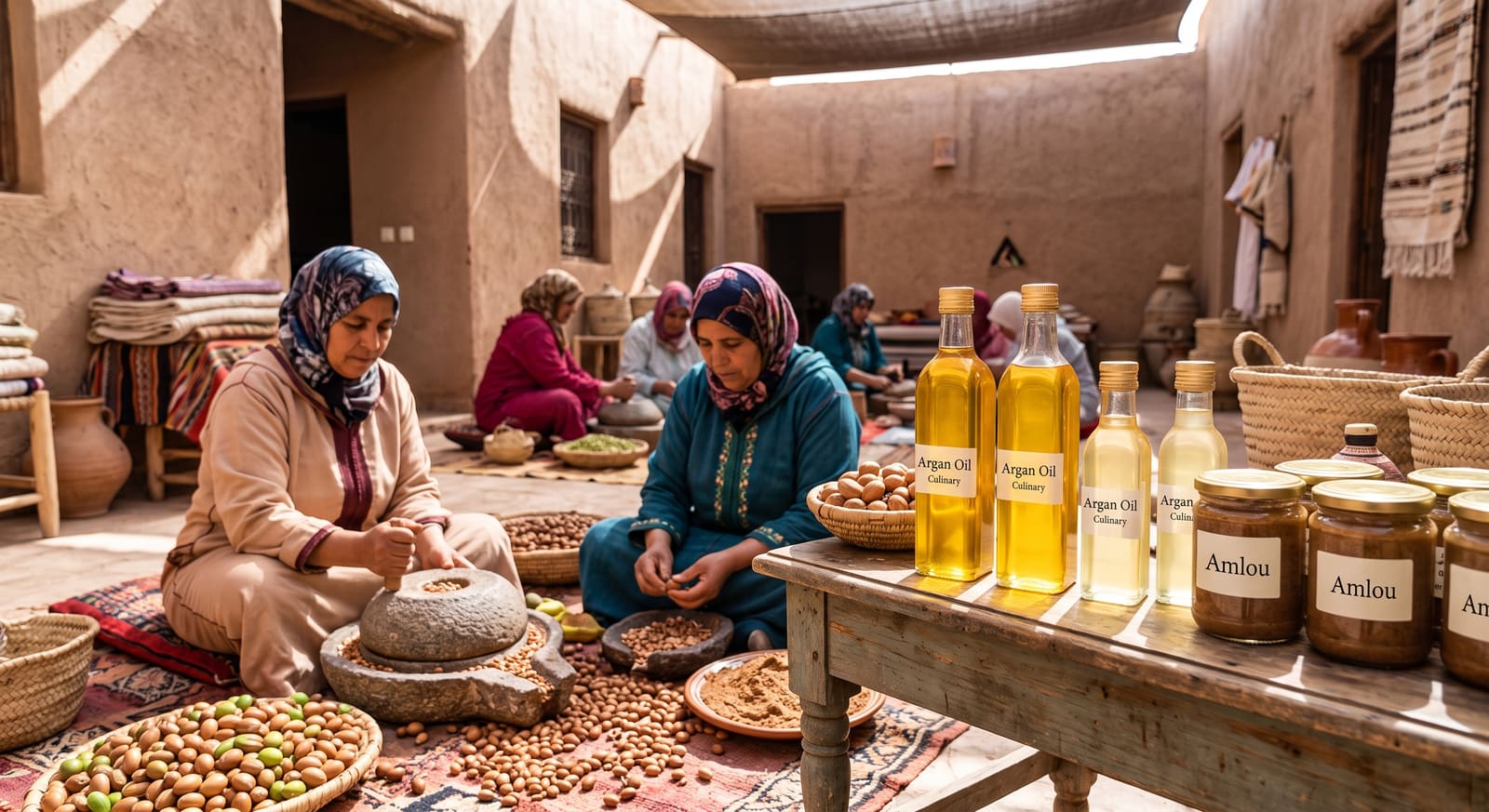
- Visit an argan cooperative in the surrounding countryside, one of the last places on earth where wild argan forest still stands.
Imsouane vs. Taghazout: Which Should You Choose?
This comes up constantly, so here’s the honest version:
| Imsouane | Taghazout | |
|---|---|---|
| Wave variety | One legendary point break, plus Cathedral | Multiple breaks for every level |
| Crowds | Lighter, still growing | Busier, well-established surf scene |
| Vibe | Slower, working fishing village | Bigger social scene, more nightlife |
| Best for | Longboarders, beginners, a quieter trip | Surfers wanting variety and community |
Many surfers end up doing both — basing themselves in Agadir or Taghazout and taking day trips to Imsouane, or the other way around.
Plan your Imsouane trip today. The wave isn’t going anywhere, but good surf camps and guesthouses fill up fast in the November-March window. Build your route — transport from Agadir, the right season for your level, and where to stay — directly in the teefun app, and skip the guesswork.
Conclusion
Imsouane earns its reputation the honest way — through a wave that’s genuinely as good as the videos suggest, in a village that hasn’t yet been reshaped around tourism. Whether you come for a two-hour session at The Bay or a full week of slow mornings and fresh fish, it rewards travelers willing to make the slightly longer drive from Agadir. Get the season right for your skill level, bring enough cash, and the rest tends to take care of itself.