Teefun local team
Slow Travel in Morocco: The Short Version
Morocco’s most common first-time itinerary — a loop through Marrakech, Fes, Chefchaouen, and Casablanca inside a week or ten days — is built for covering ground, not for depth, and it shows up in how tired people report feeling by the trip’s second half. Slow travel is the alternative: fewer stops, more time in each, and a trip structured around actually experiencing a place rather than checking it off. The Souss-Massa region, with its cluster of coastal towns and one central base in Agadir, is structurally well suited to this approach in a way a cross-country circuit isn’t.
“Slow Travel” Is a Real Movement, Not Just a Vibe
Slow tourism has genuine academic standing as a field, tracing its roots to the slow food movement and developing into a recognized area of tourism research over the past two decades, with its own conceptual frameworks and a growing body of published work examining pace as a deliberate design choice in travel rather than a side effect of budget or time constraints. Recent tourism research has also started looking directly at the split between “fast” and “slow” travel preferences among tourists, treating pace itself as something destinations and itineraries can be deliberately designed around — which is a fairly different framing from the older assumption that more stops simply means a better trip.
Why Morocco’s Default Itinerary Is Built for Speed
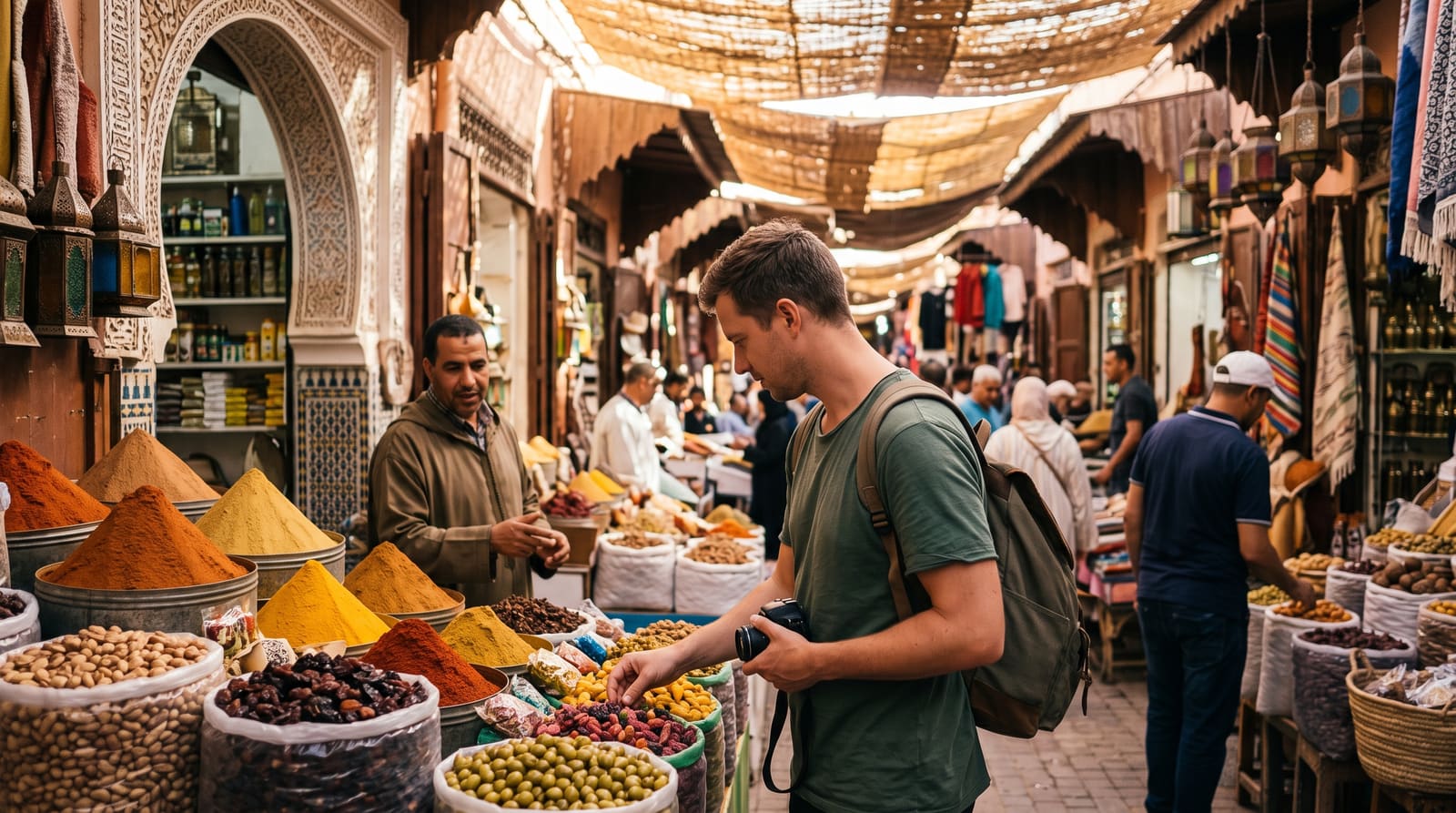
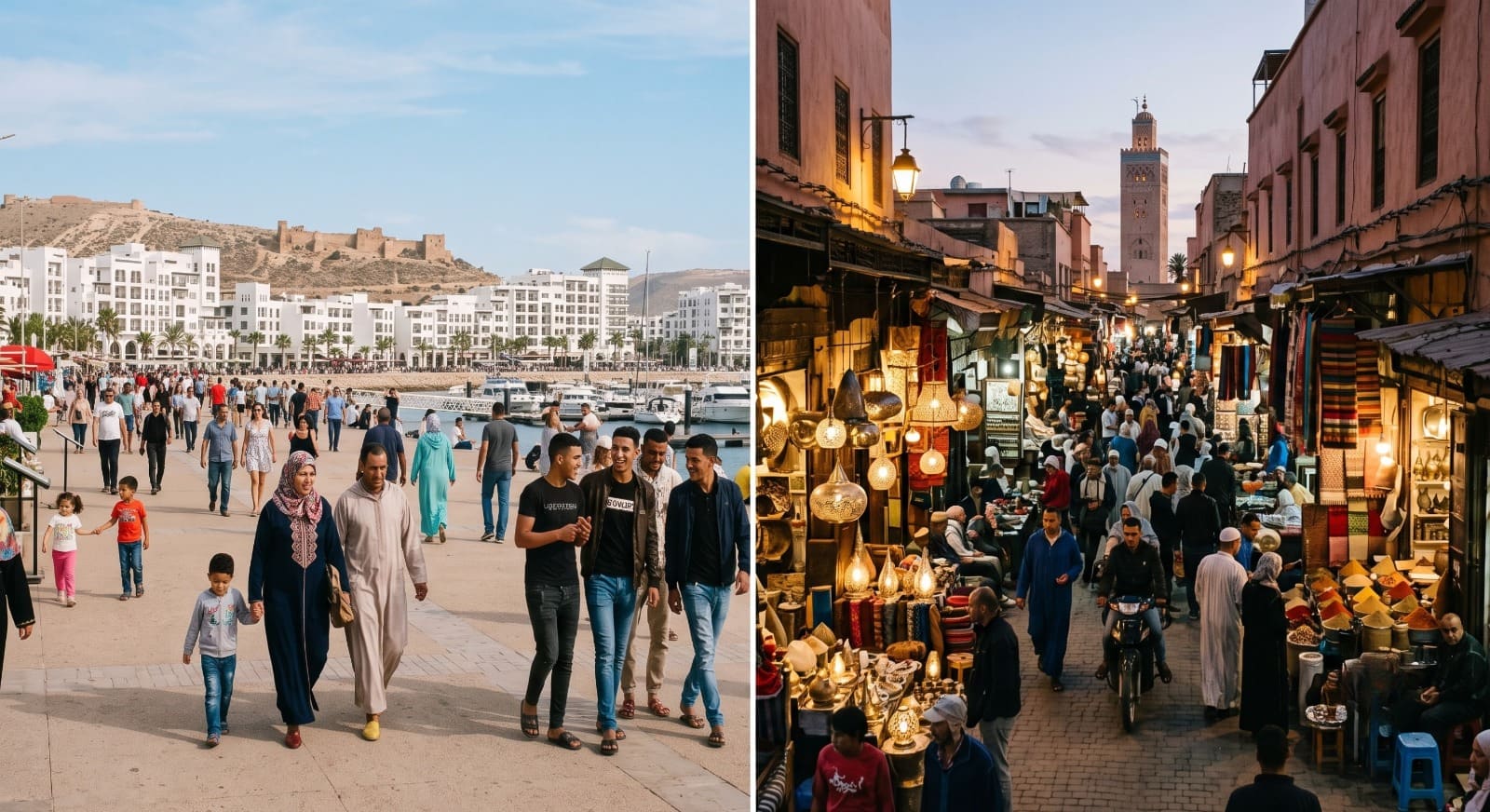
The reasons are structural, not anyone’s fault: Morocco’s most photographed destinations — Marrakech’s medina, Fes’s tanneries, Chefchaouen’s blue streets, the Sahara — are spread across a large country, and a first-time visitor trying to see the “greatest hits” in a week or two ends up with a trip that’s mostly transit and relocation. None of that is wrong if covering ground is genuinely the goal. But it’s worth naming clearly: that itinerary shape is optimized for coverage, not for the kind of restorative, unhurried trip a lot of travellers say they actually want when they’re planning it.
The Real Cost of a Packed Itinerary
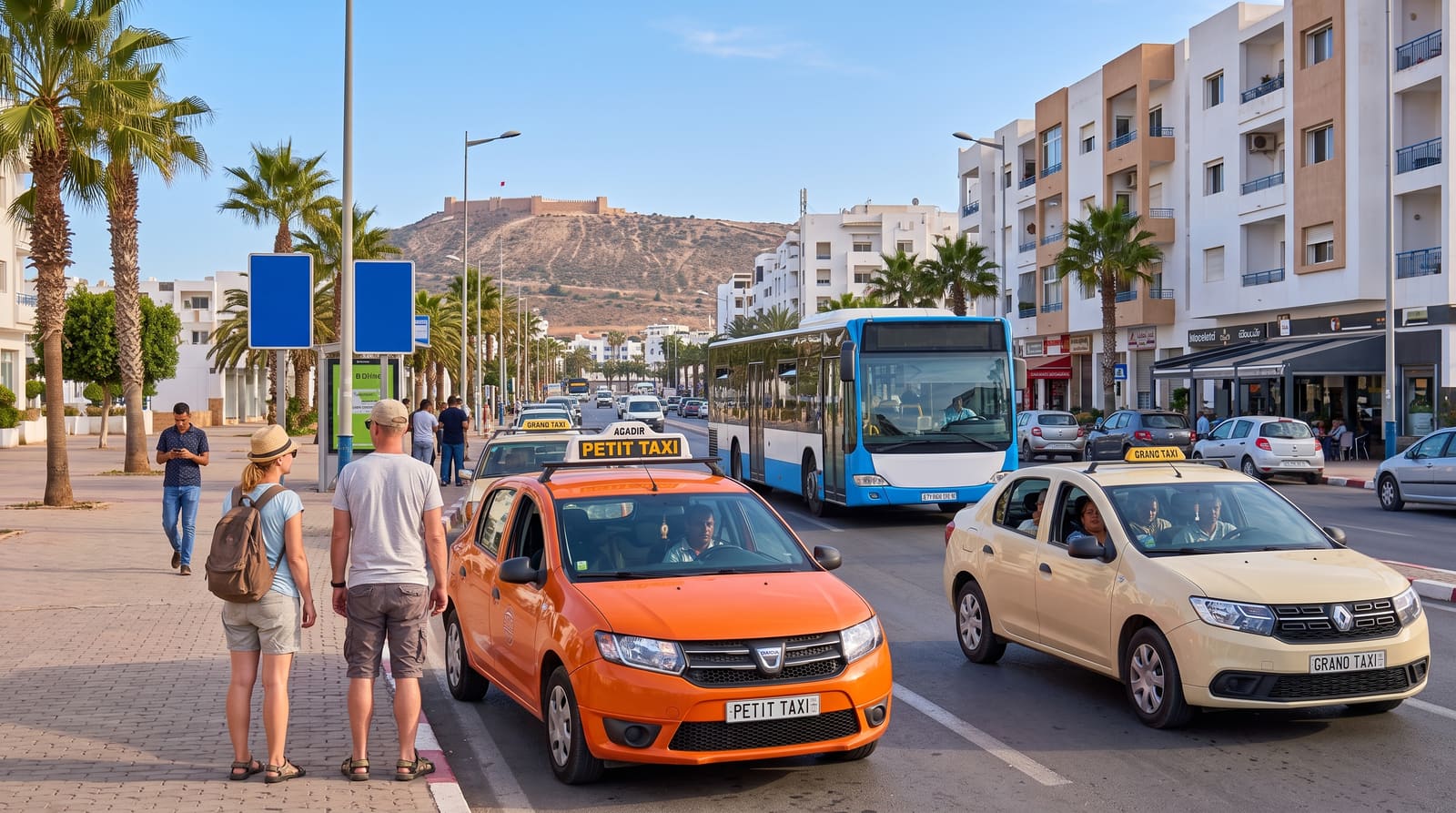
Every new city means a fresh round of logistics: where to stay, how to get around, which restaurant, which taxi price is fair, what’s actually worth seeing versus what’s just nearby. This isn’t a minor inconvenience — continuous decision-making is genuinely effortful, and a trip that resets this list every one to two days is asking a lot more of you, cumulatively, than one that solves it once and then lets you actually settle in. This is part of why travellers so often describe needing a few days to recover after a packed, multi-city trip rather than returning already rested.
Why the Souss-Massa Region Suits Slow Travel Structurally
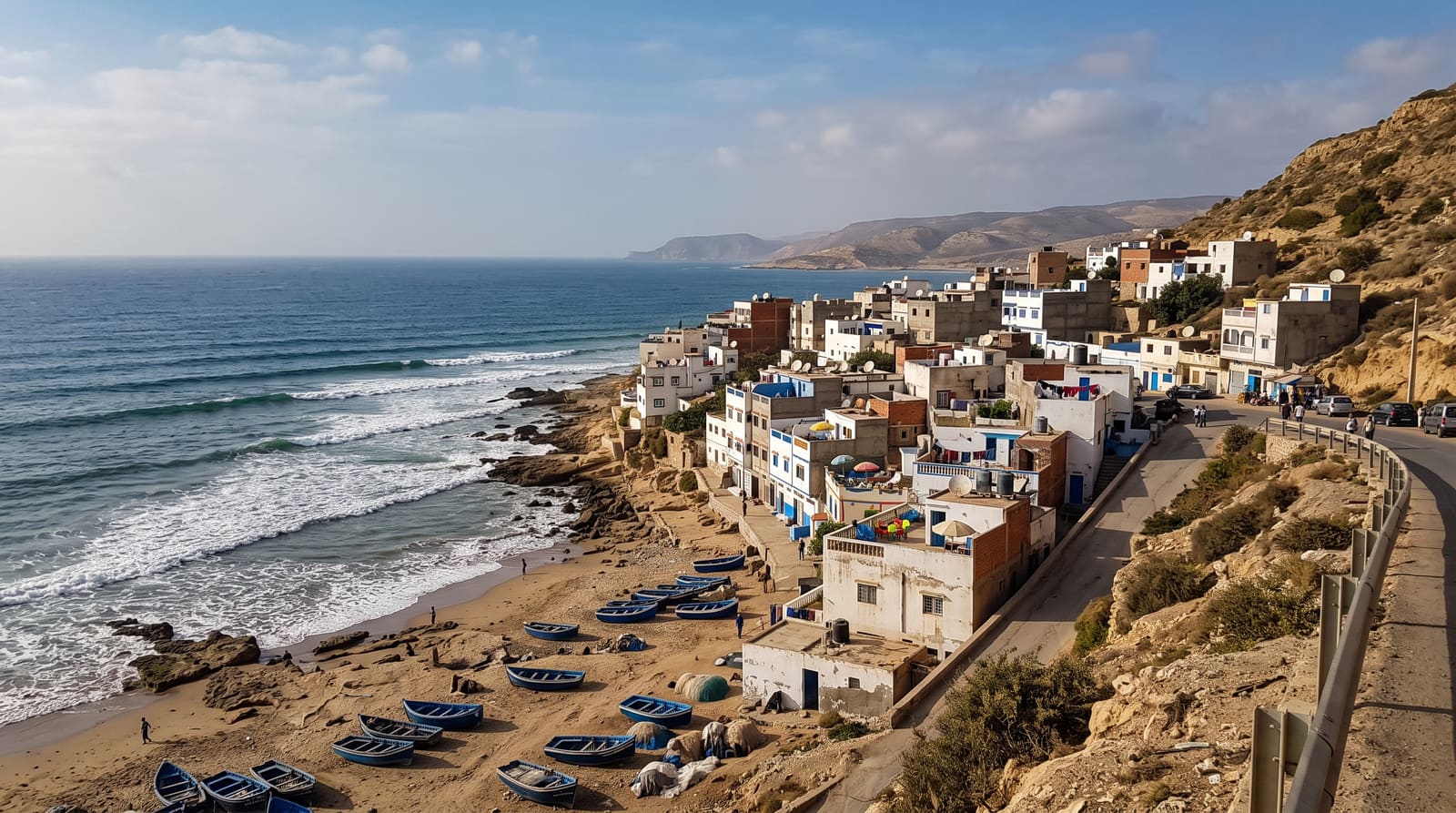
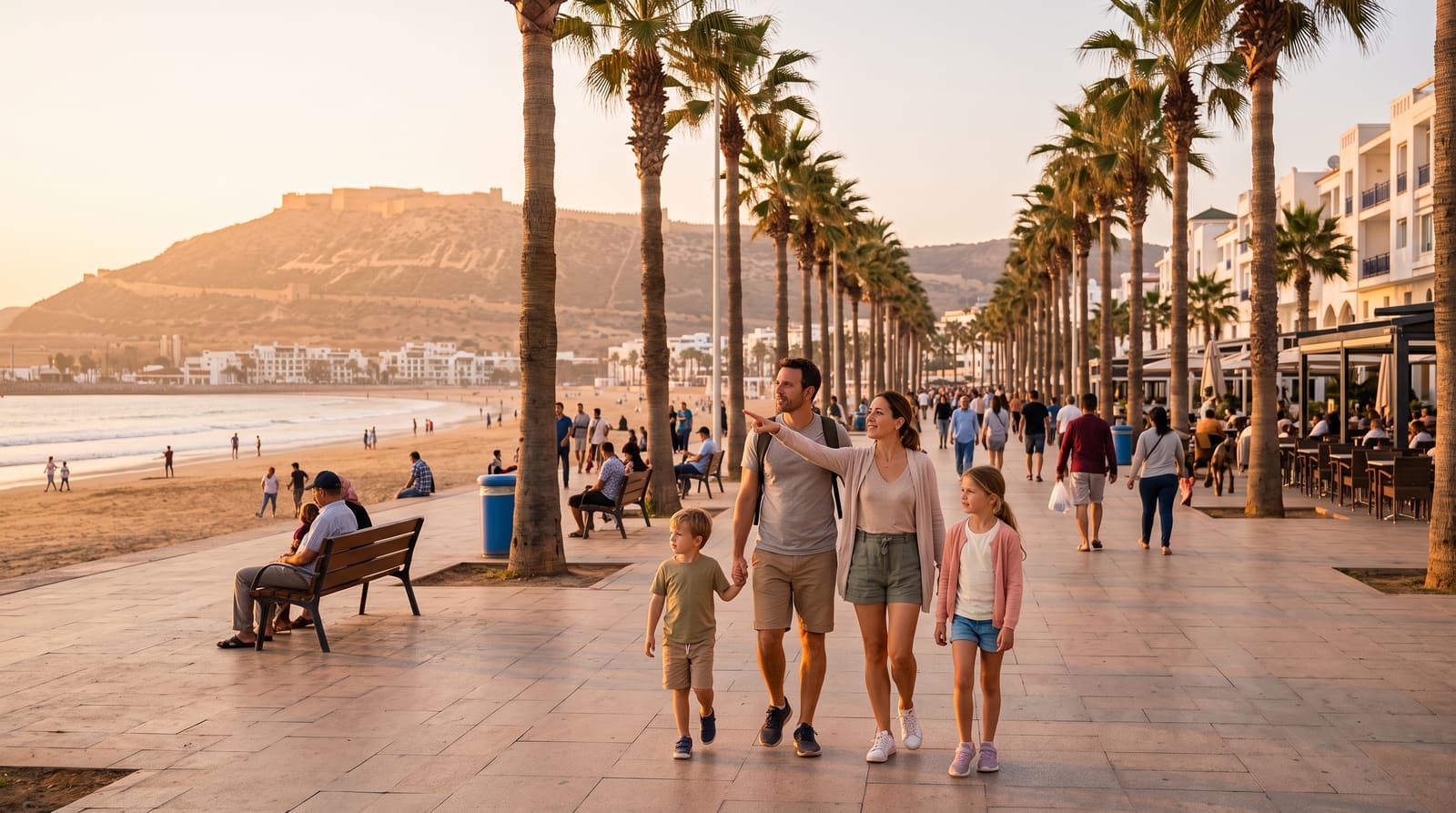
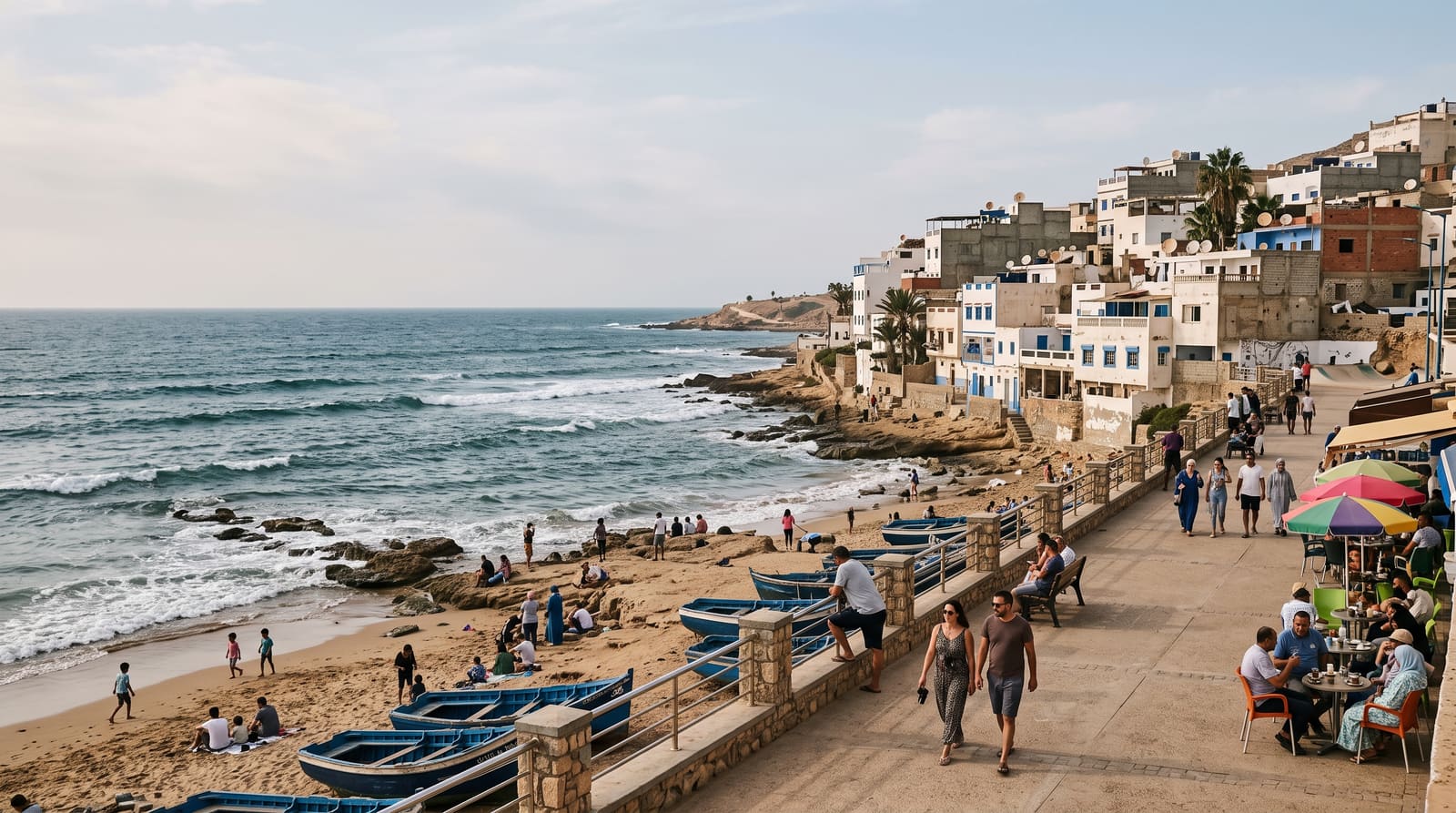
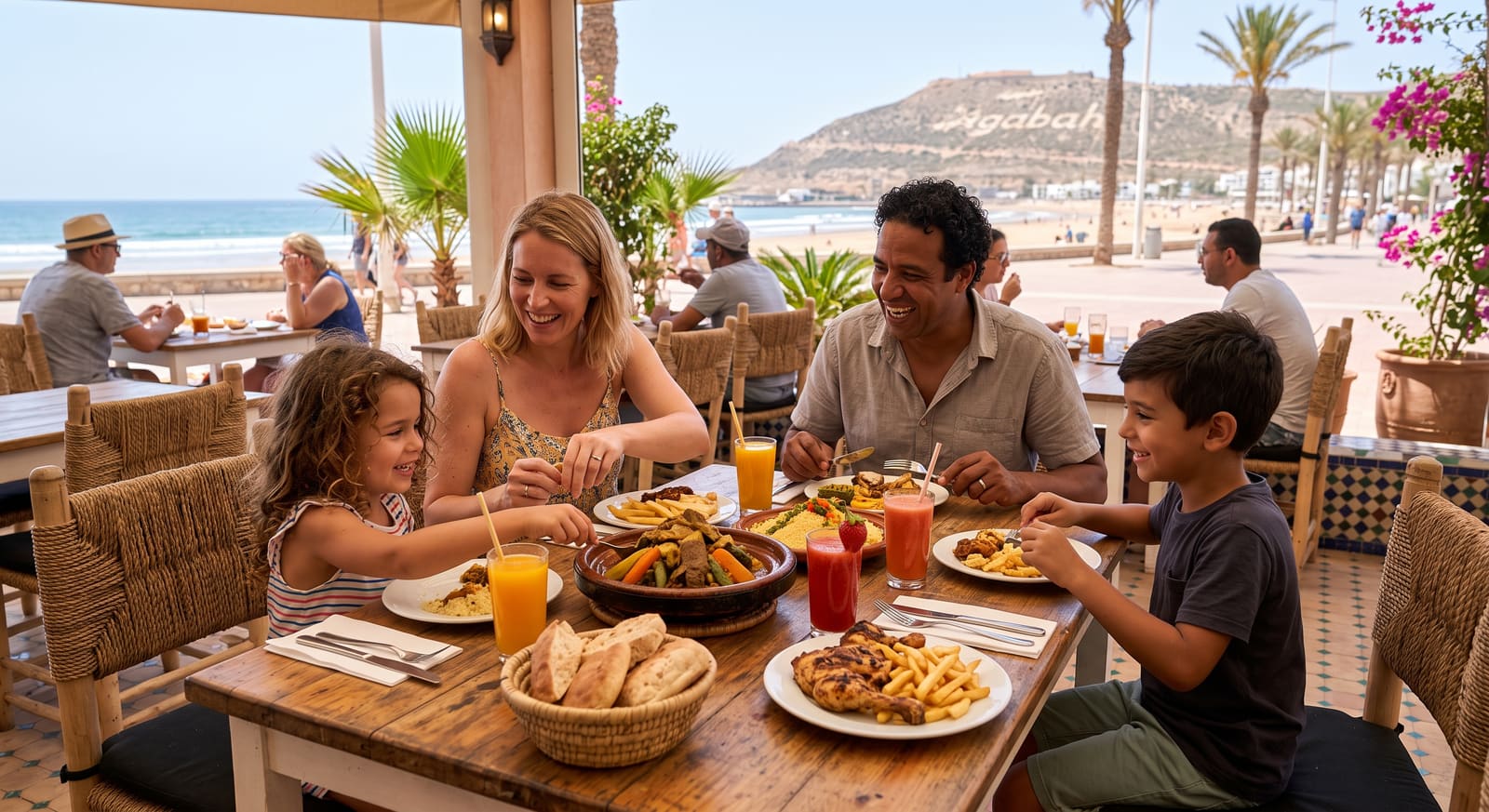
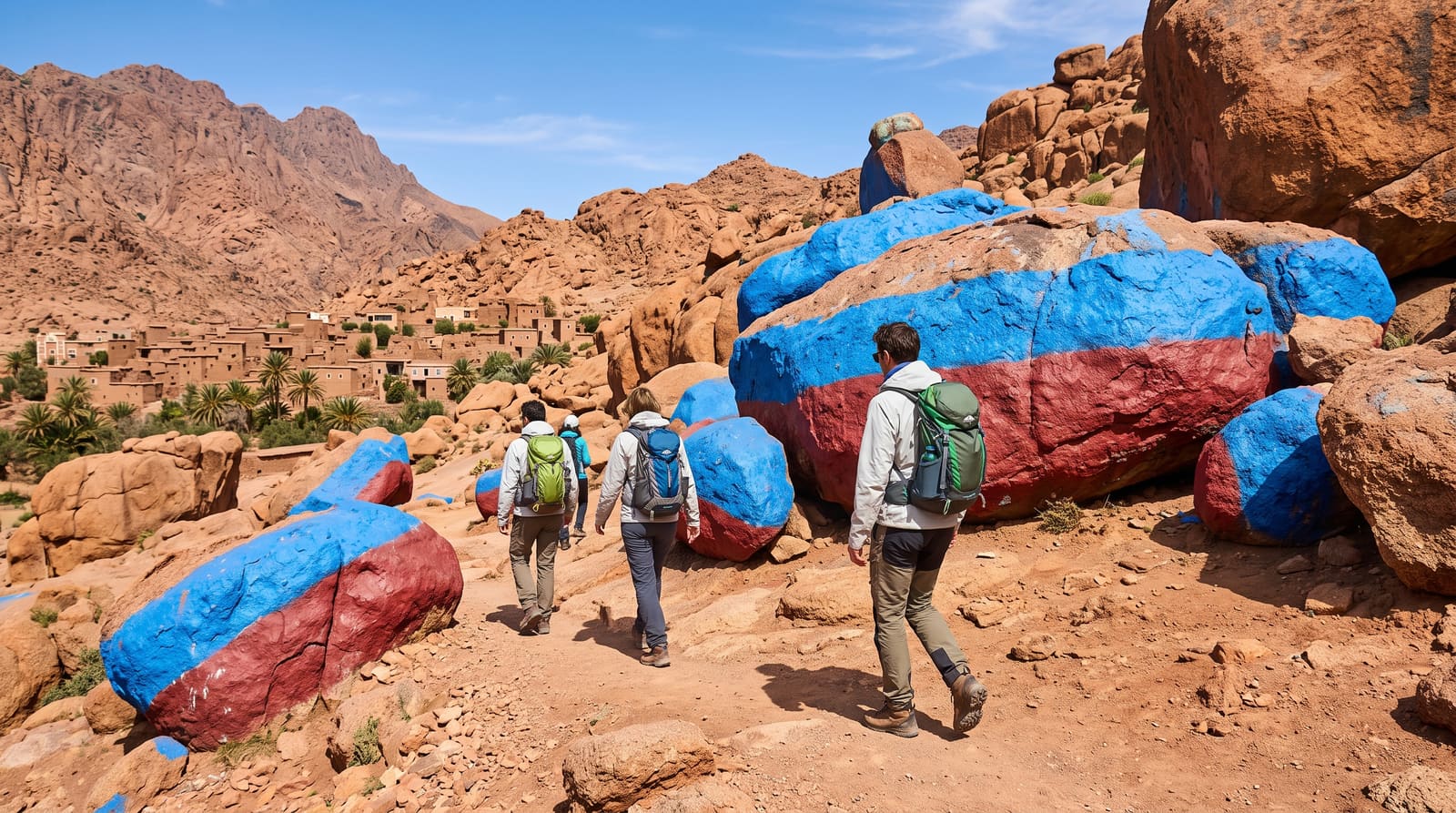
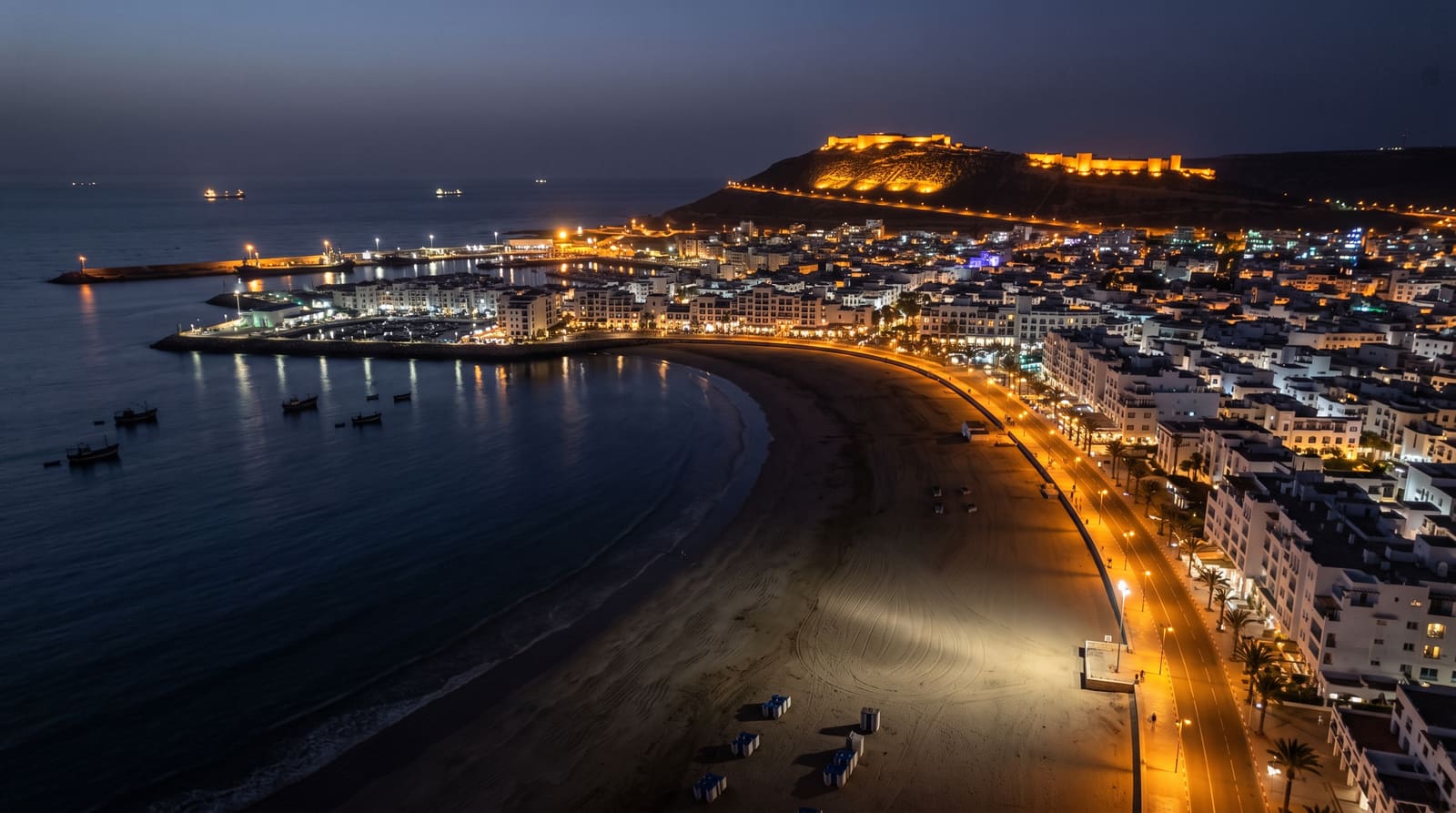
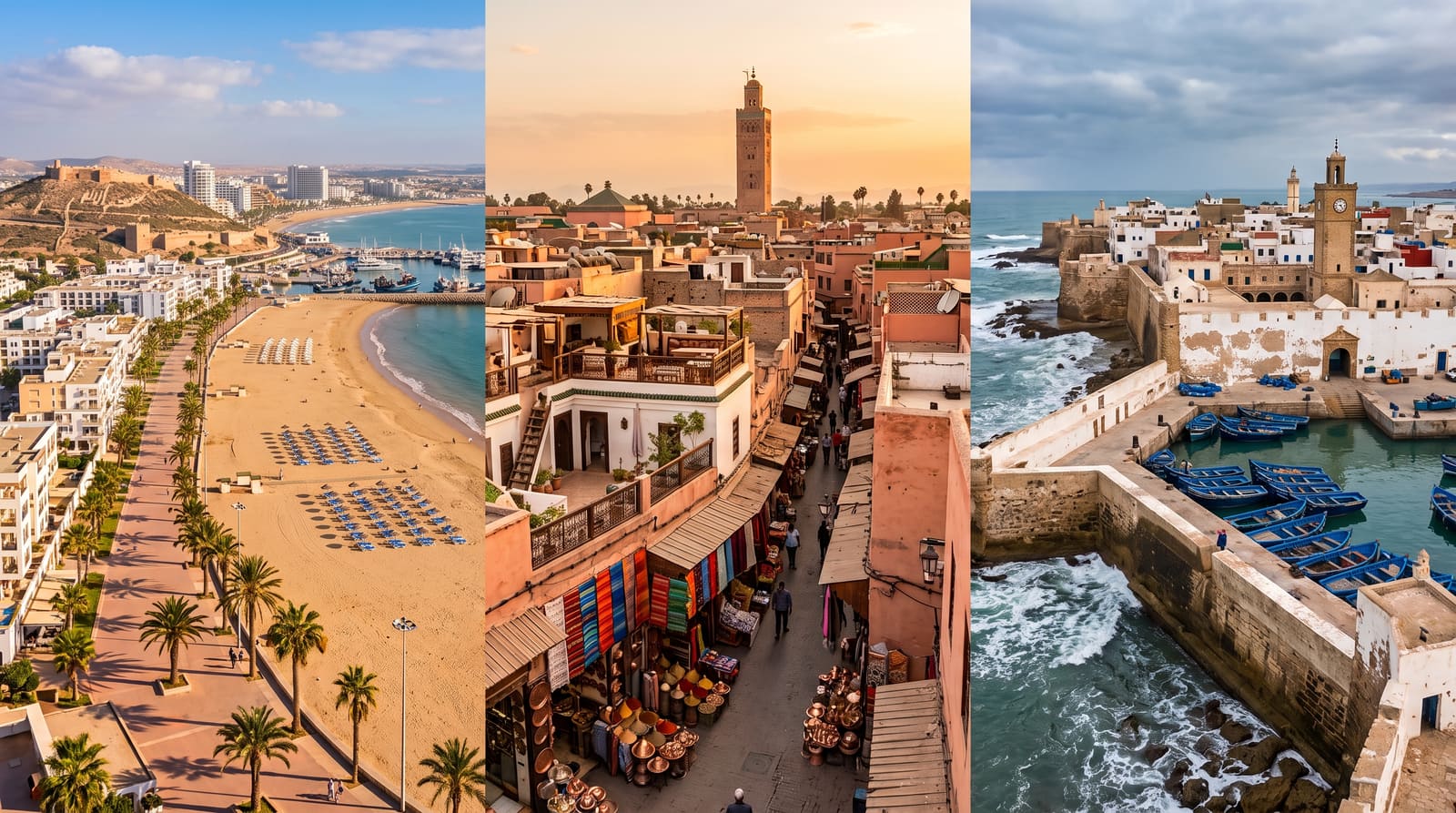
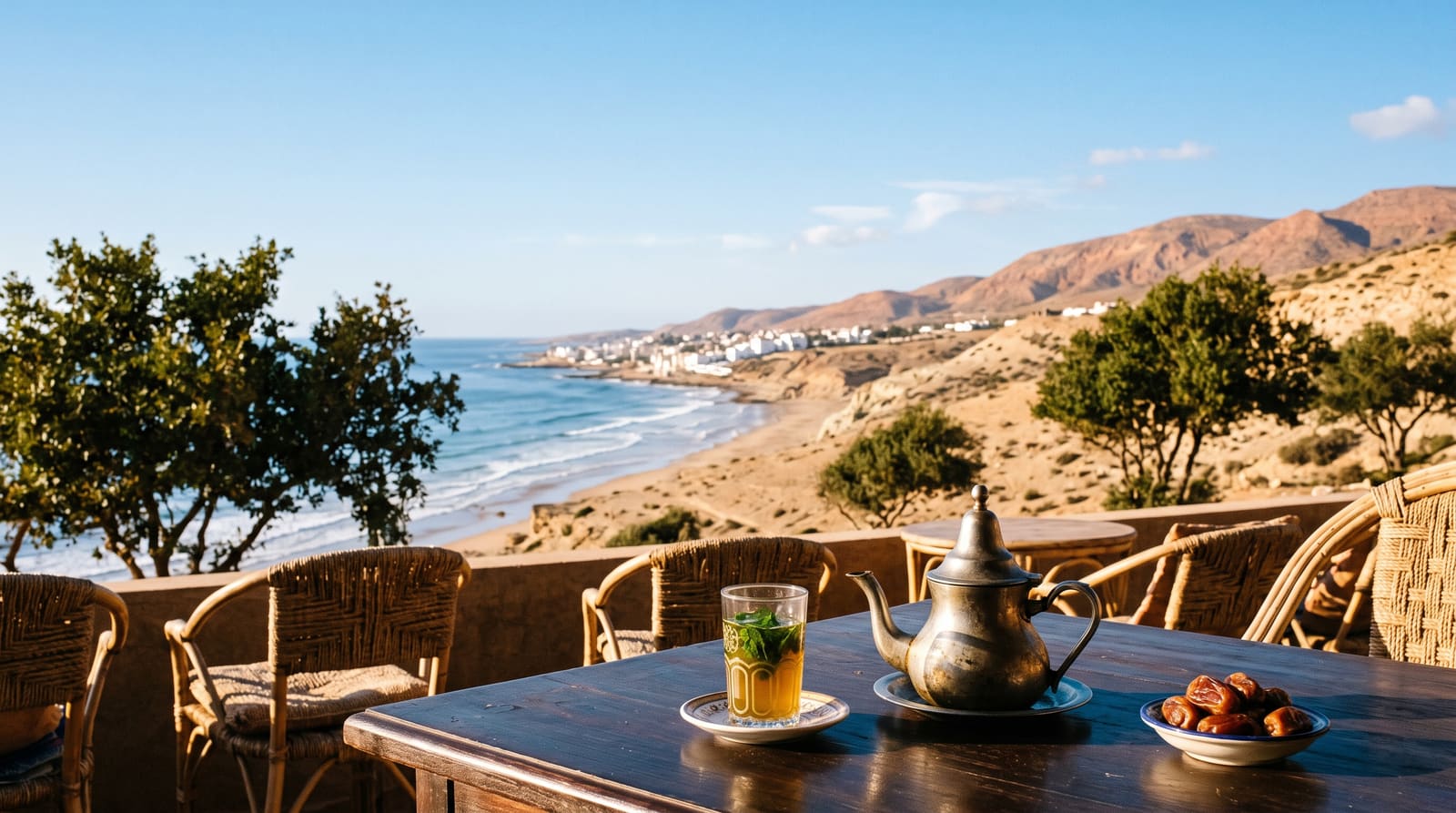
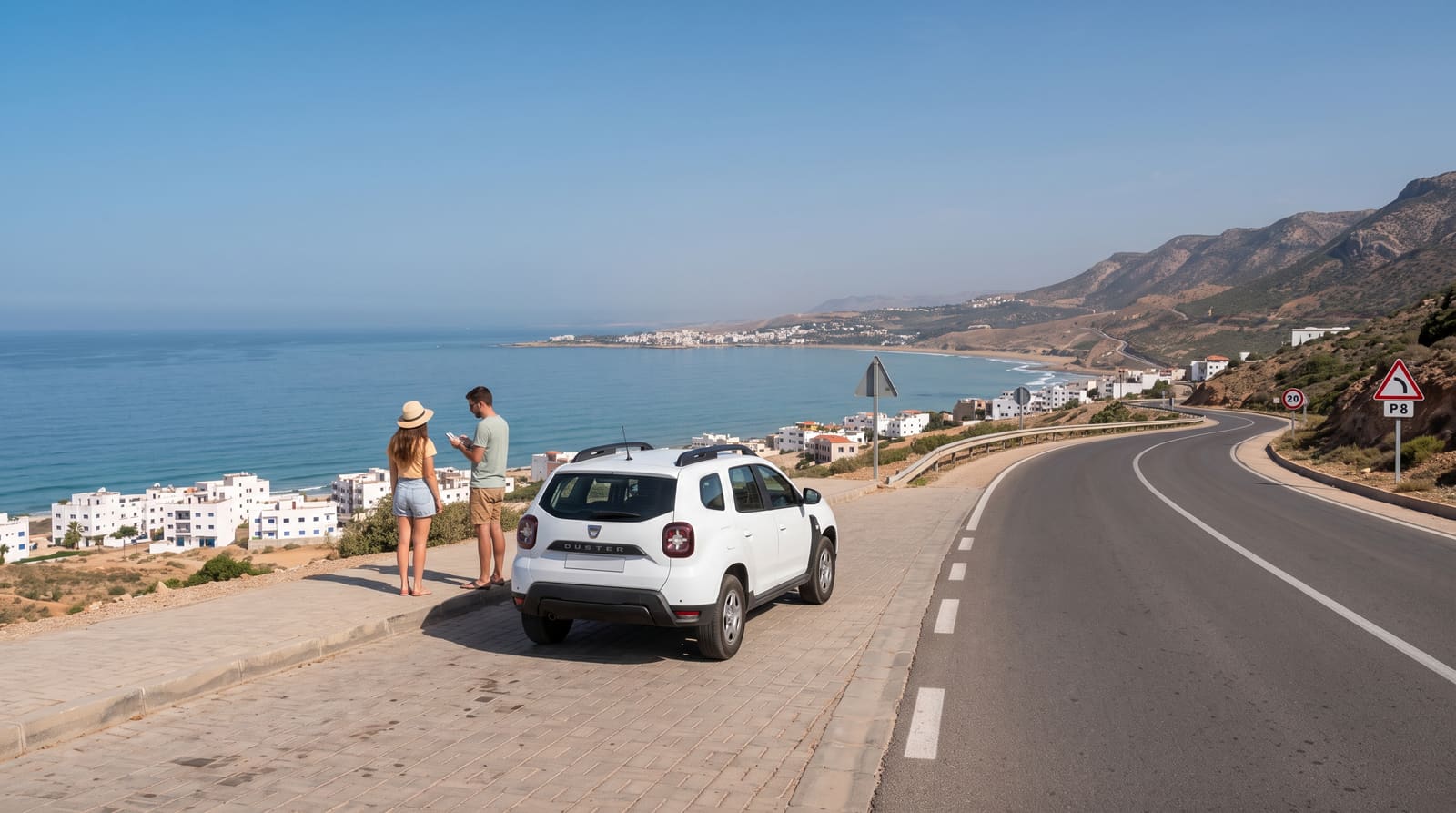
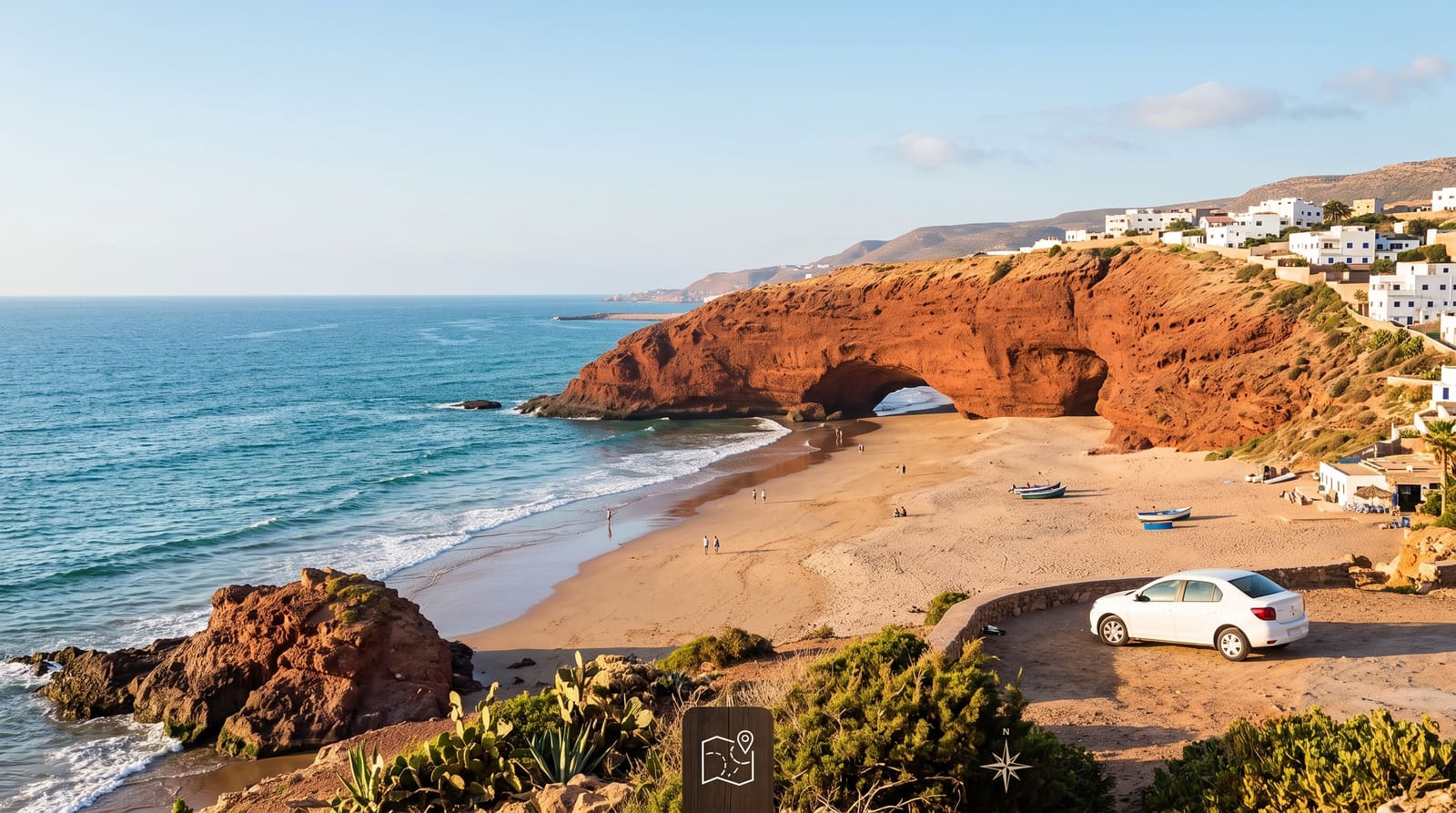
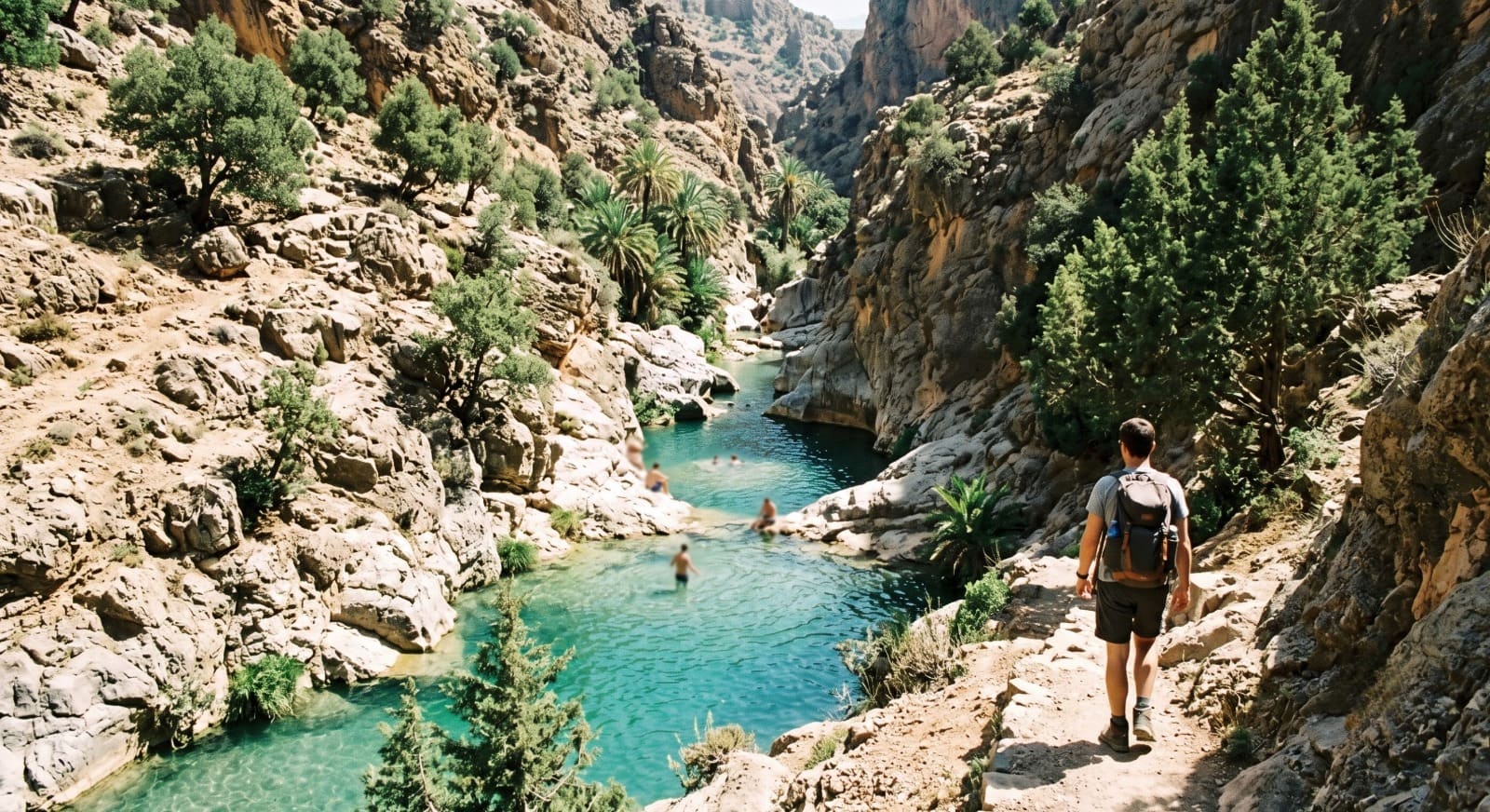
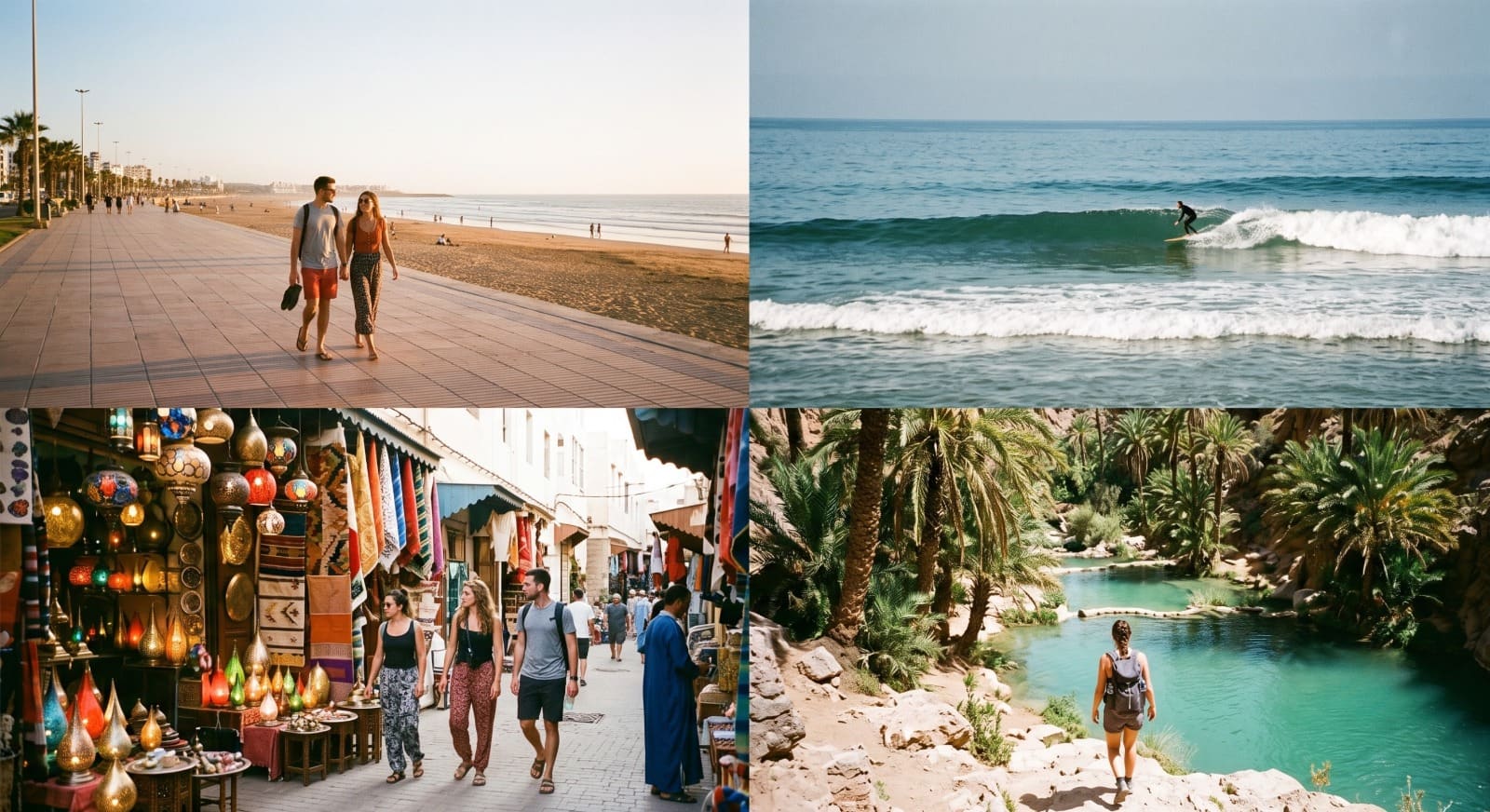
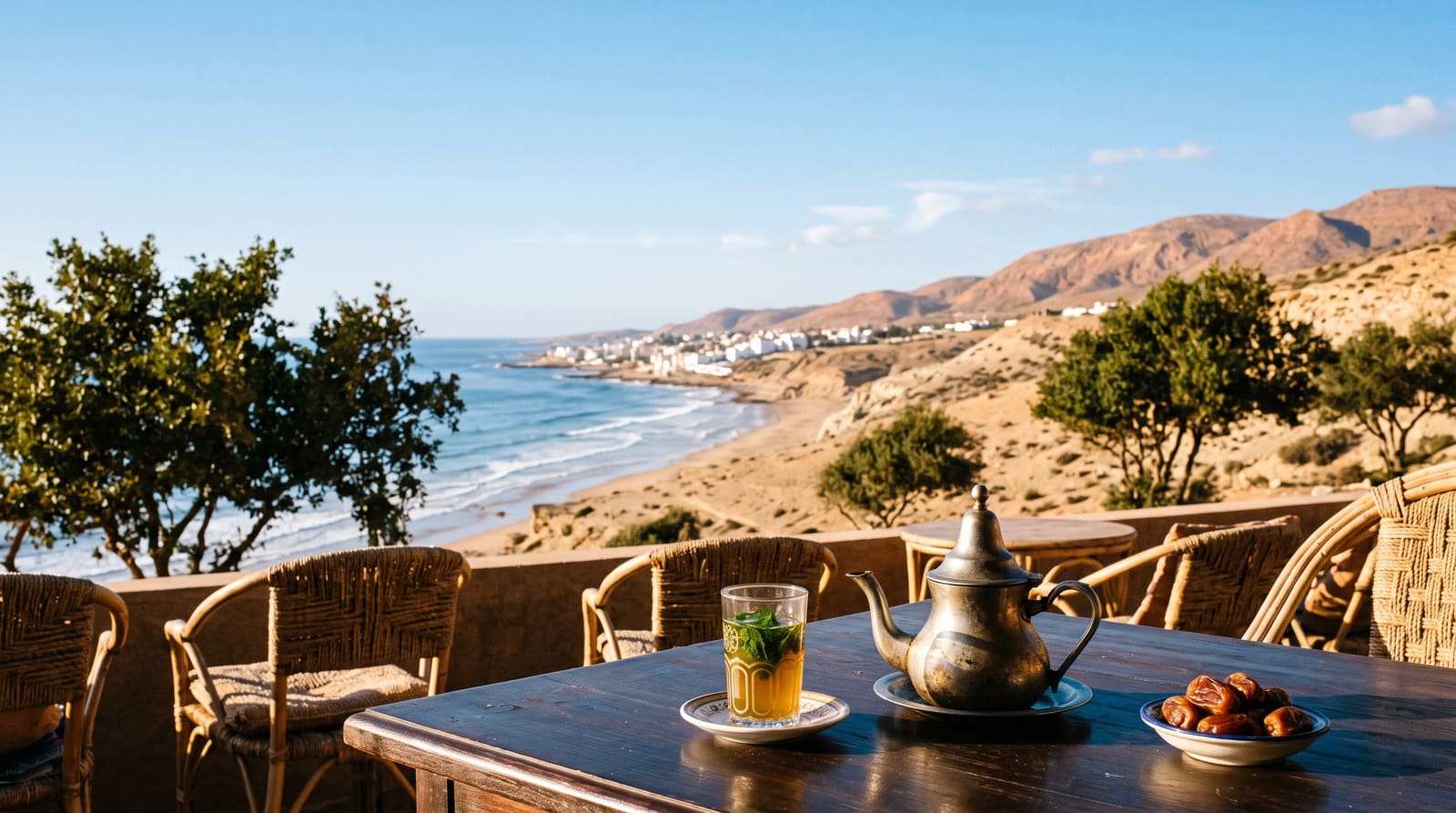
This is the practical case for building a Morocco trip around Agadir rather than the Imperial Cities circuit: Taghazout, Taroudant, Tafraout, Mirleft, and Imsouane are all within a two-to-three-hour radius of a single base, which means you get real variety — coast, mountains, a walled city, surf towns — without relocating your accommodation every one or two nights. You can pick a base in Agadir or Taghazout, and treat Taroudant or Tafraout as a day trip rather than a full move, keeping the logistics-reset cost to a minimum while still seeing genuinely different landscapes and towns.
What a Slower Itinerary Actually Looks Like Here
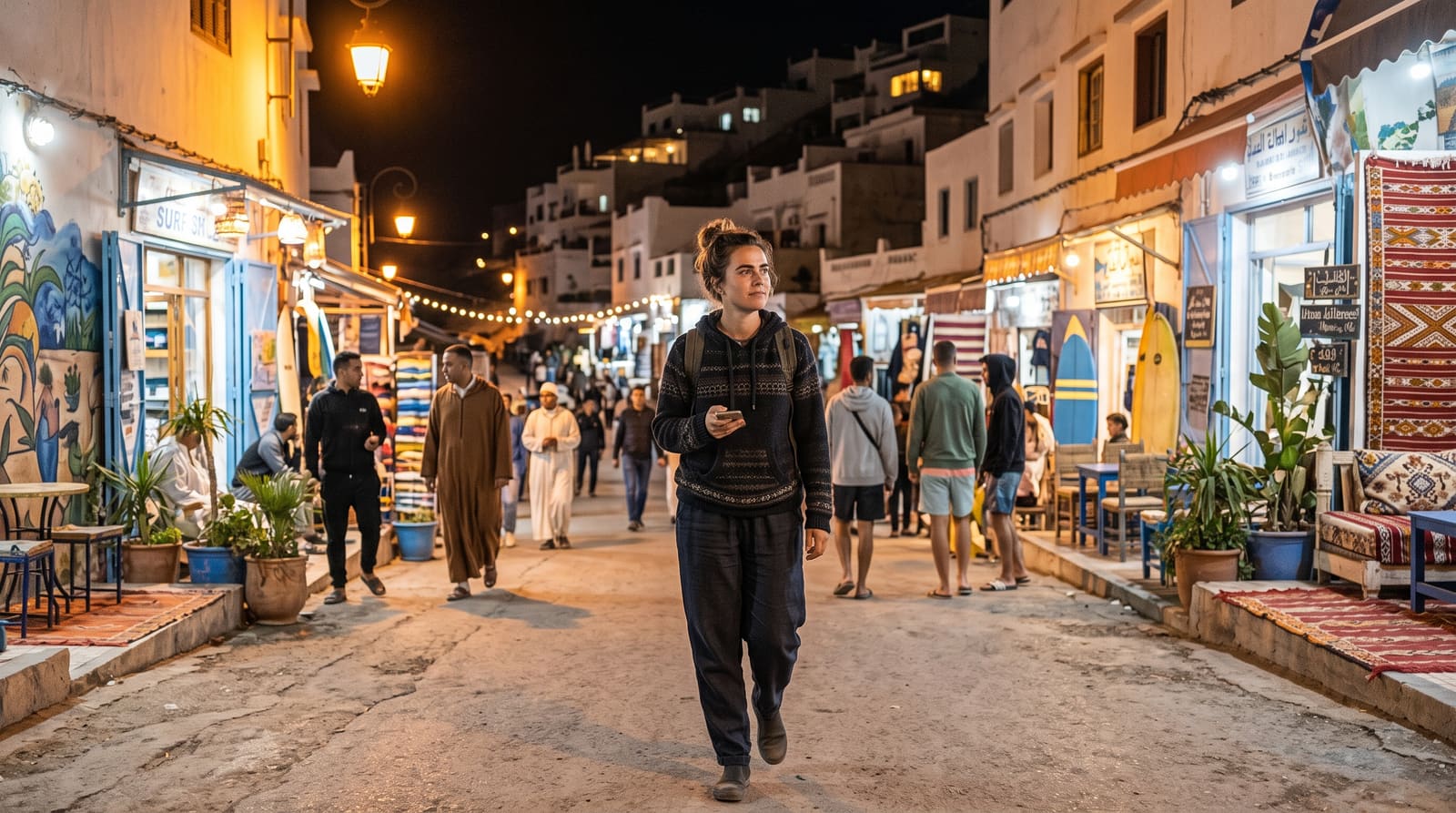
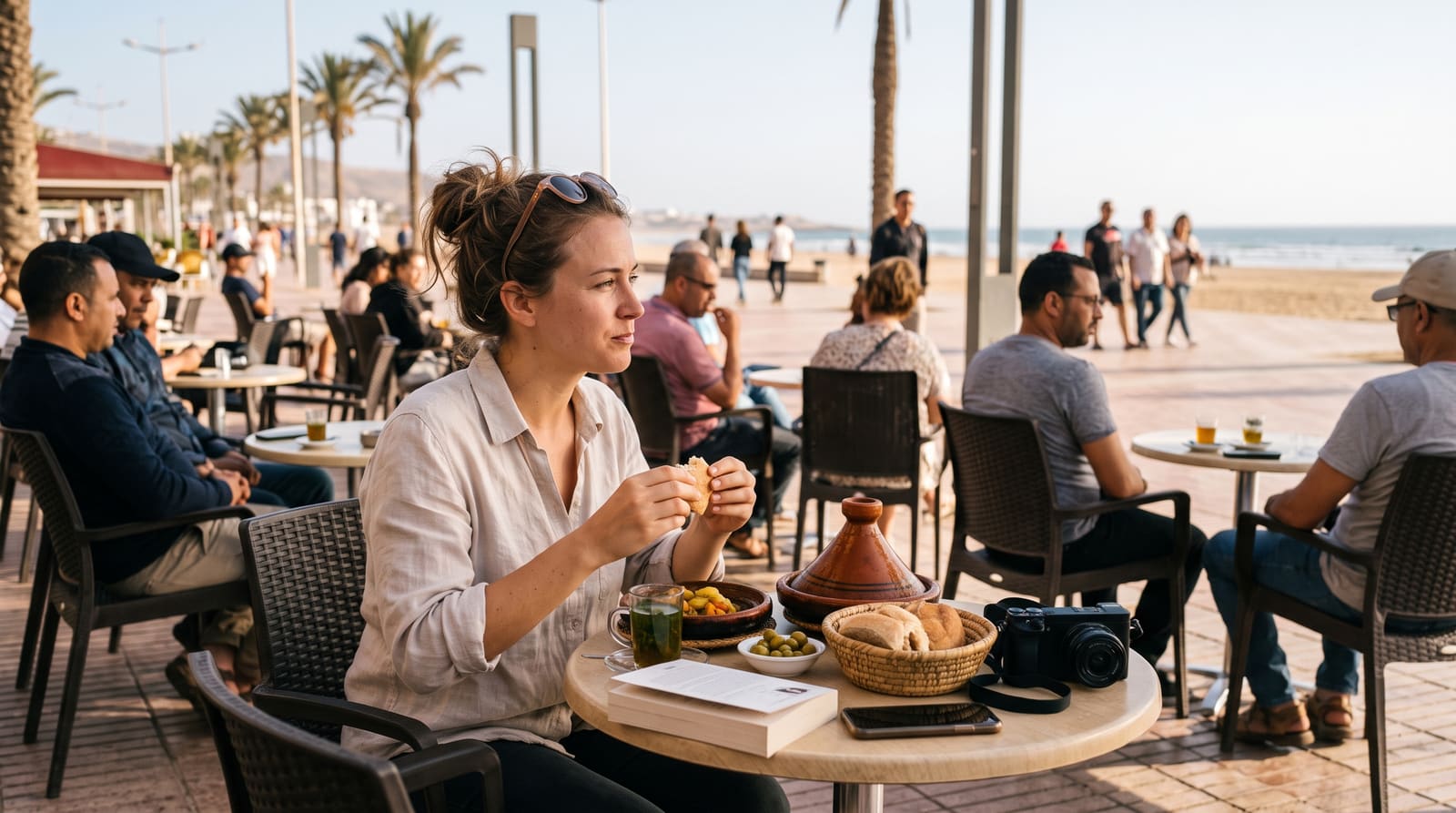
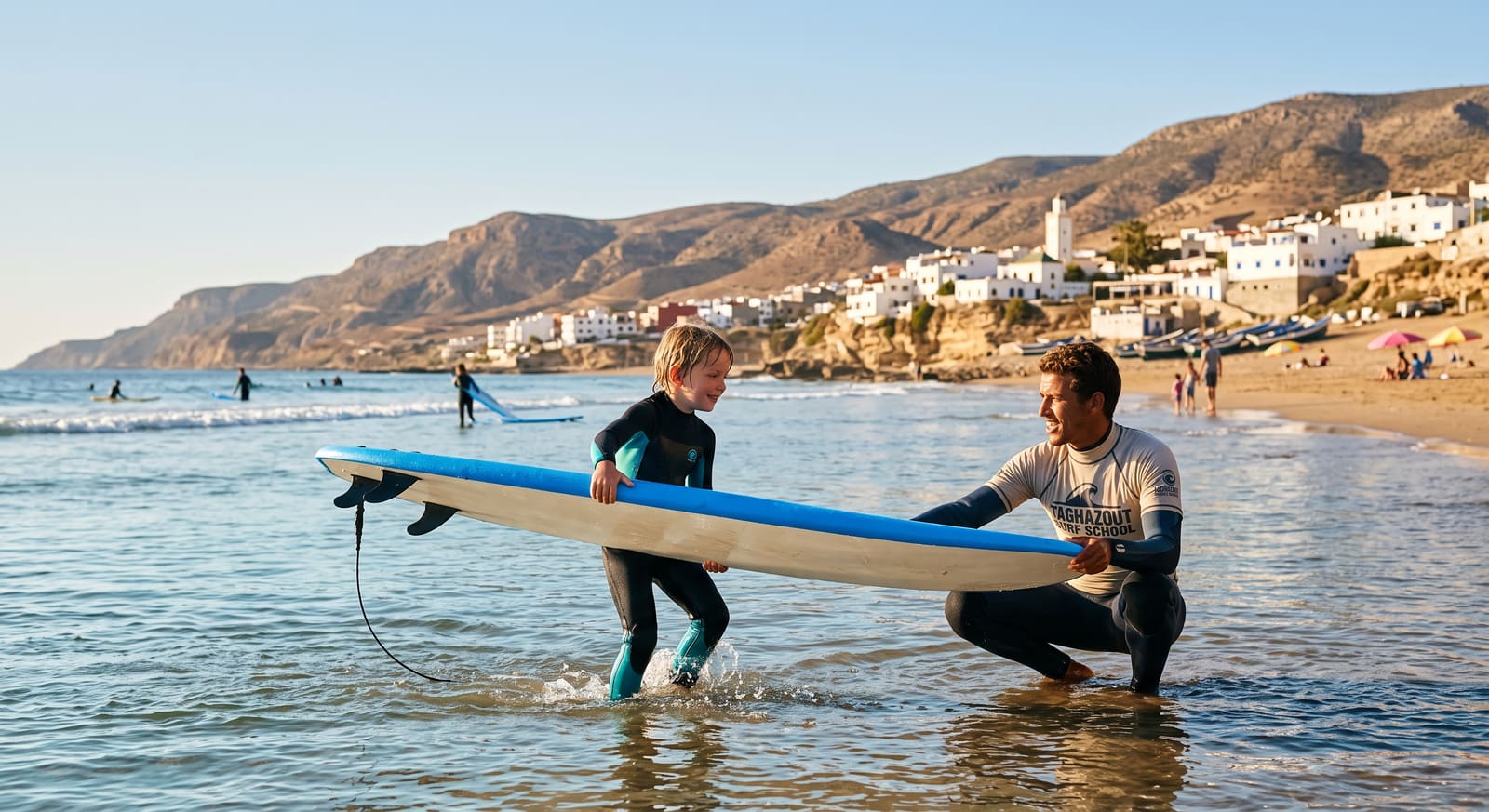
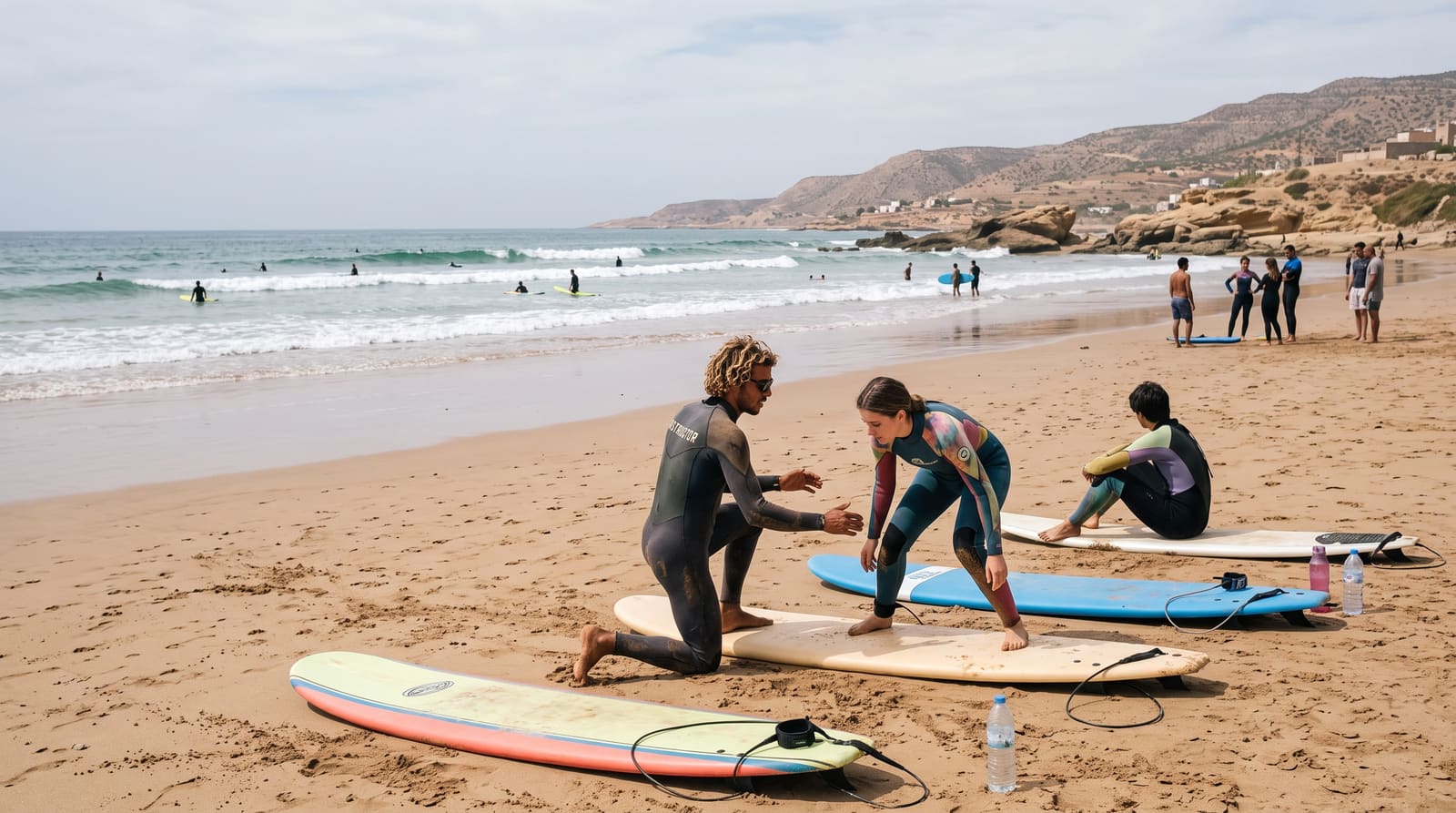
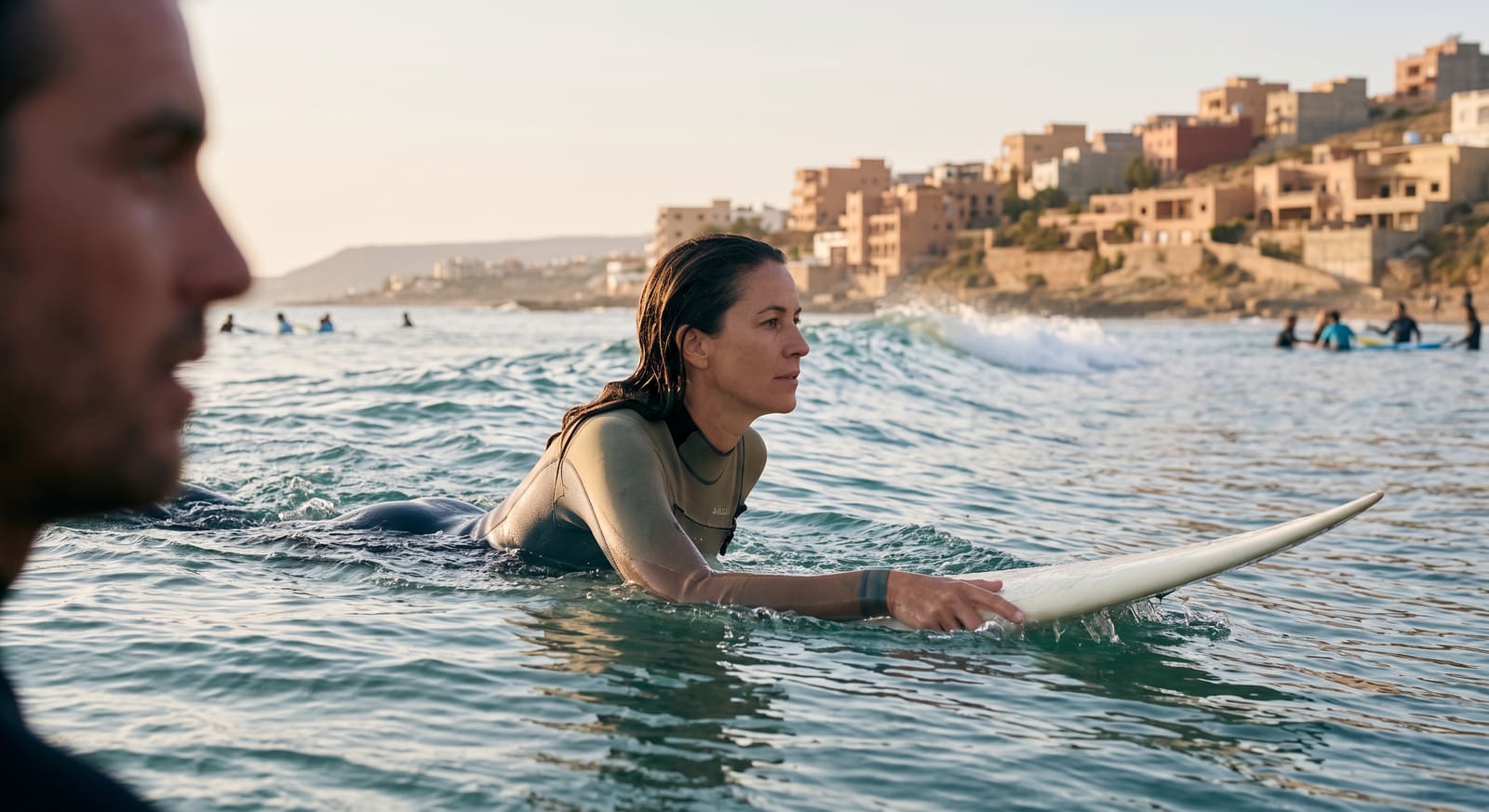
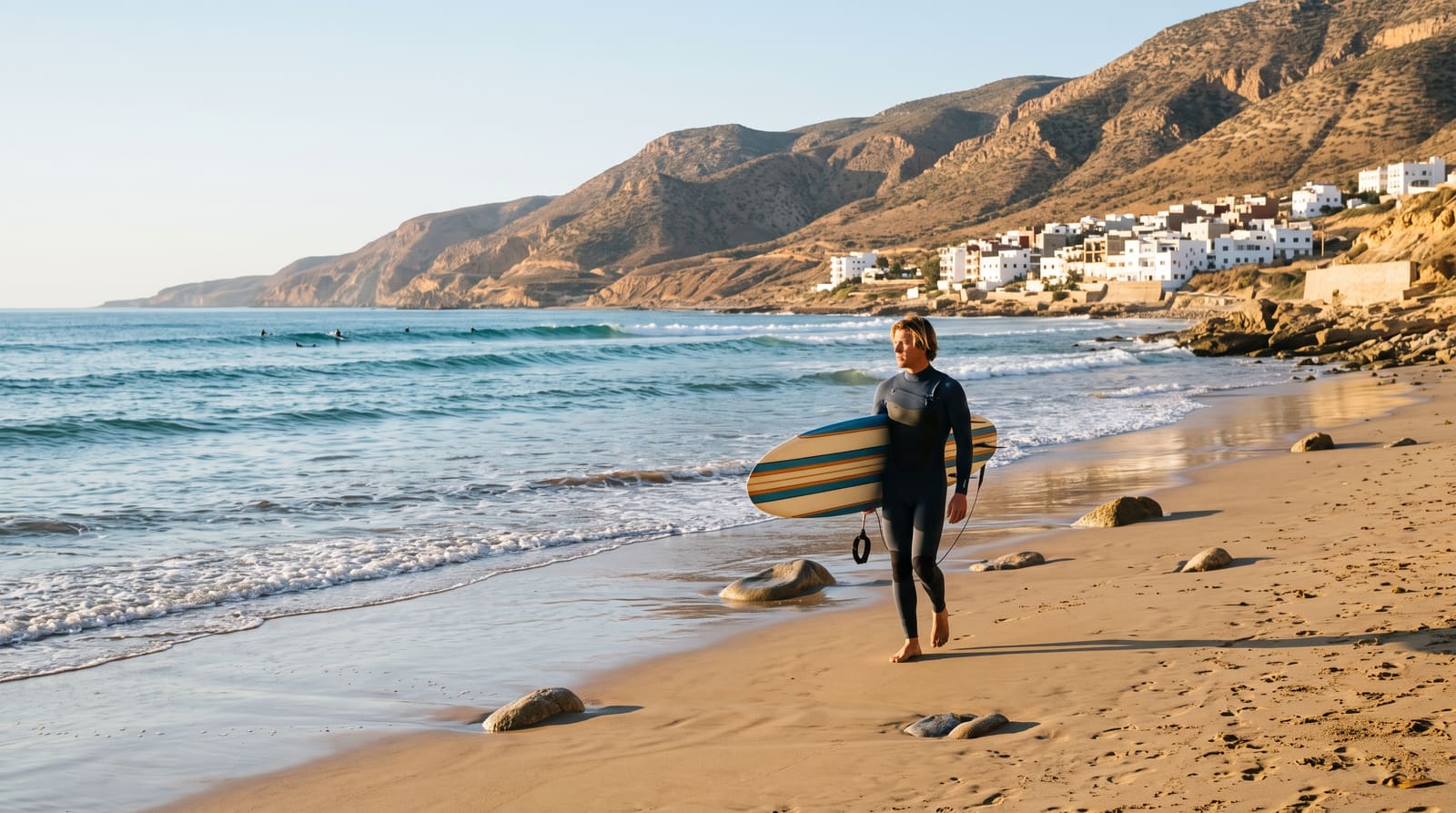
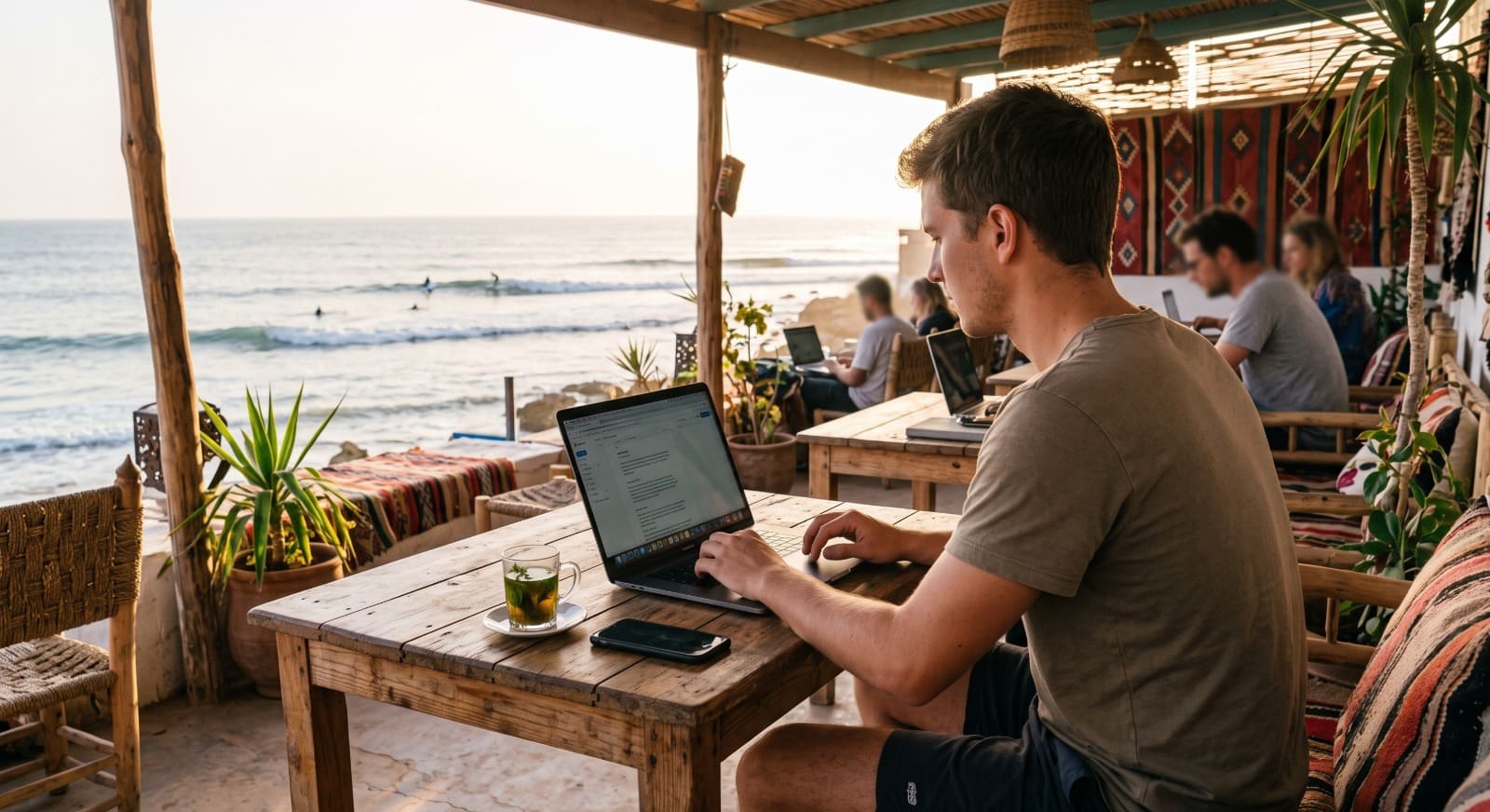
A week structured around slow travel principles might look like: three or four nights in Taghazout with unhurried surf mornings and open afternoons, a day trip to Taroudant, a fuller day given to Tafraout given its longer drive, and the rest left deliberately open rather than filled. Compare that to a typical packed week covering Marrakech, Essaouira, and the desert — objectively more “seen,” but with almost every day involving a transfer, a new check-in, and a fresh set of logistics to solve.
This Isn’t “Seeing Less” — It’s a Different Goal
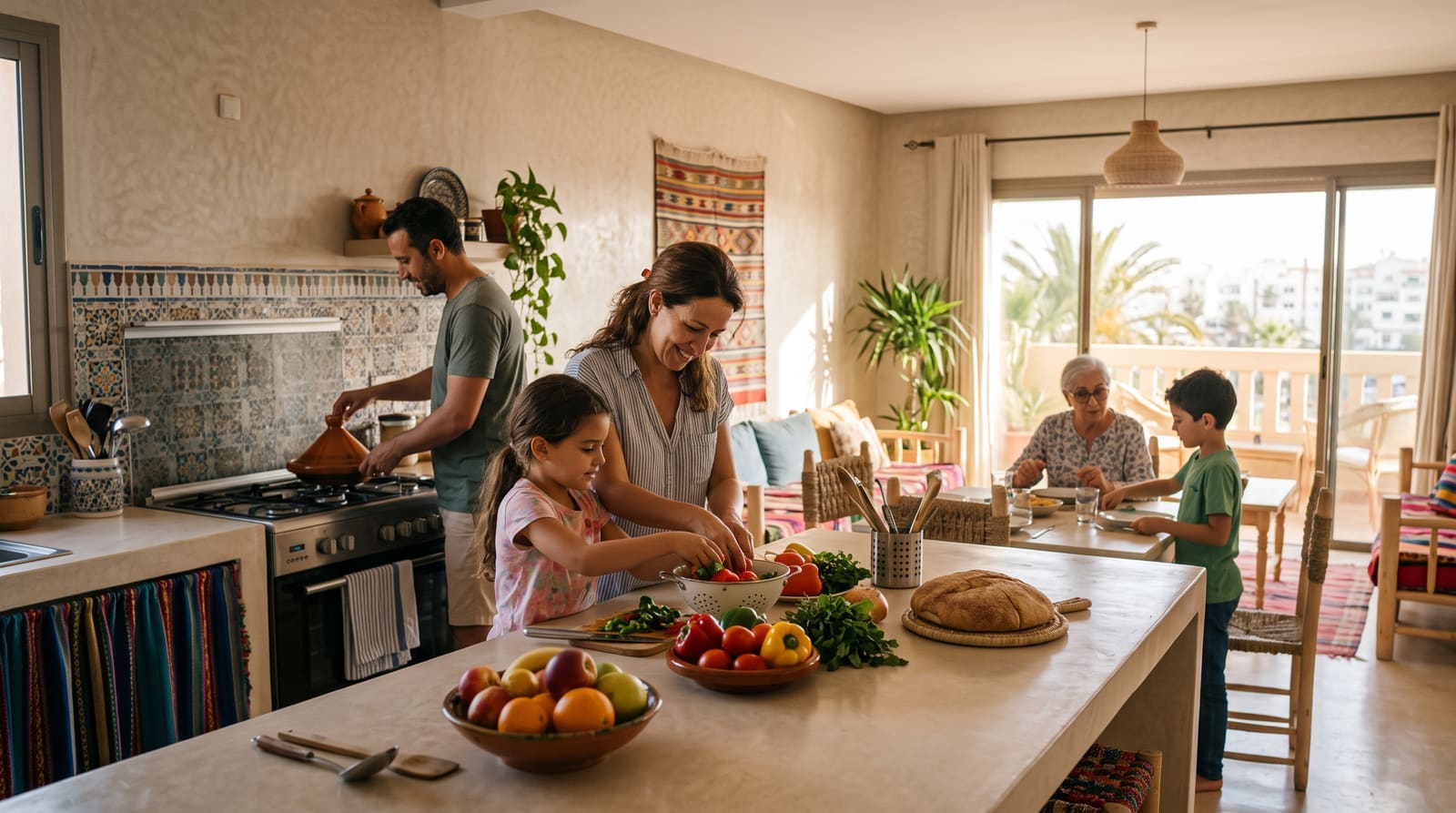
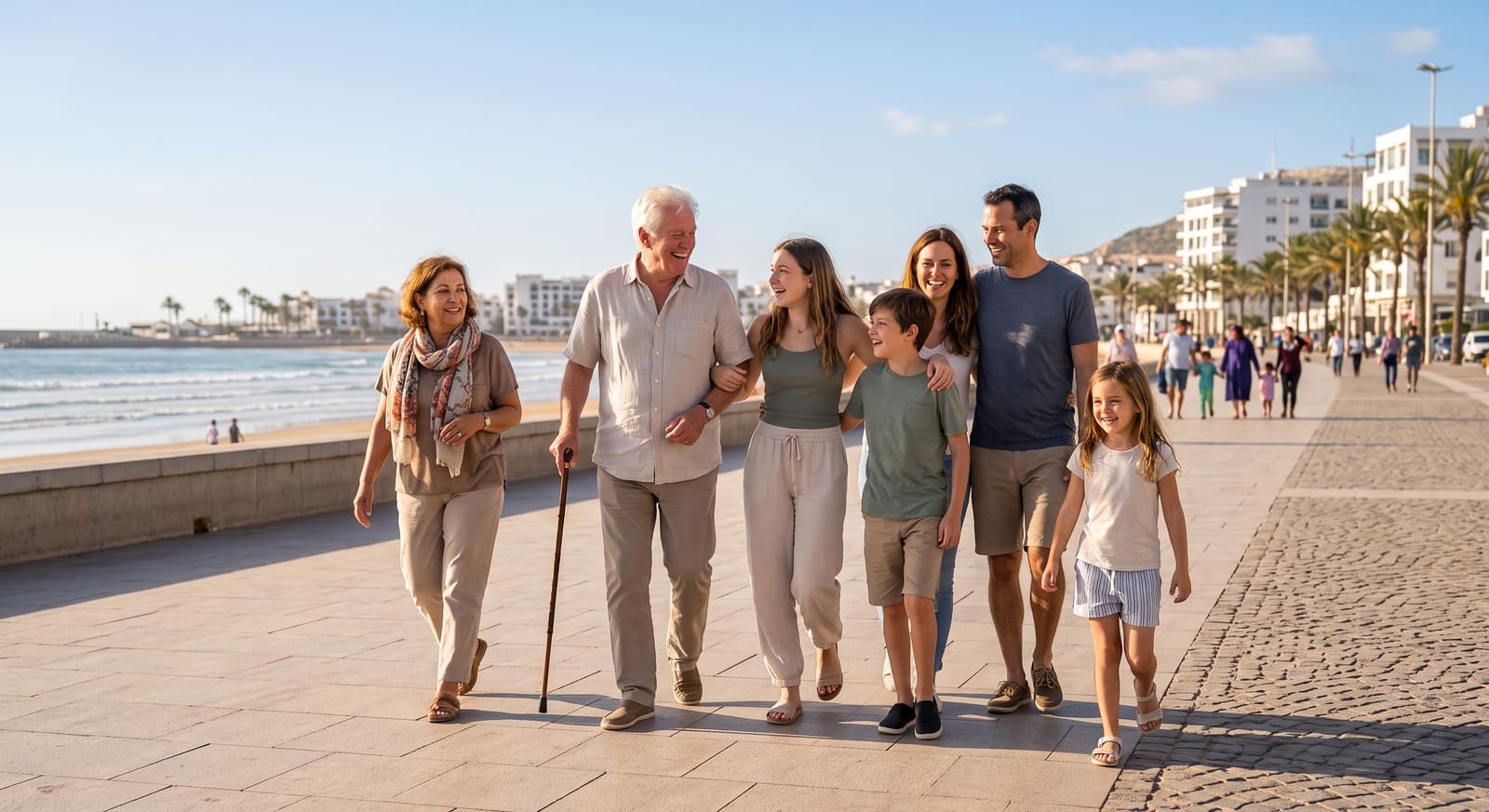
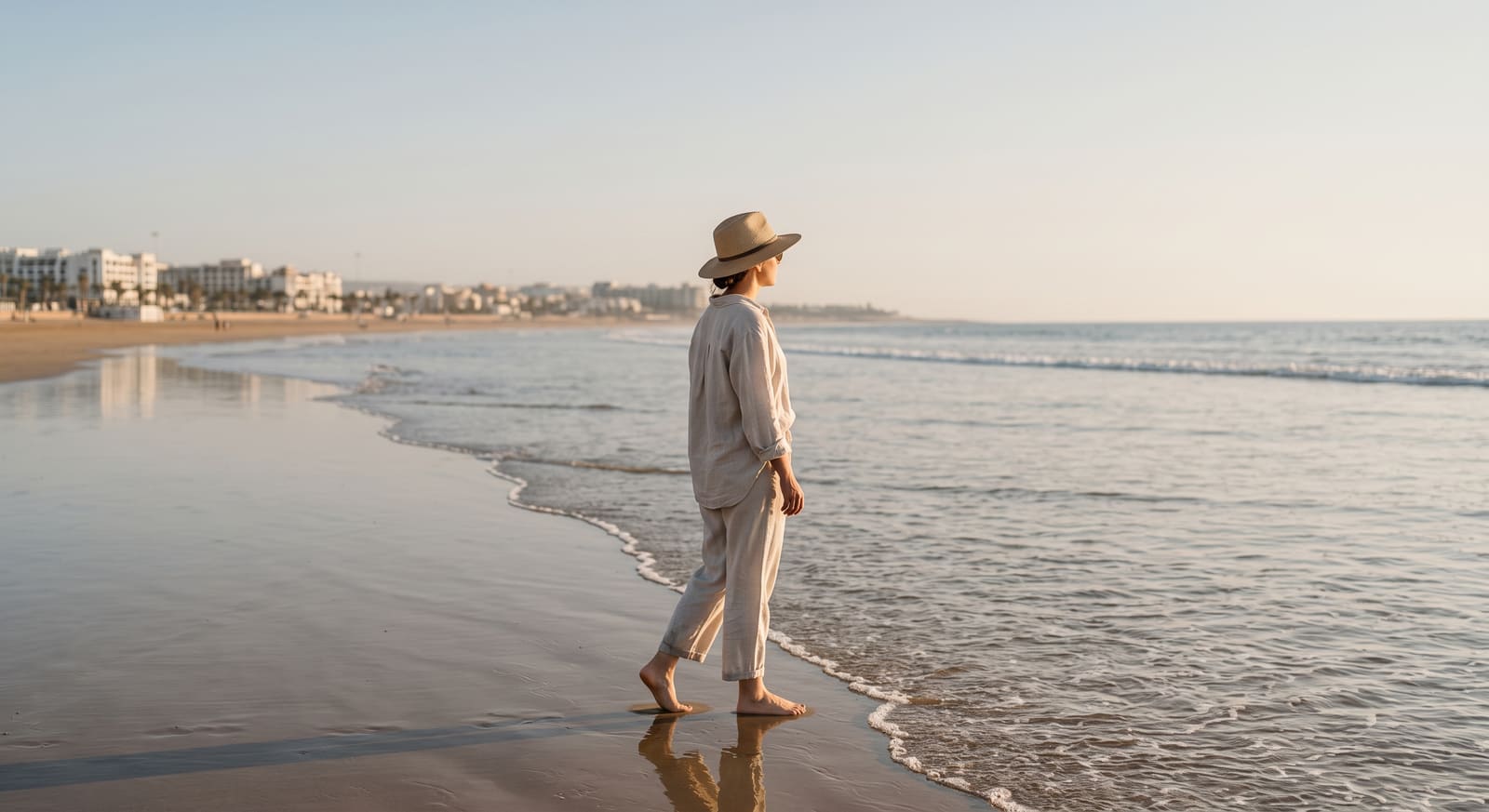
The instinct to resist slow travel usually comes from treating a trip’s value as a function of how many places you can list afterward. Slow travel just optimizes for something else: how much of what you did see, you actually remember and feel rested from. Neither goal is wrong, but they call for genuinely different itineraries, and it’s worth being honest with yourself about which one you’re actually planning for before you build a schedule that quietly works against it.
This is what Teefun’s swipe mechanic is actually for. Rather than generating a generic top-10 checklist, the app builds your itinerary around what you swipe toward — including fewer, deeper stops if that’s genuinely what you want from the trip. Download Teefun free.
Conclusion
Morocco’s default itinerary shape rewards covering distance, and there’s nothing wrong with that if it’s genuinely your goal. Slow travel is the deliberate alternative: fewer relocations, less repeated logistics-solving, and more time to actually settle into a place rather than pass through it. The Souss-Massa region, with Agadir as a natural base and several distinct day trips within a couple of hours, is structurally suited to this in a way a cross-country circuit isn’t — the geography does some of the work for you, if you let it.
Frequently Asked Questions
Is slow travel just a trend, or is there real research behind it?
Slow tourism is a genuine academic research area with its own frameworks and a growing body of published work, tracing back to the slow food movement. Recent tourism research has also begun studying fast versus slow travel preferences directly as a design factor in itineraries.
Why does Morocco’s typical itinerary feel so exhausting?
The country’s signature destinations — Marrakech, Fes, Chefchaouen, the Sahara — are spread far apart, so a short first-time trip covering all of them is structurally built around transit and relocation rather than depth, regardless of how it’s planned.
Is the Souss-Massa region actually good for slow travel?
Yes — Taghazout, Taroudant, Tafraout, Mirleft, and Imsouane all sit within a two-to-three-hour radius of Agadir, which means real variety in landscape and towns without needing to relocate accommodation every night or two.
Does slow travel mean seeing less of Morocco?
It means prioritizing depth over coverage. You’ll likely visit fewer named places, but with meaningfully more time in each — a different goal from a checklist-style trip, not a worse one.
How does Teefun help with planning a slower-paced trip?
The swipe onboarding lets you weight your itinerary toward relaxed, fewer-stop days rather than defaulting to a packed, generic list of top attractions.