Teefun local team
Unwanted Attention in Morocco: The Honest Answer
Unwanted attention in Morocco is mostly verbal street harassment and persistent touts, not physical danger. For most solo women it is a tiring nuisance rather than a safety threat, and the most reliable fix is not engaging: skip eye contact, keep walking with purpose, and say one firm “La, shukran” (no, thank you).
That is the most consistent finding across accounts from solo women who have traveled Morocco extensively, and it is not a way of minimizing something genuinely tiring to deal with. It means going in with the right kind of preparation (how to respond, what to expect) rather than the wrong kind of fear.
Street Harassment in Morocco: What It Actually Looks Like Day to Day
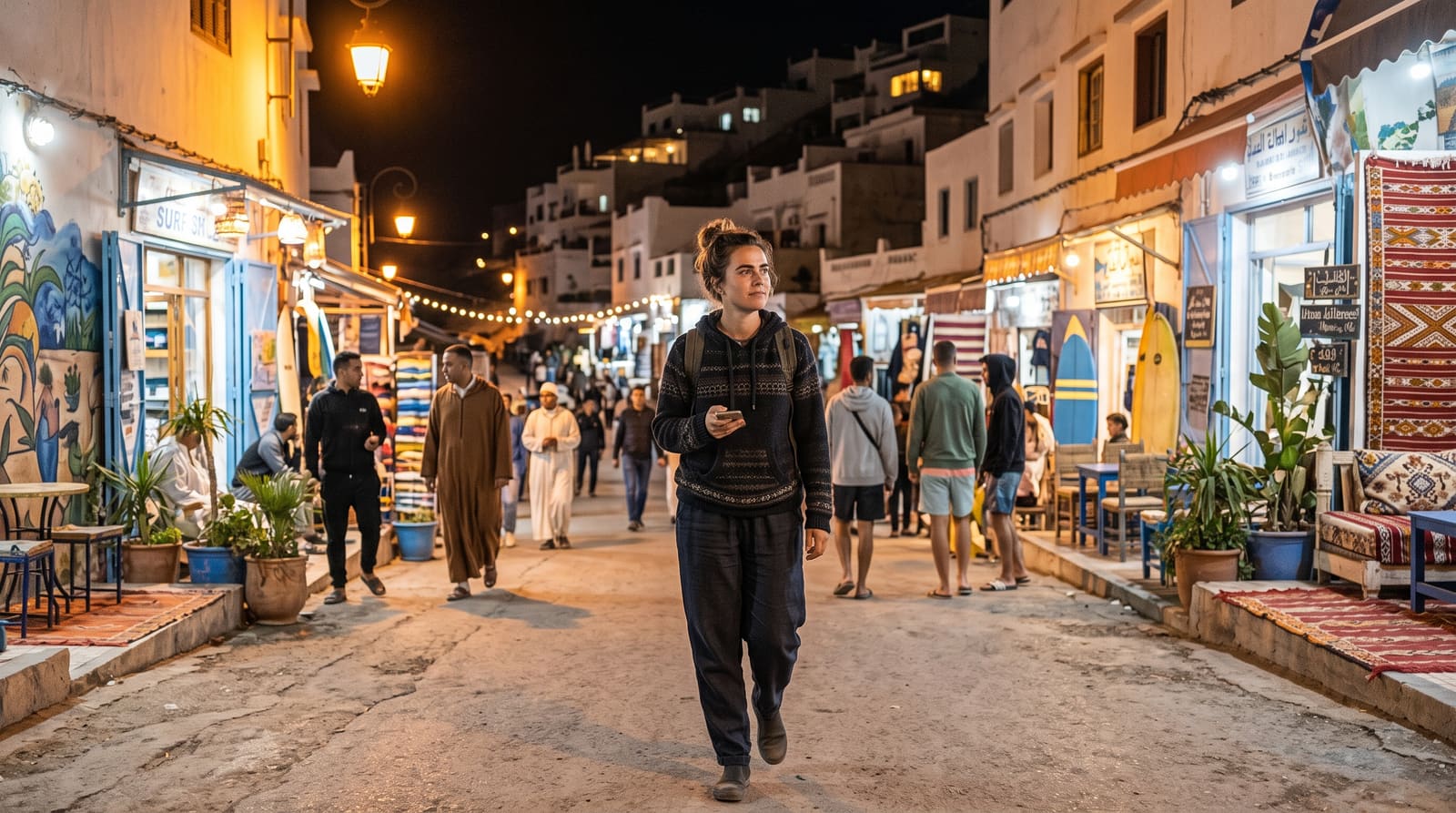
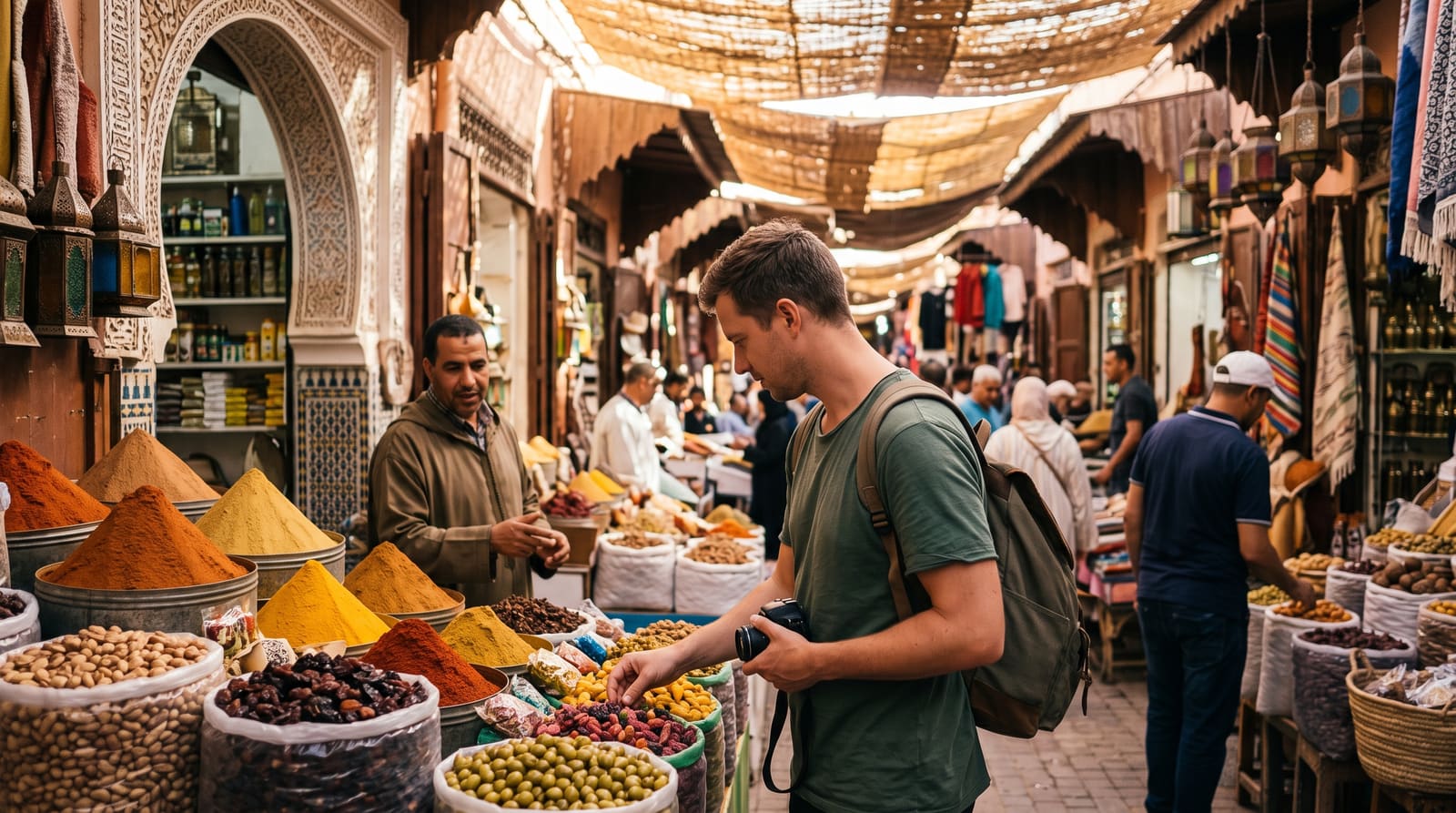
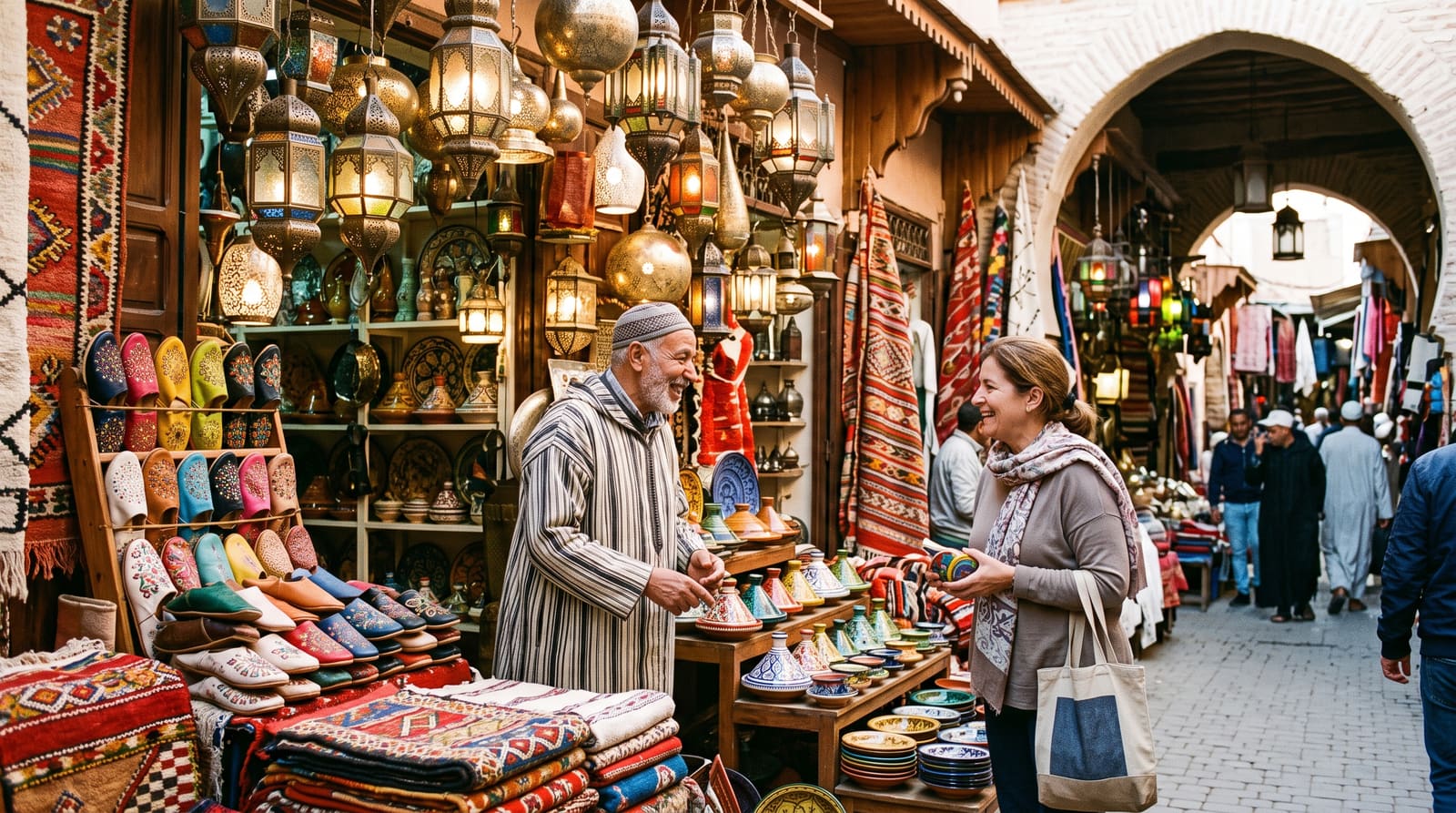
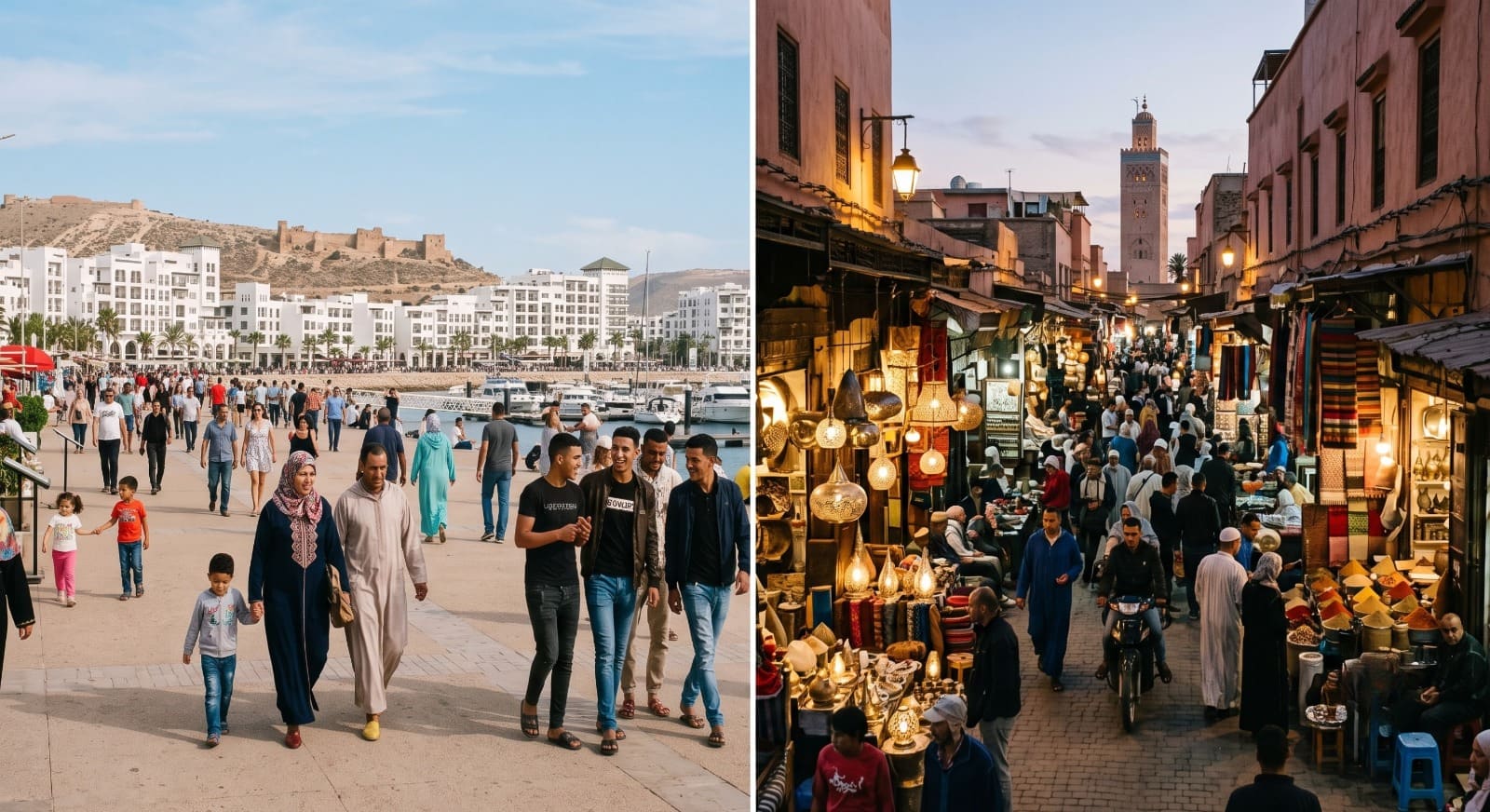
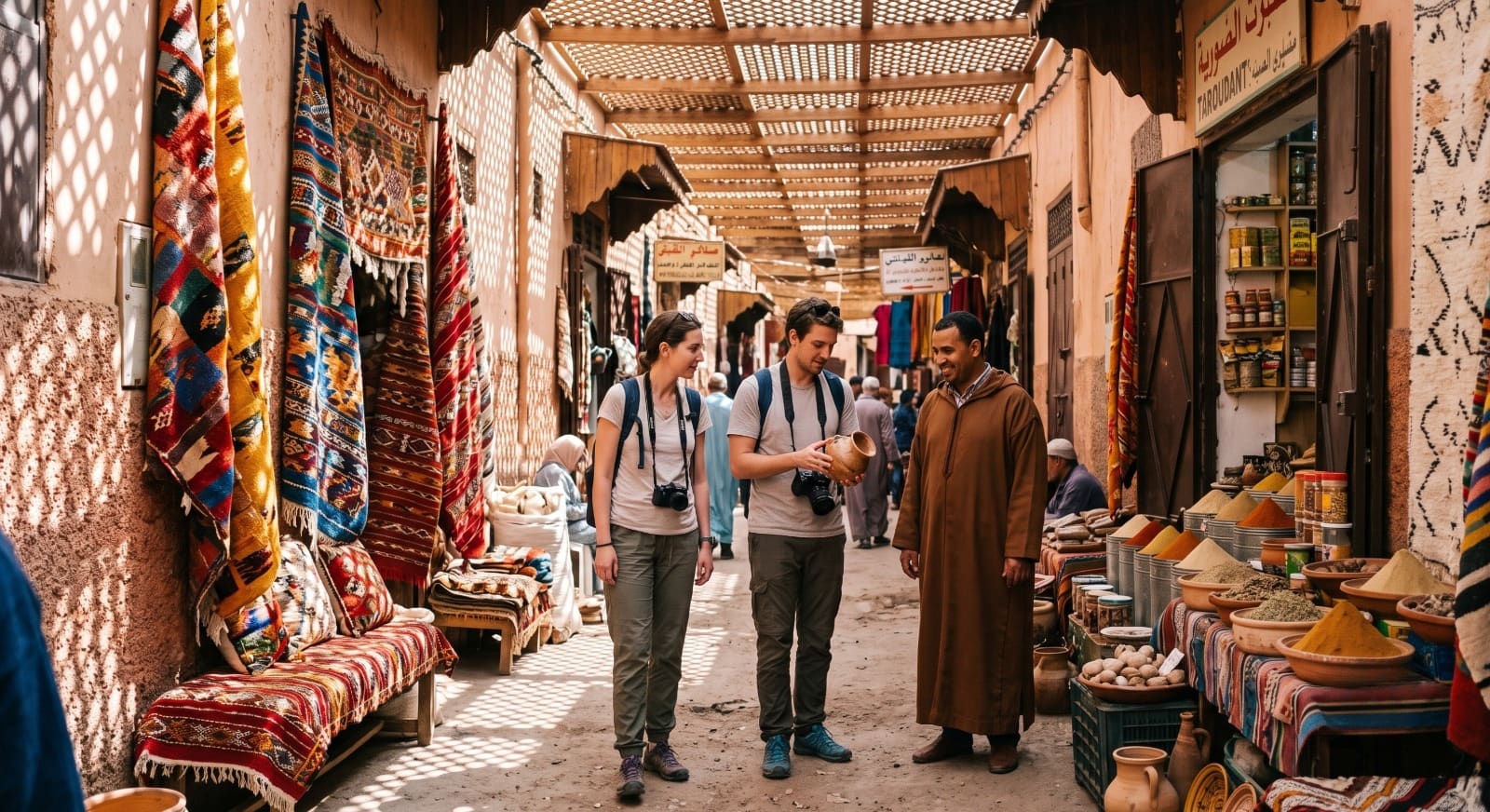
In practice, this usually means comments while walking through markets or busy streets, persistent attempts to get your attention from touts or shopkeepers, and occasional staring or leering. It’s described consistently as more about a lack of everyday respect and a particular (unfortunate) perception of Western women than anything calculated or malicious in most cases. That framing doesn’t make it pleasant to experience, but it does change how to respond to it — as background noise to manage, not a threat to escalate against.
How to Respond to Catcalling in Morocco: Don’t Engage
Across nearly every account from experienced solo travelers, the same core advice repeats: don’t engage. Avoiding eye contact, wearing sunglasses, keeping headphones in, and walking with clear purpose and direction all reduce the likelihood of being approached in the first place. If someone does try to get your attention, a single firm “La, shukran” (no, thank you) — delivered once, without further explanation or engagement — tends to end the interaction faster than any attempt to reason, argue, or over-explain.
Marriage Proposals in Morocco: Take Them Less Seriously Than They Sound
This catches a lot of first-time visitors off guard: marriage proposals from strangers are genuinely common in Morocco, and they’re almost never meant literally. It’s closer to an exaggerated, culturally specific version of a compliment than an actual proposal — the practical equivalent of “you look nice today” in many Western contexts. A smile and a polite “no thanks” is the normal, entirely sufficient response, and there’s no need to treat it as anything more serious than it’s intended to be.
The Fake Wedding Ring Question
Wearing a wedding ring, whether genuinely married or not, and mentioning a husband (even an invented one) if asked about relationship status, is one of the most consistently recommended practical tactics across solo female travel accounts specifically for this destination. It’s not an eccentric outlier suggestion — it’s mainstream, widely used advice, and worth considering if it feels like a reasonable, low-effort tool to have available rather than something to feel strange about.
If Someone Won’t Stop
For the less common situation where someone is being persistent or the interaction feels like it’s escalating: walk into the nearest shop, restaurant, or riad and ask for help. This is a normal, accepted thing to do, and locals — especially Moroccan women — commonly step in to assist a visibly uncomfortable traveler. Showing clear disgust or making a visible fuss if someone gropes you or won’t back off is also consistently described as effective, since it draws attention and support from bystanders rather than being seen as an overreaction.
A Café Etiquette Detail Worth Knowing
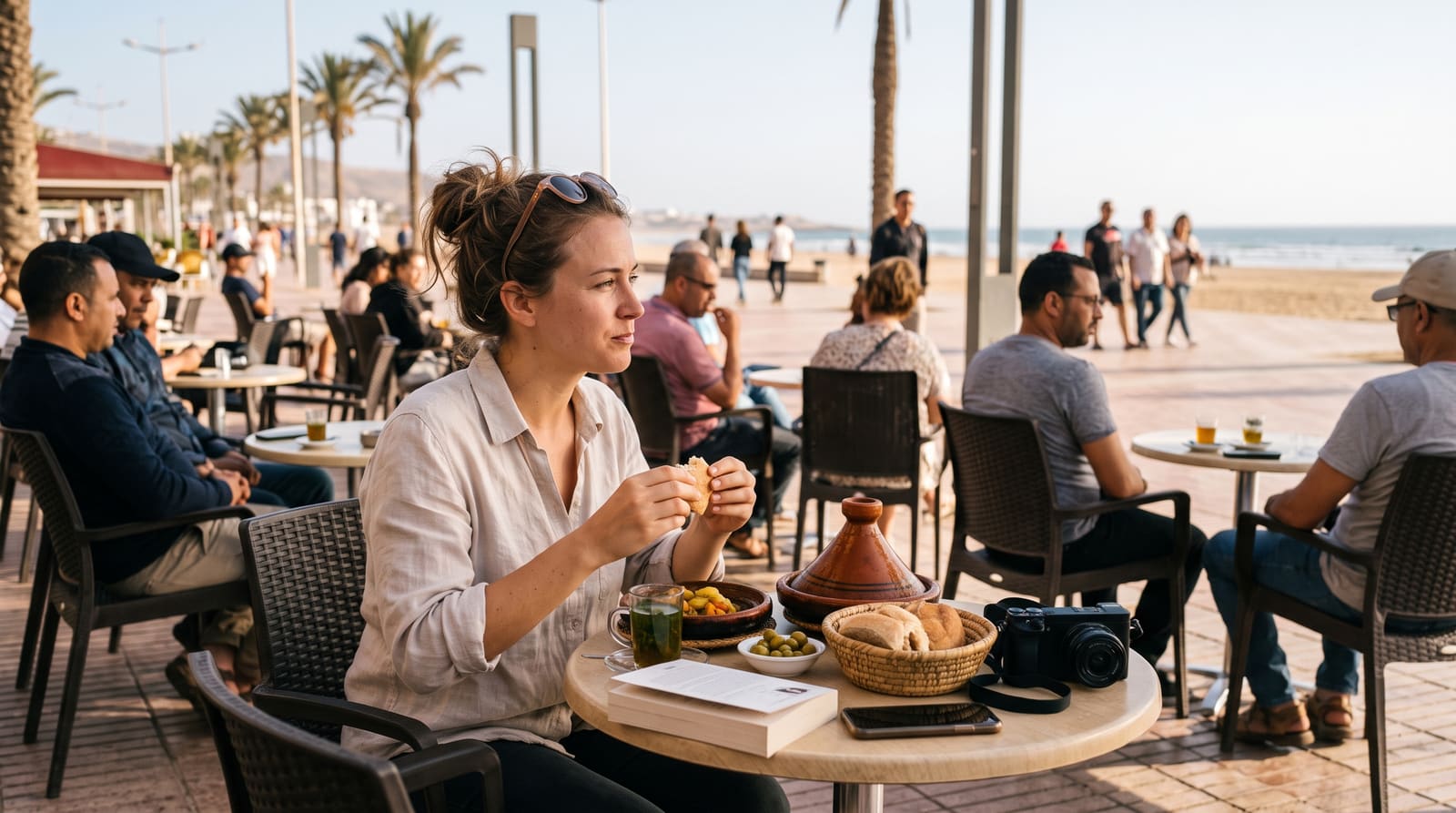
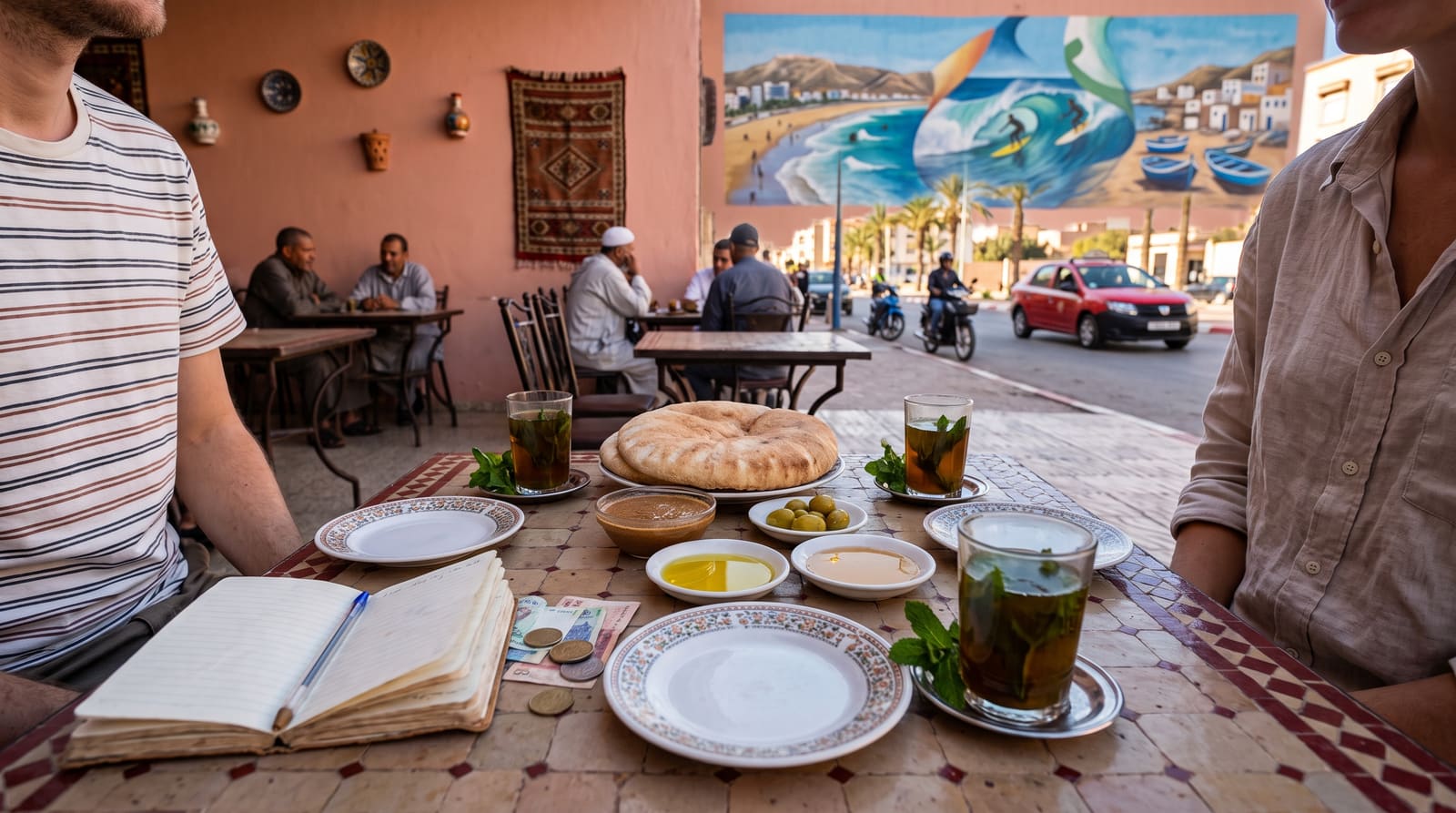
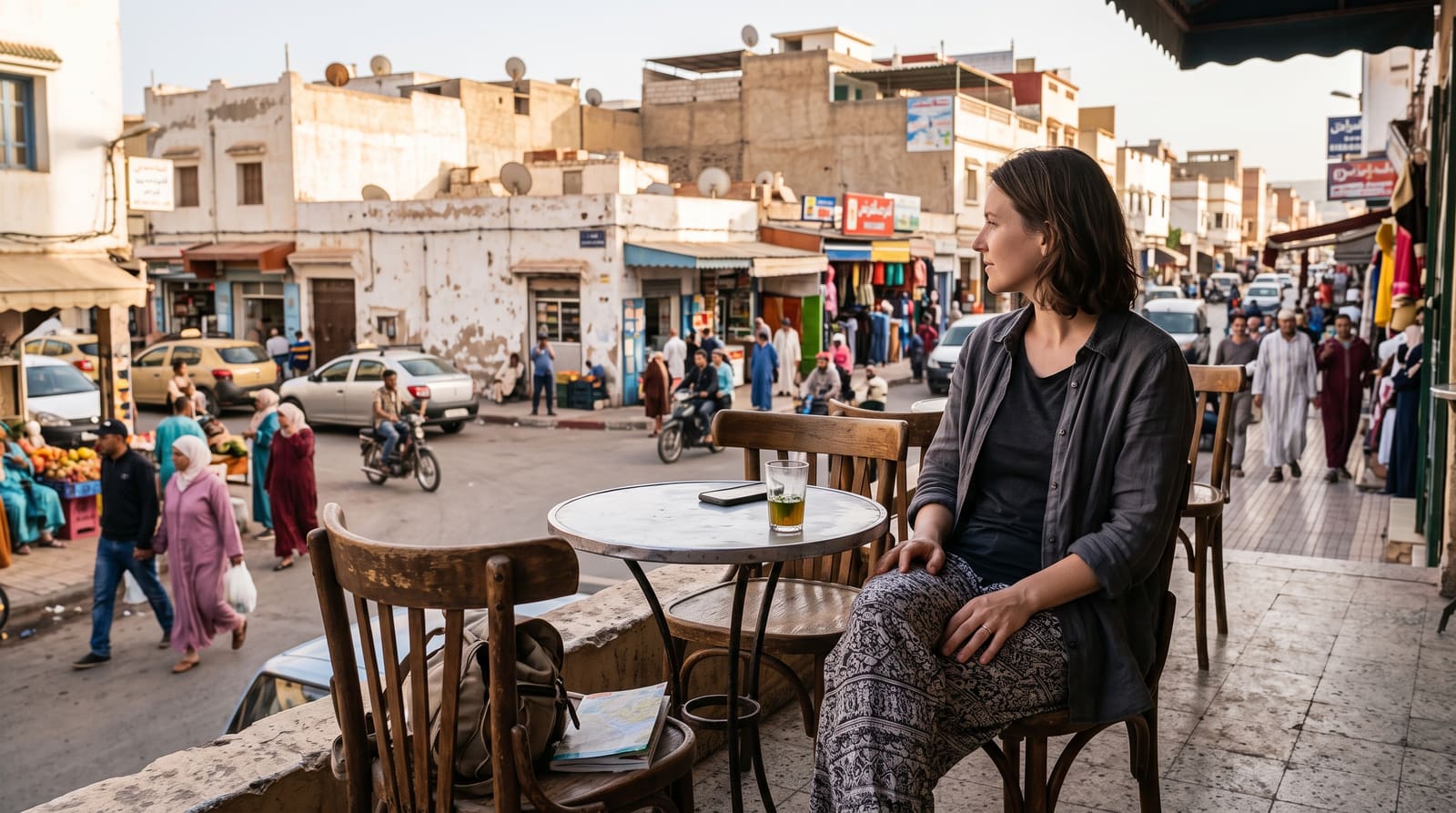
One specific, less obvious tip: in some more traditional settings, certain cafes function as unofficial male-only spaces, and a woman sitting alone in one can occasionally be read the wrong way. This is far less common in Agadir’s more modern, tourist-oriented cafes than in older medina settings elsewhere in Morocco, but if you’re ever unsure, asking your accommodation for a recommendation removes any ambiguity. Eating alone is just as normal in the modern cafes and restaurants here: our guide to eating alone in Agadir covers timing and seating.
Keep This in Perspective
Worth stating clearly: this pattern isn’t unique to Morocco, and it reflects a broader regional dynamic found across North Africa and parts of the Middle East rather than something specific to Moroccan culture or character. Thousands of solo women travel Morocco every year, and the overwhelming majority describe the experience as genuinely rewarding once they’ve adjusted to the day-to-day rhythm of not engaging with unwanted attention — a skill that, by most accounts, becomes close to automatic within the first few days of a trip. New to the country? Start with our first-timer’s guide to solo travel in Morocco.
Go in prepared, not anxious. Teefun’s app gives you honest, practical context for solo travel in Morocco, so you know what to actually expect rather than guessing. Download Teefun free.
Conclusion
Unwanted attention is a real, honest part of solo female travel in Morocco, and it’s worth preparing for specifically rather than being caught off guard. The good news: the tools that work are simple and well-tested — don’t engage, use a firm “no thank you” once, treat marriage proposals as throwaway compliments, and ask for help from a shop or restaurant if something feels like it’s escalating. None of this should overshadow what the country genuinely offers a solo woman willing to prepare for this one, manageable part of the experience.