Teefun local team
Amazigh Culture in Souss-Massa: The Short Answer
Amazigh culture in Souss-Massa shows up in the name Agadir itself, which comes from the Amazigh word for a fortified granary, in Tachelhit, the language spoken at home across the region, in Anti-Atlas village architecture, and in festivals such as Timitar in Agadir and the Almond Blossom Festival in Tafraout.
The region (Agadir, Taghazout, Taroudant, Tafraout and everywhere in between) sits at the heart of Amazigh Morocco, well beyond the vague sense of “traditional culture” most travel guides gesture at.
Amazigh or Berber: Which Term to Use in Morocco
“Amazigh” (plural: Imazighen) means “free people,” and it’s the term the Indigenous peoples of North Africa use for themselves. “Berber,” still common in English-language travel writing, actually derives from the Greek “barbaros” and the Latin “barbarus” — both roughly meaning “foreigner” or “barbarian,” an outsider’s label rather than a self-chosen one. Many people today prefer Amazigh and Imazighen for exactly this reason, and using those terms, where you can, is a small but genuine sign of respect.
The Language: Tachelhit in the Souss-Massa Region
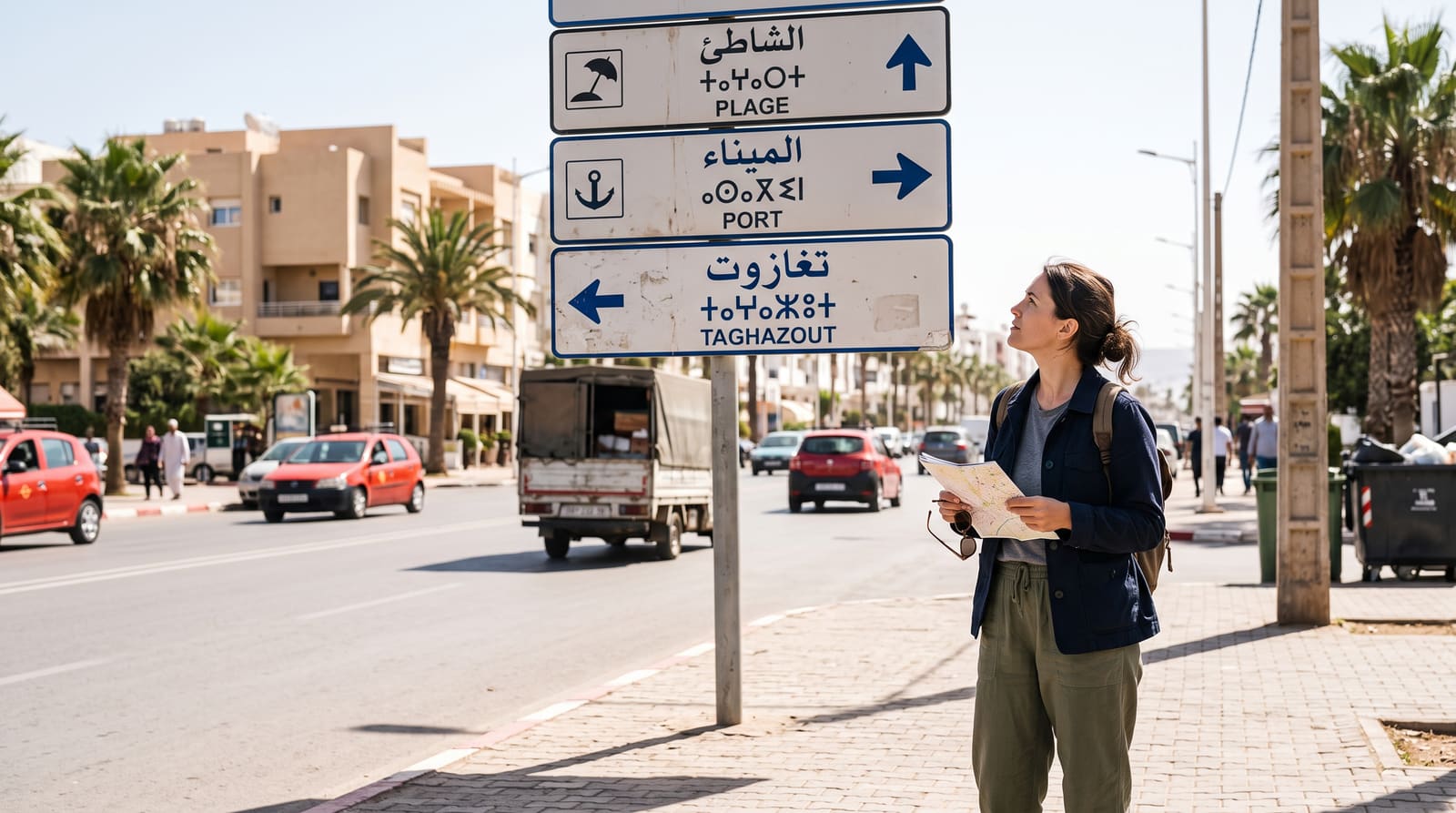
Tamazight is the umbrella term for the Amazigh language family, which isn’t a single language but a group of closely related varieties spoken across North Africa. The specific variety spoken across the Souss-Massa region — including Agadir, Taghazout, Taroudant, and Tiznit — is Tachelhit, also called Chleuh, the most widely used Amazigh variety in Morocco (14.2% of the population in the 2024 census). Most people here are genuinely bilingual, moving fluently between Tachelhit at home and Darija (Moroccan Arabic) in wider public life. For the practical side, see our guide to language in Morocco. The language also has its own script, Tifinagh, a distinctive geometric alphabet you’ll start noticing on official signage once you know to look for it.
What “Agadir” Actually Means
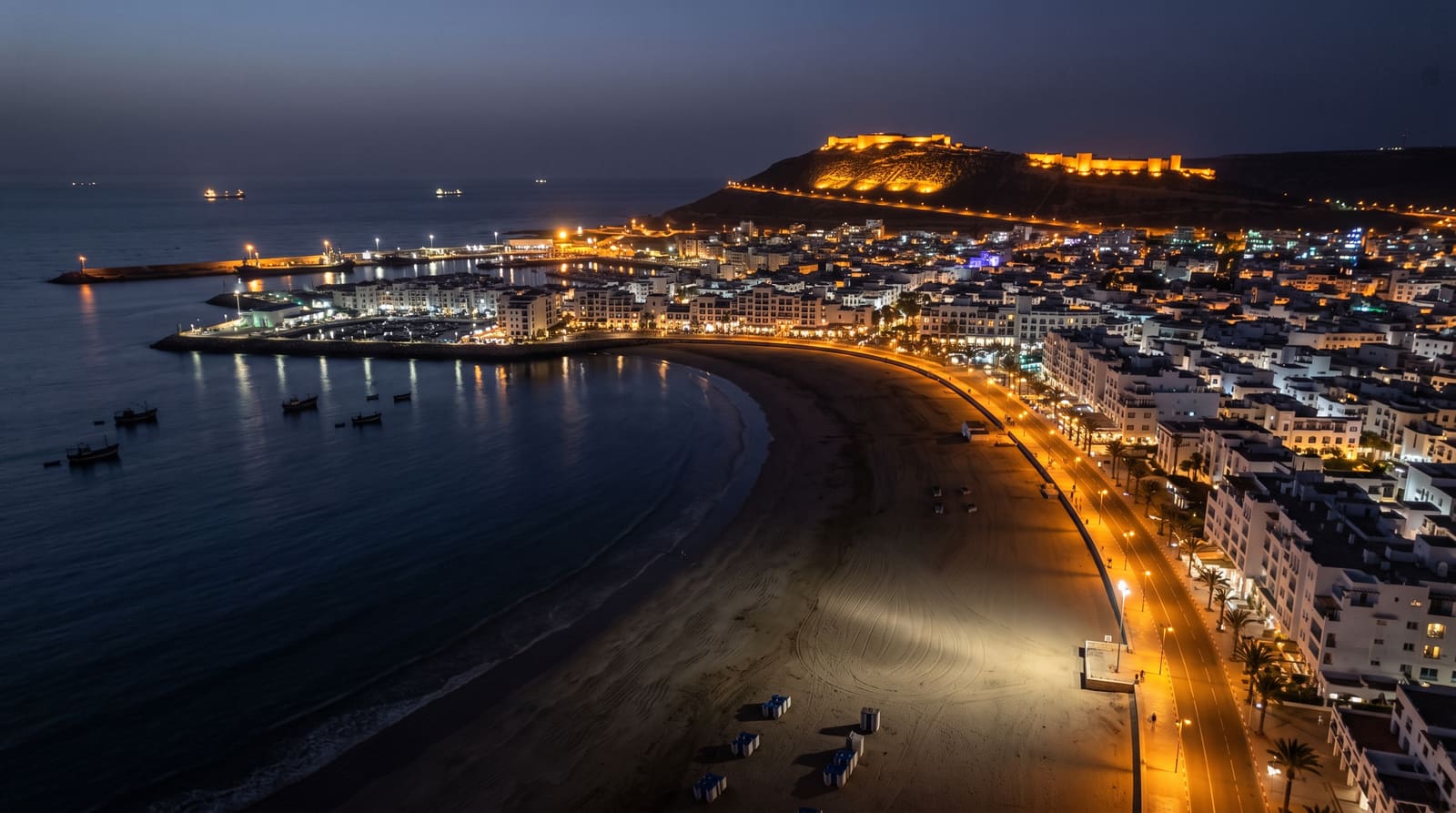
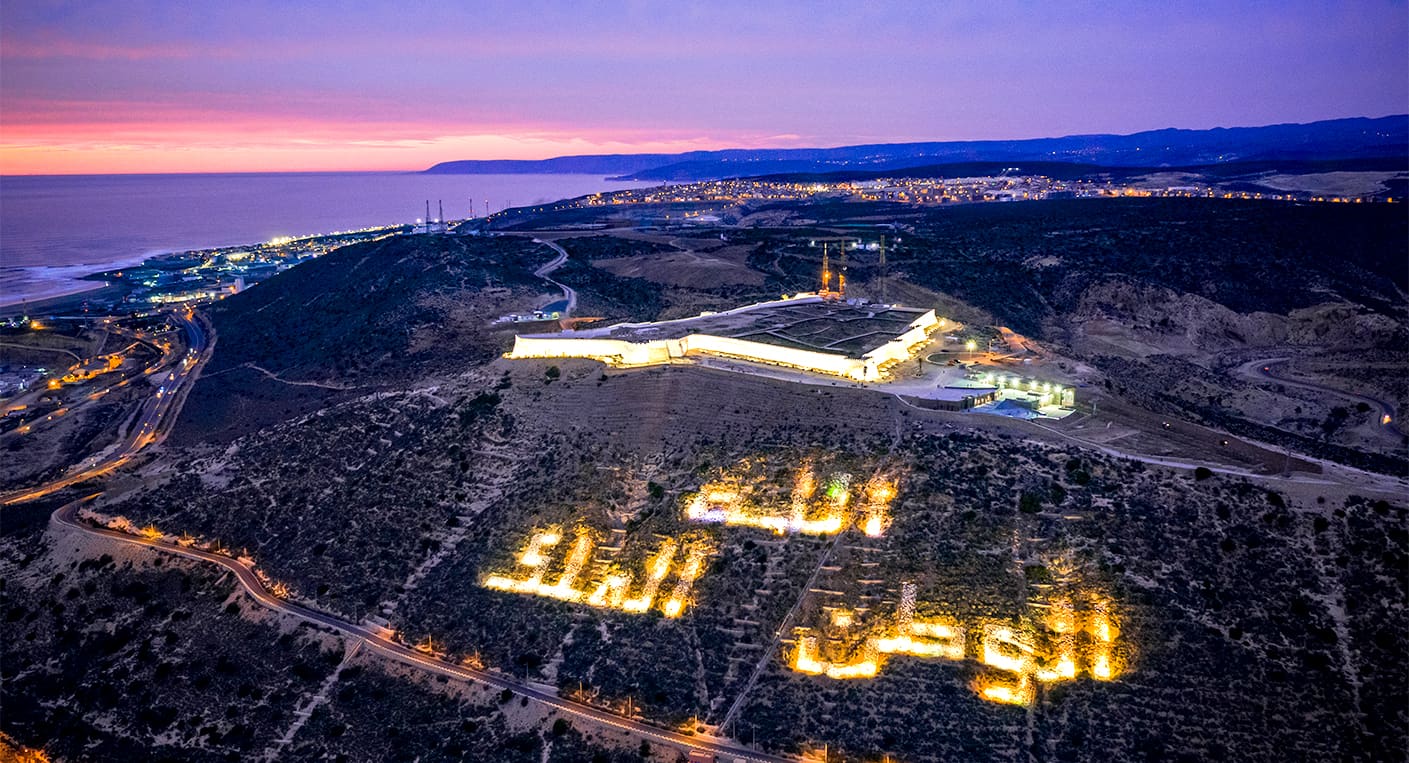
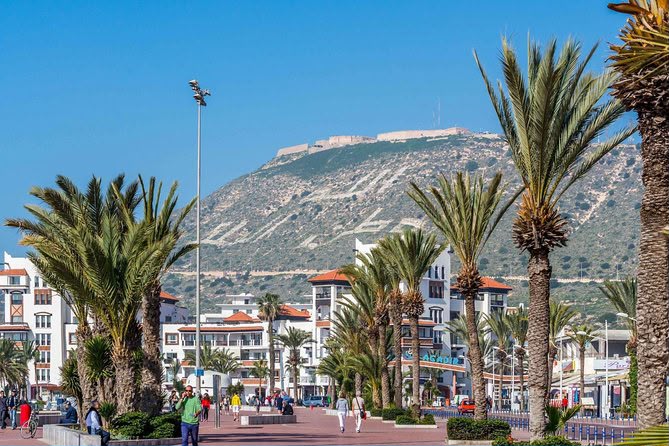
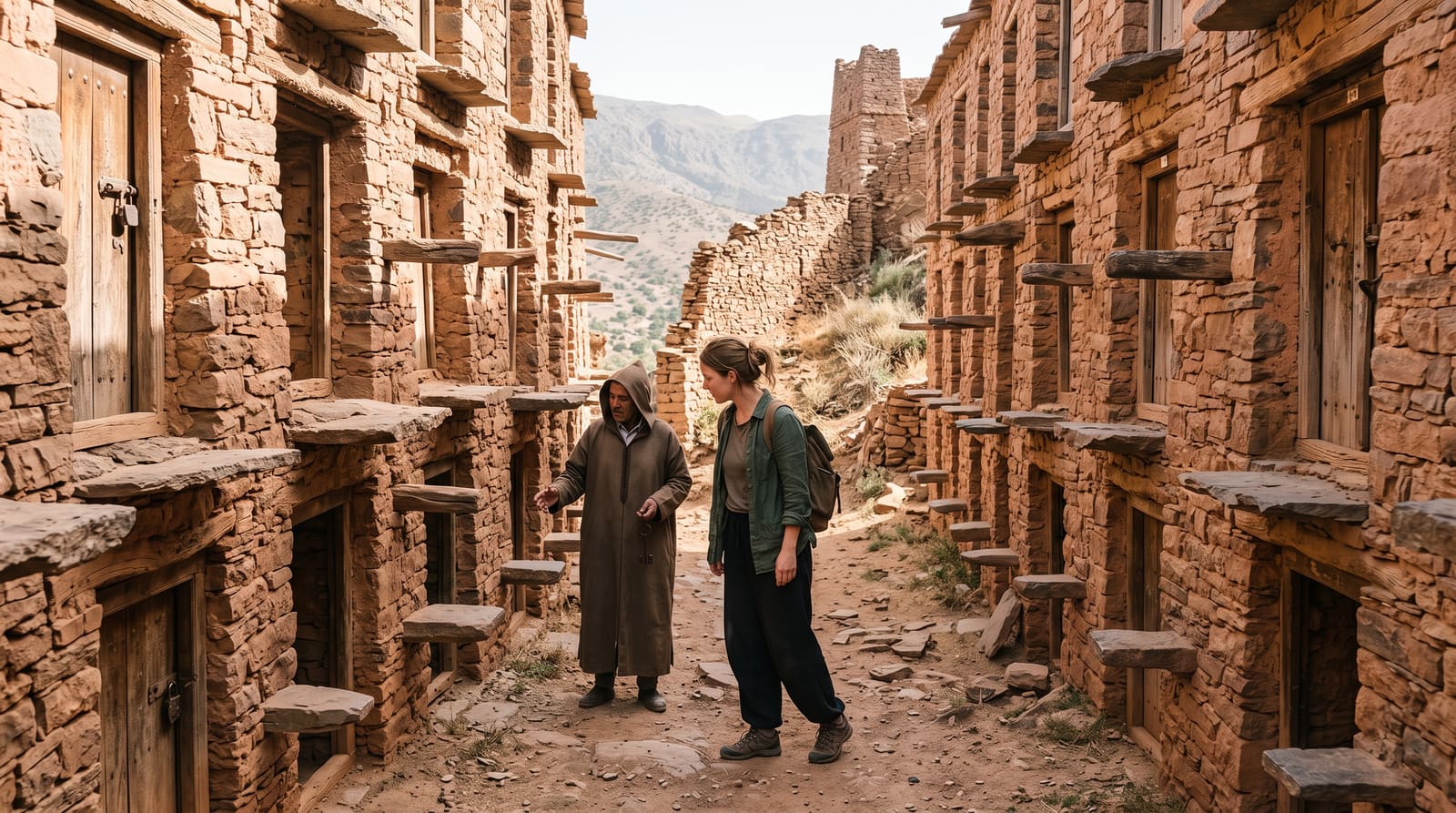
This is worth knowing before anything else: the word “agadir” is Amazigh for a fortified communal granary — a defensive structure, often built on a hilltop or cliff face, where village families each held a key to their own individually locked storage chamber for grain, valuables, and important documents, while the building itself was managed collectively. Several genuine examples still stand in the Anti-Atlas today, including Agadir Inoumar near Tafraout and Agadir Id Aissa near Amtoudi. The city you’re staying in wasn’t named arbitrarily — it carries a piece of this architectural and social tradition in its name.
Recent, Real Recognition
Amazigh culture and language were marginalized for long stretches of Morocco’s modern history, and the shift toward recognition is genuinely recent rather than ancient history. Tamazight now holds official language status in Morocco’s constitution, and Yennayer, the Amazigh New Year, was decreed an official paid national holiday in 2023 and first observed as one on 14 January 2024 — a meaningful, still-unfolding change rather than a settled, decades-old fact.
Where to Experience Amazigh Culture Near Agadir
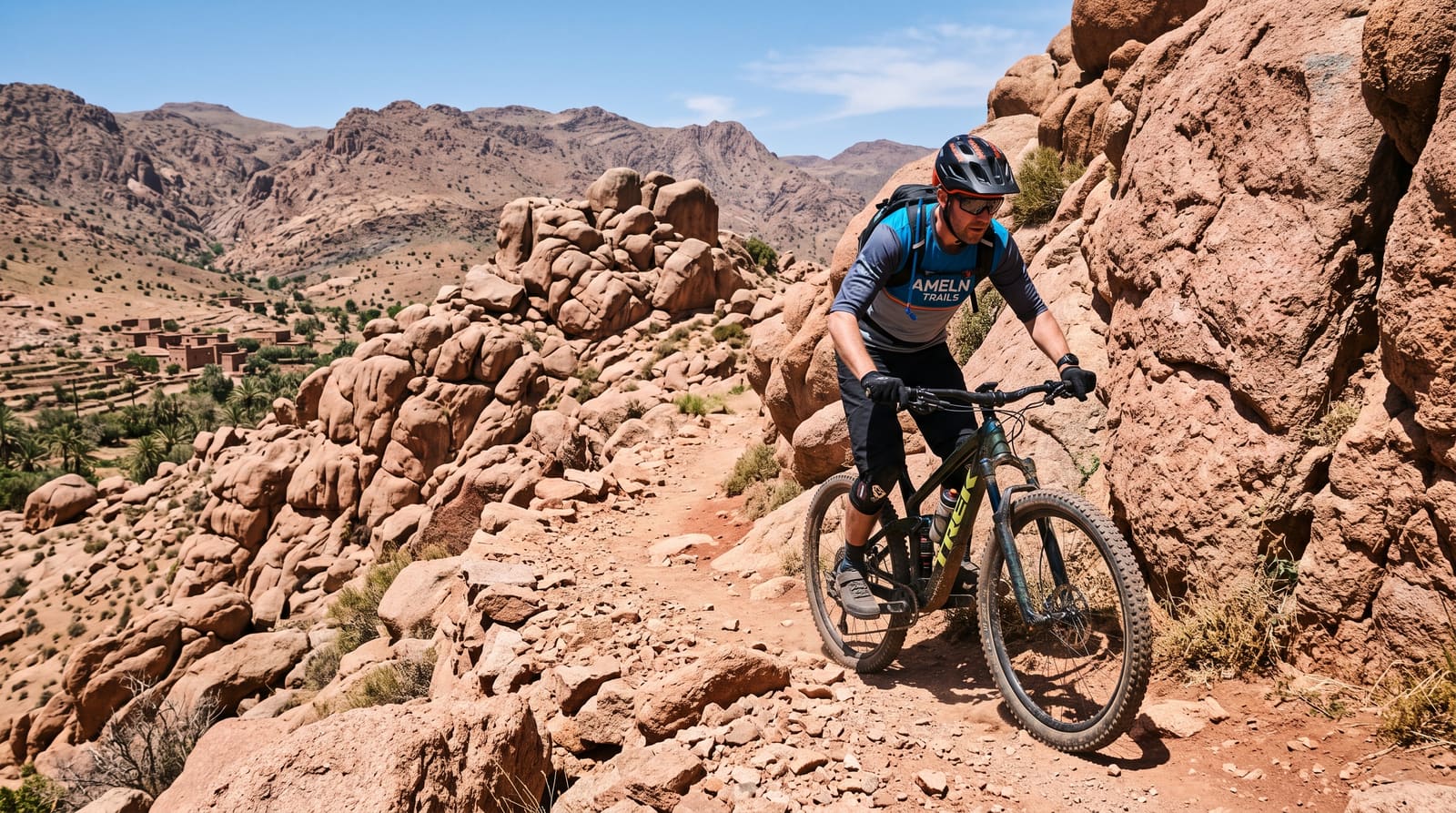
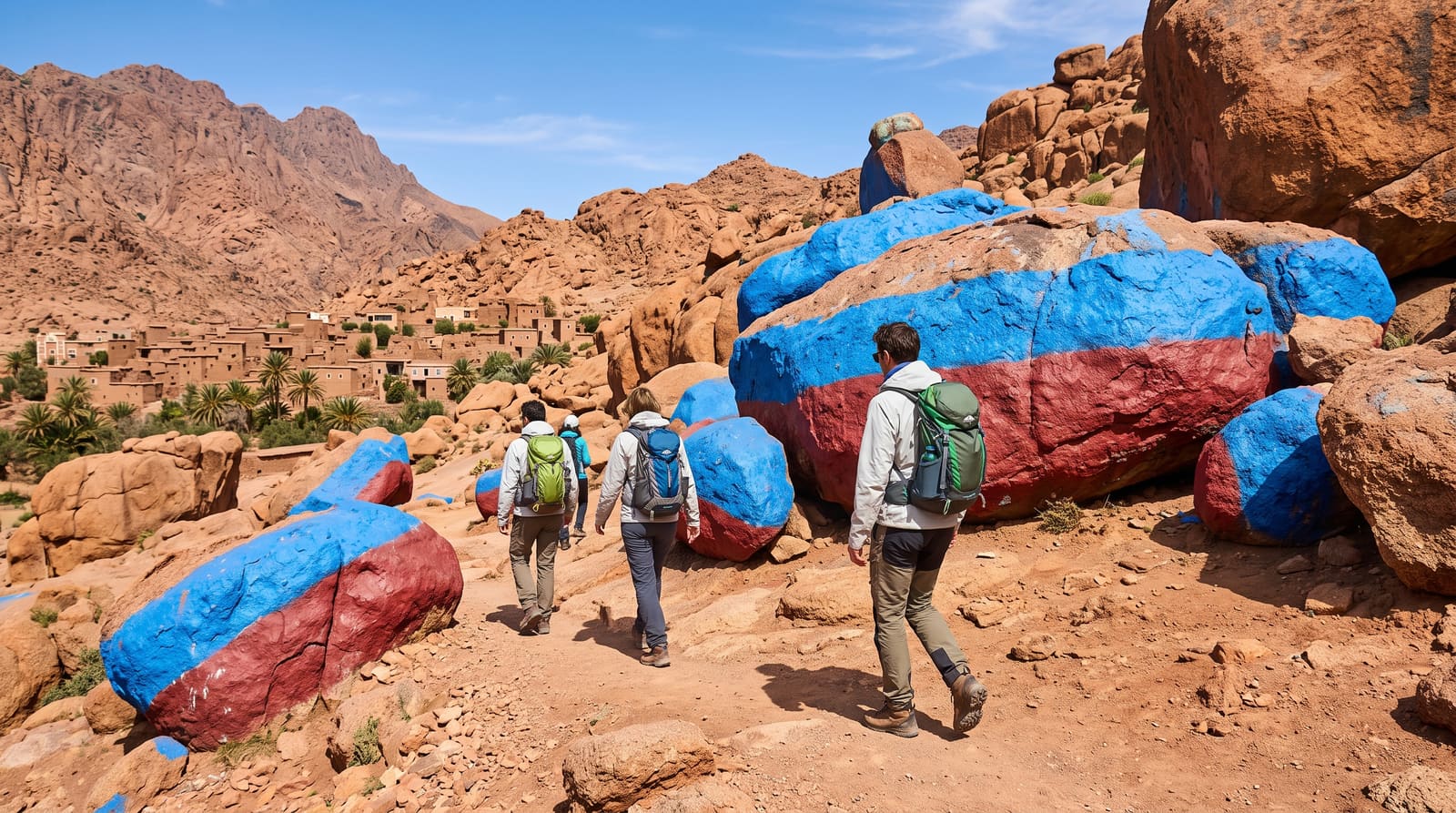
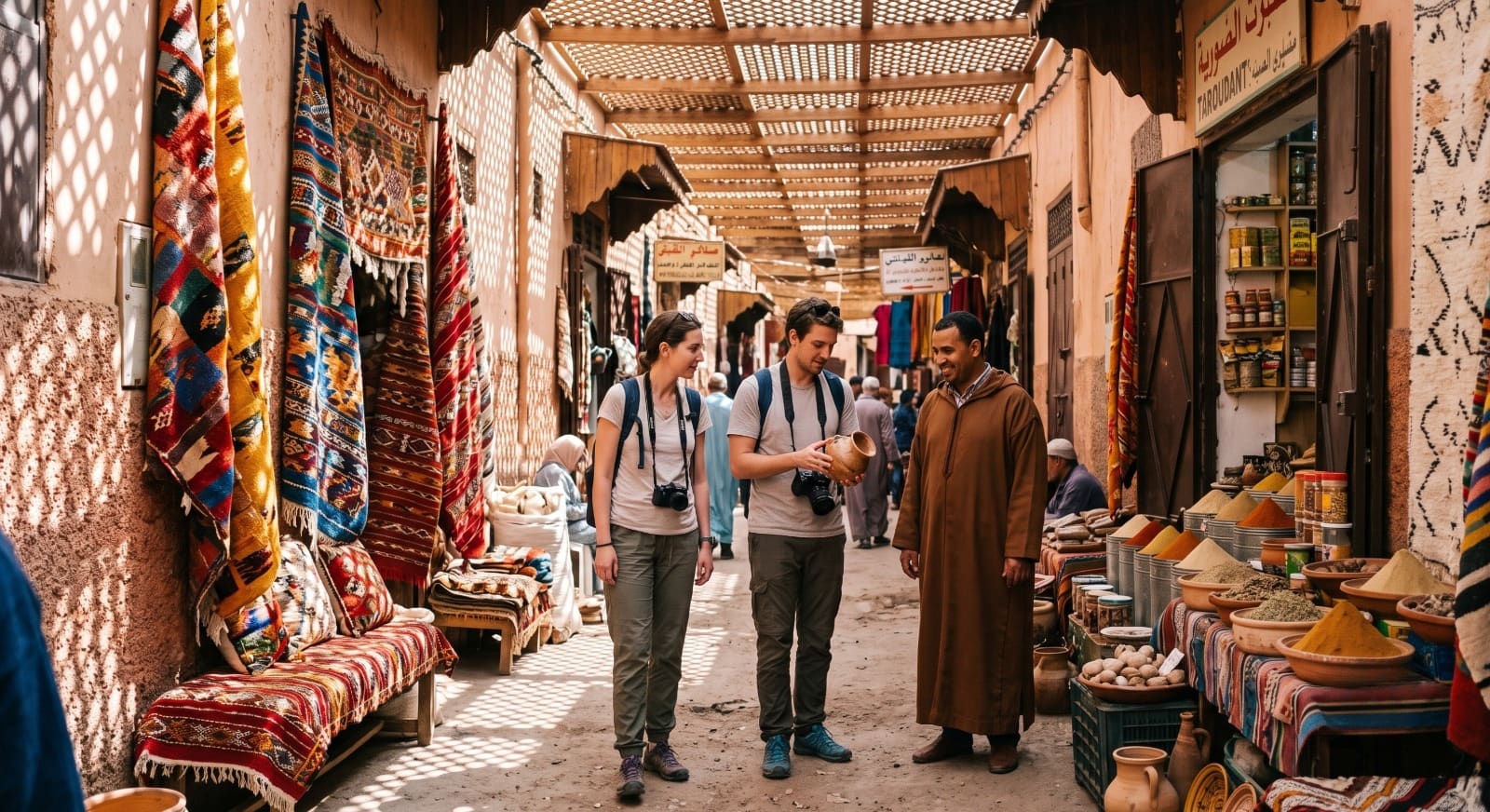
Several Souss-Massa towns carry their own distinct Amazigh craft identity, each worth knowing if you’re moving through the region: Tiznit is known for silver jewelry and traditional fibulae, Taroudant for its ancient walled old town, Taliouine for saffron, Tafraout for its pink granite landscape and Ameln Valley villages (see our Tafraout hiking and rock climbing guide), and Taznakht for carpets. None of these require a special cultural tour to access — they’re largely the same towns already worth visiting for their scenery and day-trip appeal, just with an added layer of context once you know what you’re looking at. Our best day trips from Agadir is a good place to start.
Amazigh Festivals: Timitar in Agadir and the Almond Blossom Festival in Tafraout
The Timitar Festival, usually held in Agadir in July (the 21st edition ran 23 to 25 July 2026), celebrates Amazigh and African music and draws performers from across the region — a genuine cultural event happening in the exact city most Teefun-based trips are built around. The Almond Blossom Festival in Tafraout, typically held each February when the Anti-Atlas almond trees bloom against the pink granite backdrop, combines music, dance, and local crafts with one of the most visually striking natural moments in the region.
Authentic Amazigh Products Worth Seeking Out
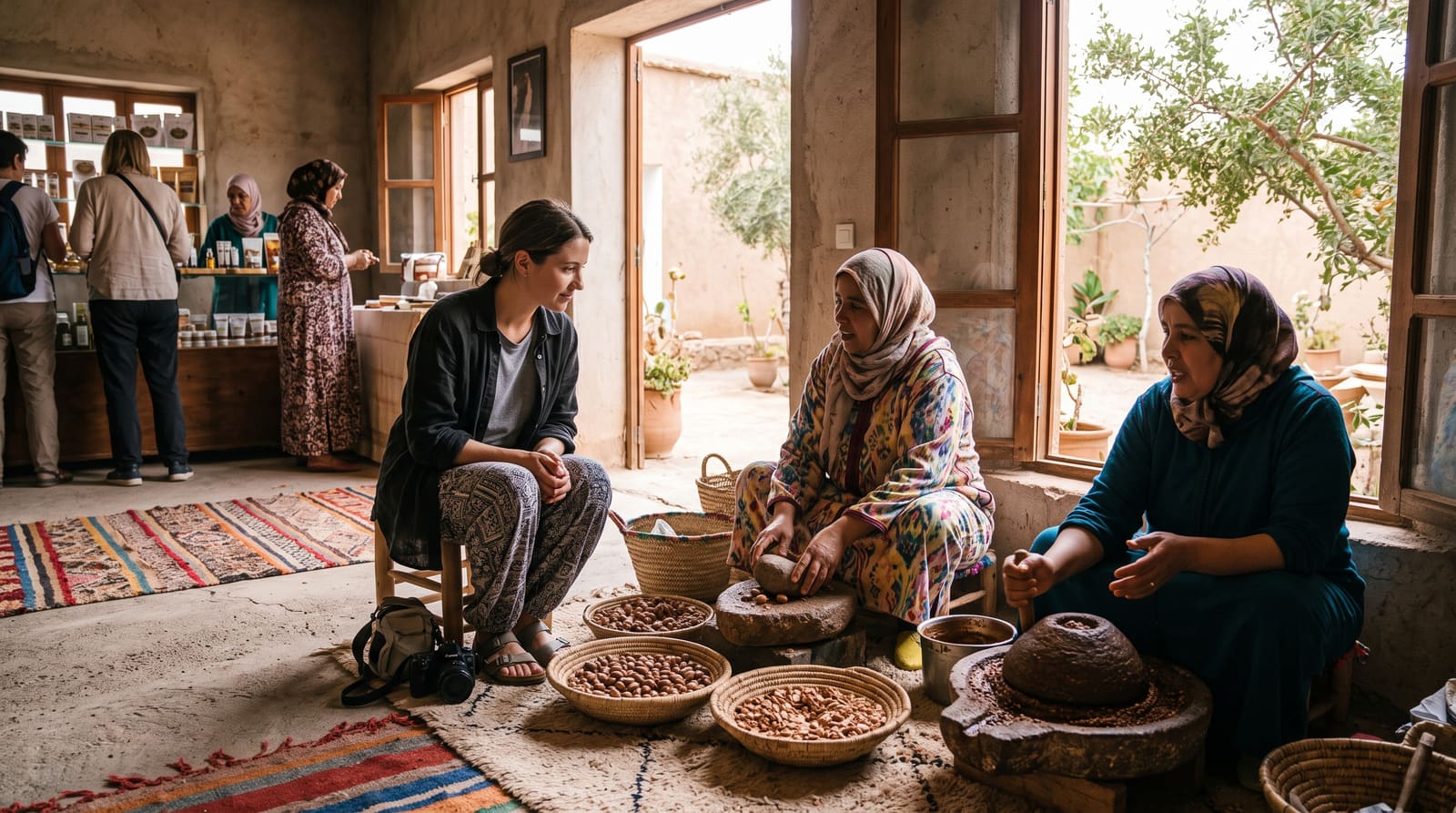
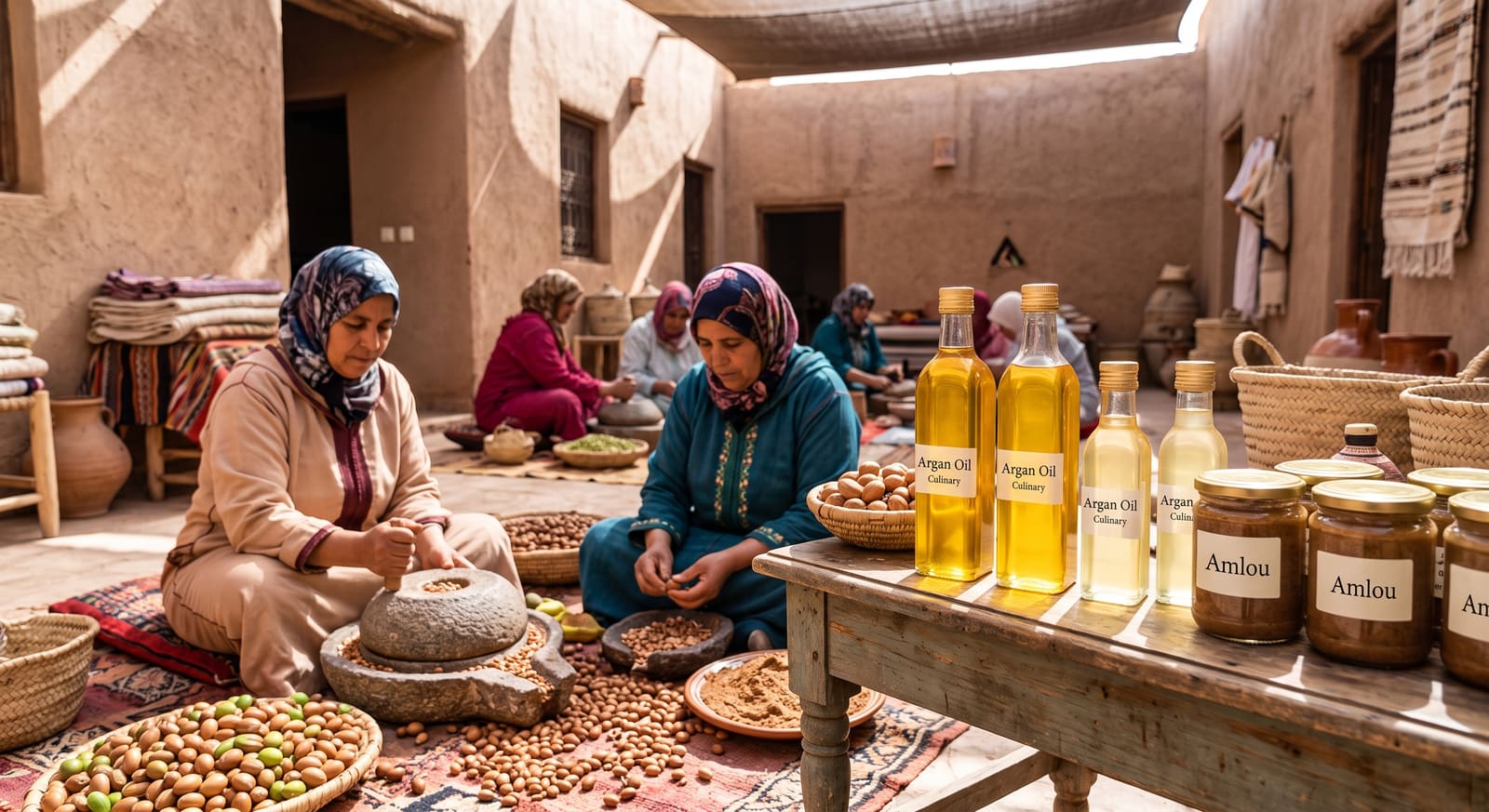
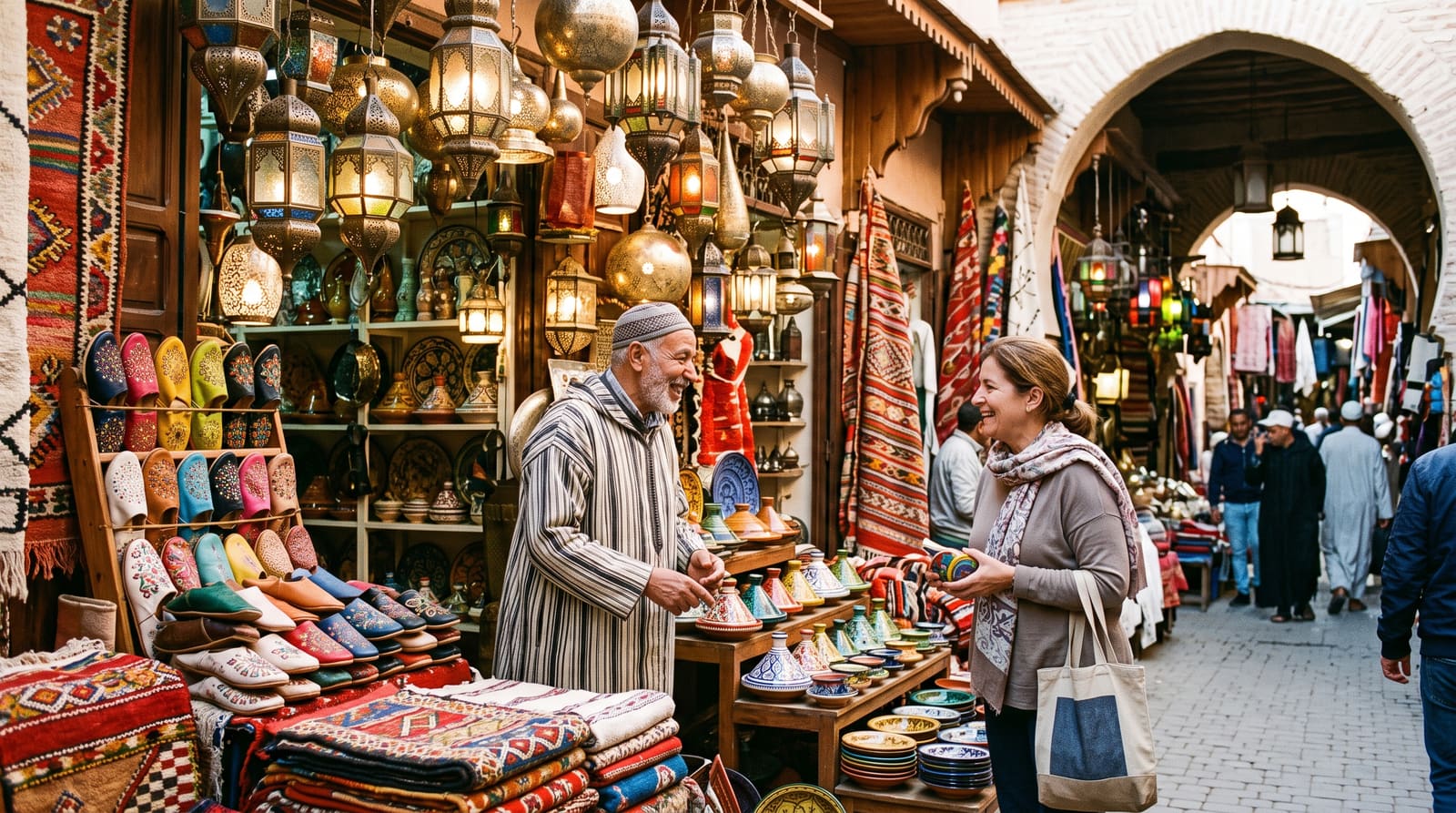
Beyond argan oil, already covered in depth in our argan oil and souvenir shopping guide, silver jewelry from Tiznit and hand-woven carpets are among the most recognized authentic Amazigh crafts from this region. As with argan oil, buying directly from a cooperative or a known local artisan rather than a generic souk stall gets a fairer share of the sale to the actual maker.
See the region as more than a beach backdrop. Teefun’s app connects the dots between Agadir, Taghazout, Taroudant, and Tafraout as one culturally rich Amazigh region, not disconnected stops. Download Teefun free.
Conclusion
Amazigh culture isn’t a side note to a Souss-Massa trip — it’s woven into the name of the city you’re likely staying in, the language spoken around you, and the towns worth visiting for reasons beyond their scenery alone. Use “Amazigh” where you can, time a trip around Timitar or the Almond Blossom Festival if the dates align, and look for genuine cooperative-made silver, carpets, and argan oil if you want a souvenir that actually connects to the place you visited.