Teefun local team
Language in Morocco: The Short Answer
Language in Morocco is layered, but for a trip to Agadir it is simple: Darija (Moroccan Arabic) is what people actually speak, used daily by 91.9% of Moroccans in the 2024 census, French covers official and business matters, and English is enough for tourists in coastal resorts like Agadir. A few Darija phrases add warmth.
Learning a handful of Darija phrases isn’t necessary, but it does more for the warmth of your interactions than almost anything else you could prepare.
Darija in Morocco: What the Country Actually Speaks
Standard Arabic and Tamazight are Morocco’s two official languages on paper, but Darija, the country’s distinct spoken Arabic dialect, is what’s actually used in daily life — by 91.9% of the population, according to Morocco’s 2024 national census. Darija is its own animal linguistically, blending Arabic with French, Spanish, and Amazigh influences into something different enough from Standard Arabic that visitors from other Arabic-speaking regions often struggle to follow it. It’s rarely written down in any standardized way, existing mainly as the spoken language of the street, the souk, and the home.
French in Morocco: The Working Language Behind the Scenes
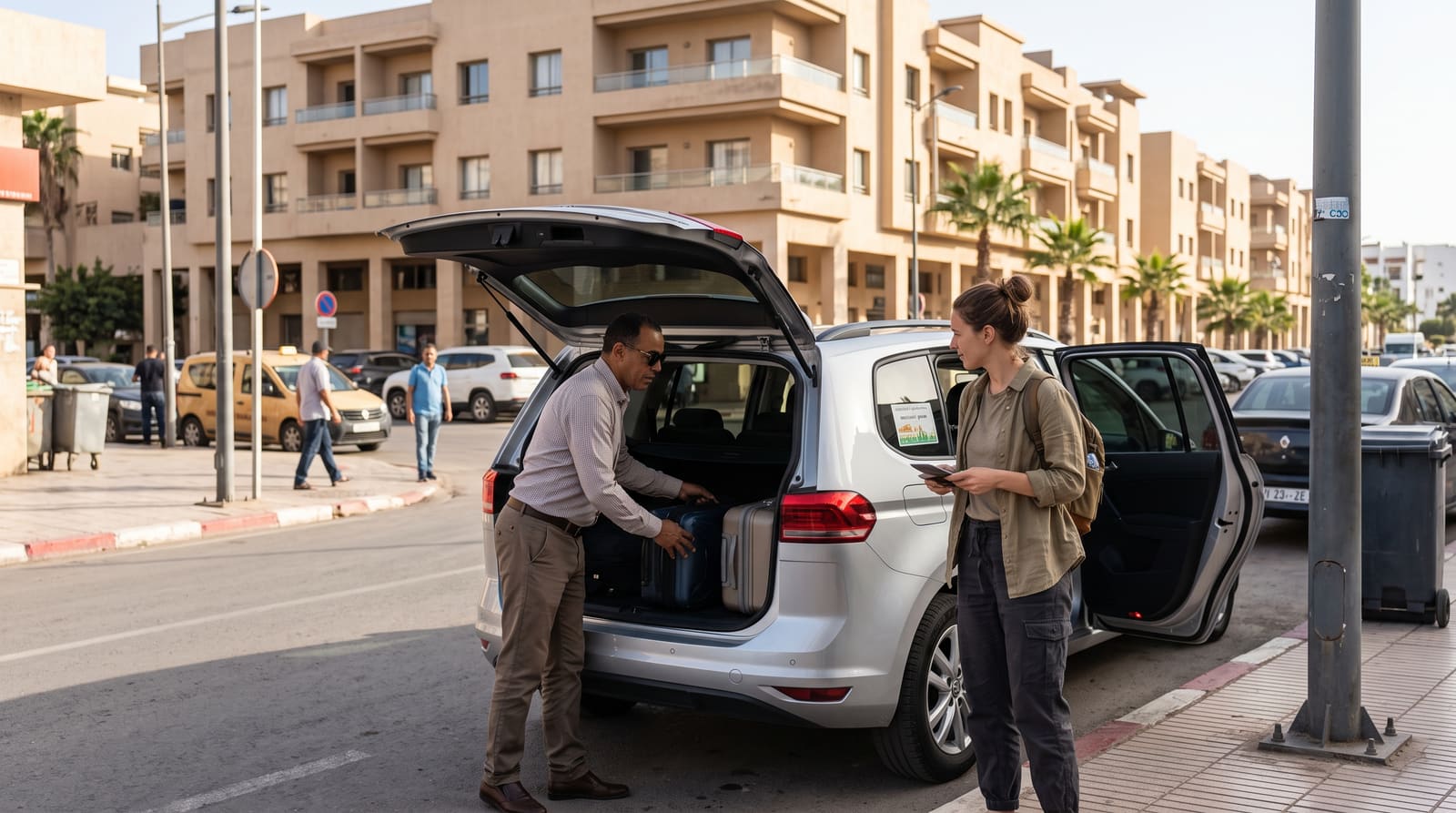
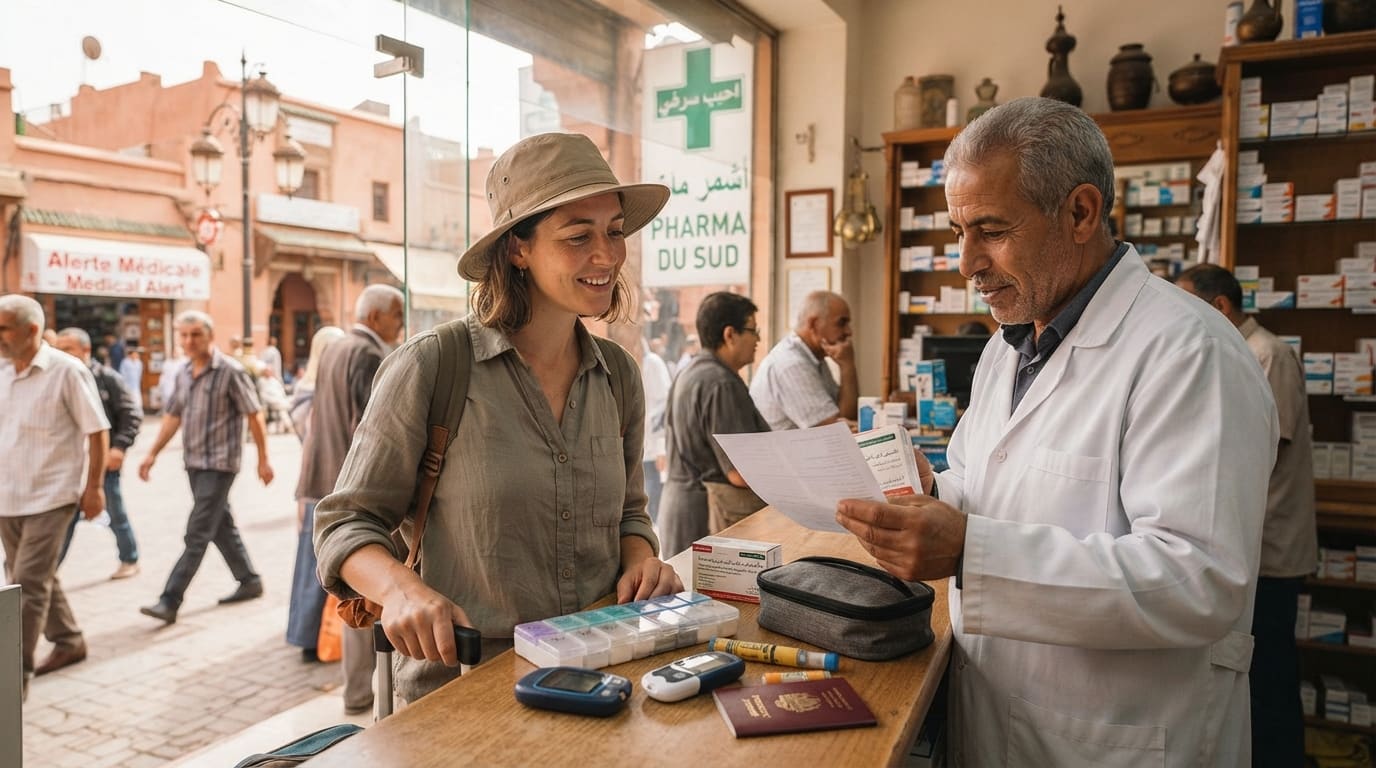
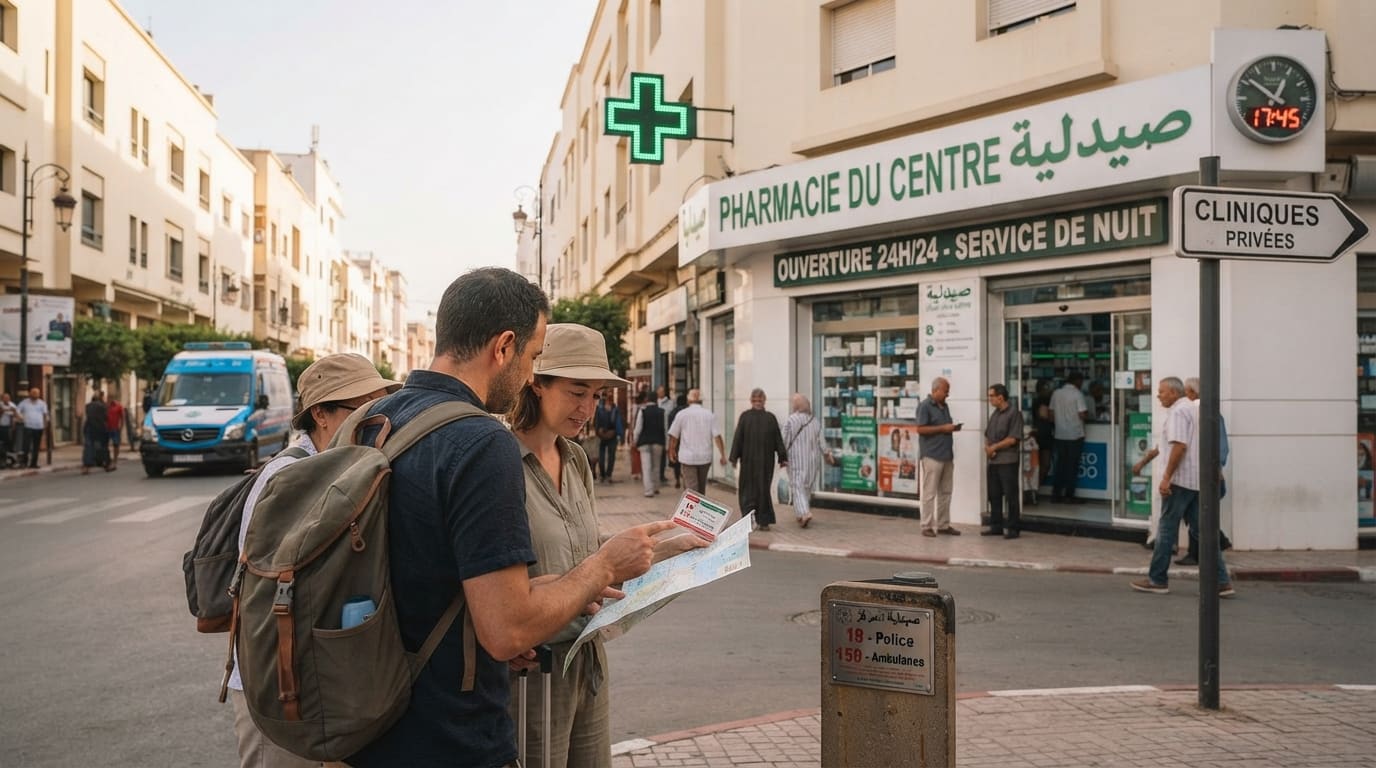
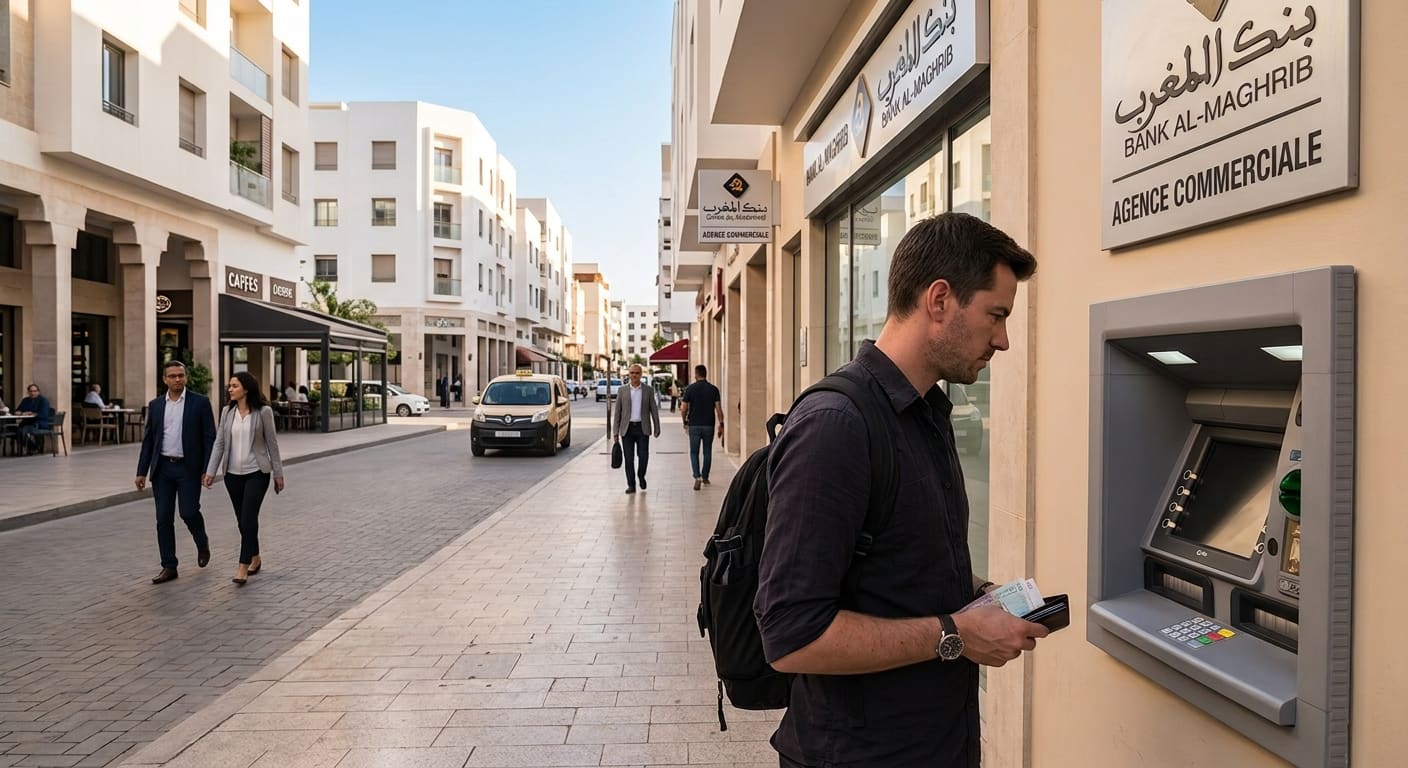
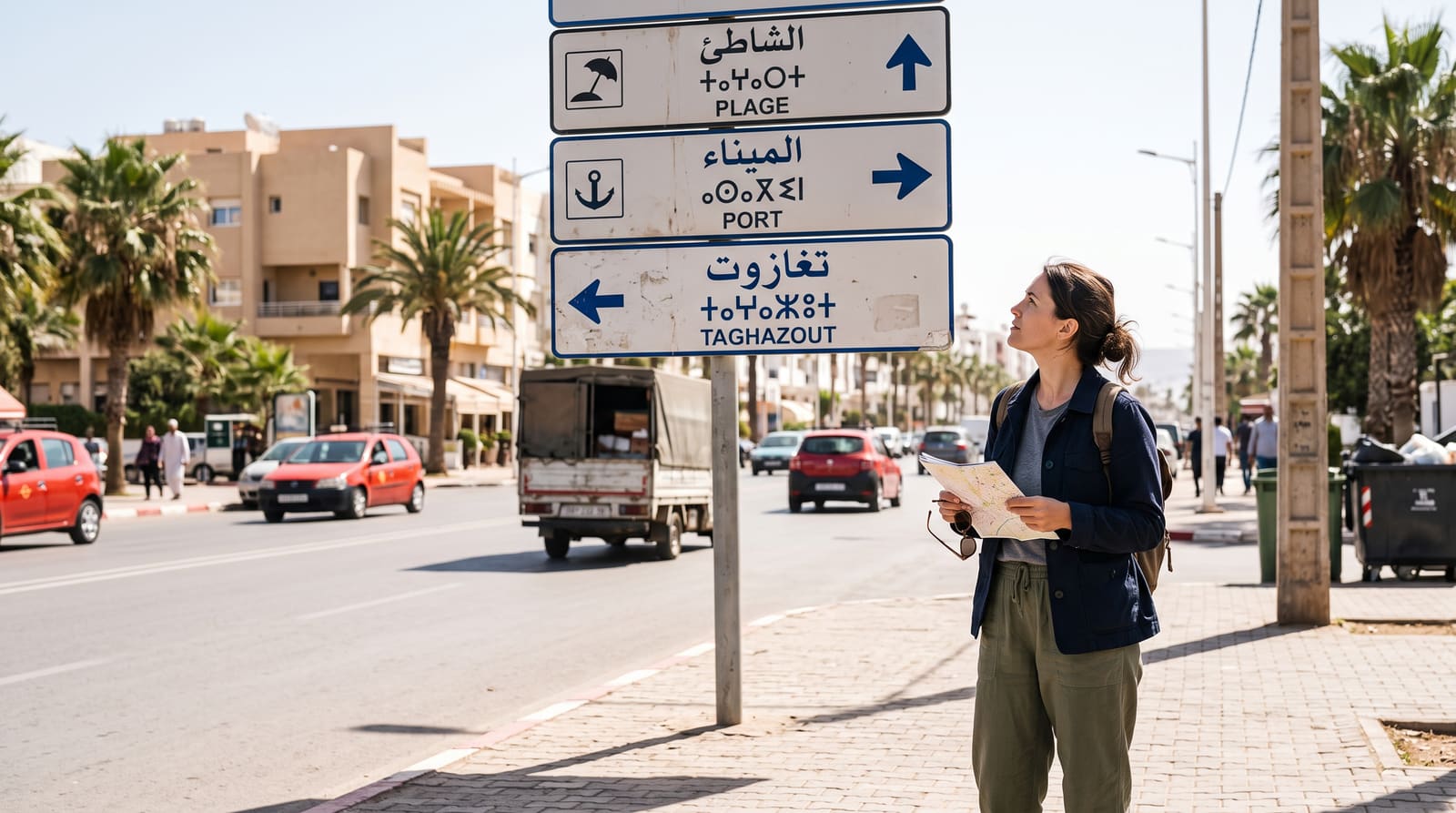
French isn’t officially one of Morocco’s languages, but it functions as the practical working language of business, banking, education, and government — a direct legacy of the 1912–1956 French protectorate period. It remains widely read and written among literate Moroccans, and it’s the language you’ll see on many official documents, menus, and street signs alongside Arabic. The detail worth genuinely knowing: if you ever need to deal with police, a hospital, or an administrative office, French is typically the working language there, more so than English — worth remembering in the unlikely event you need serious help with an official matter. For emergency numbers and what care costs, see our guide to pharmacies, clinics and emergency care near Agadir, Taghazout and Imsouane.
Do You Actually Need Anything Beyond English in Agadir?
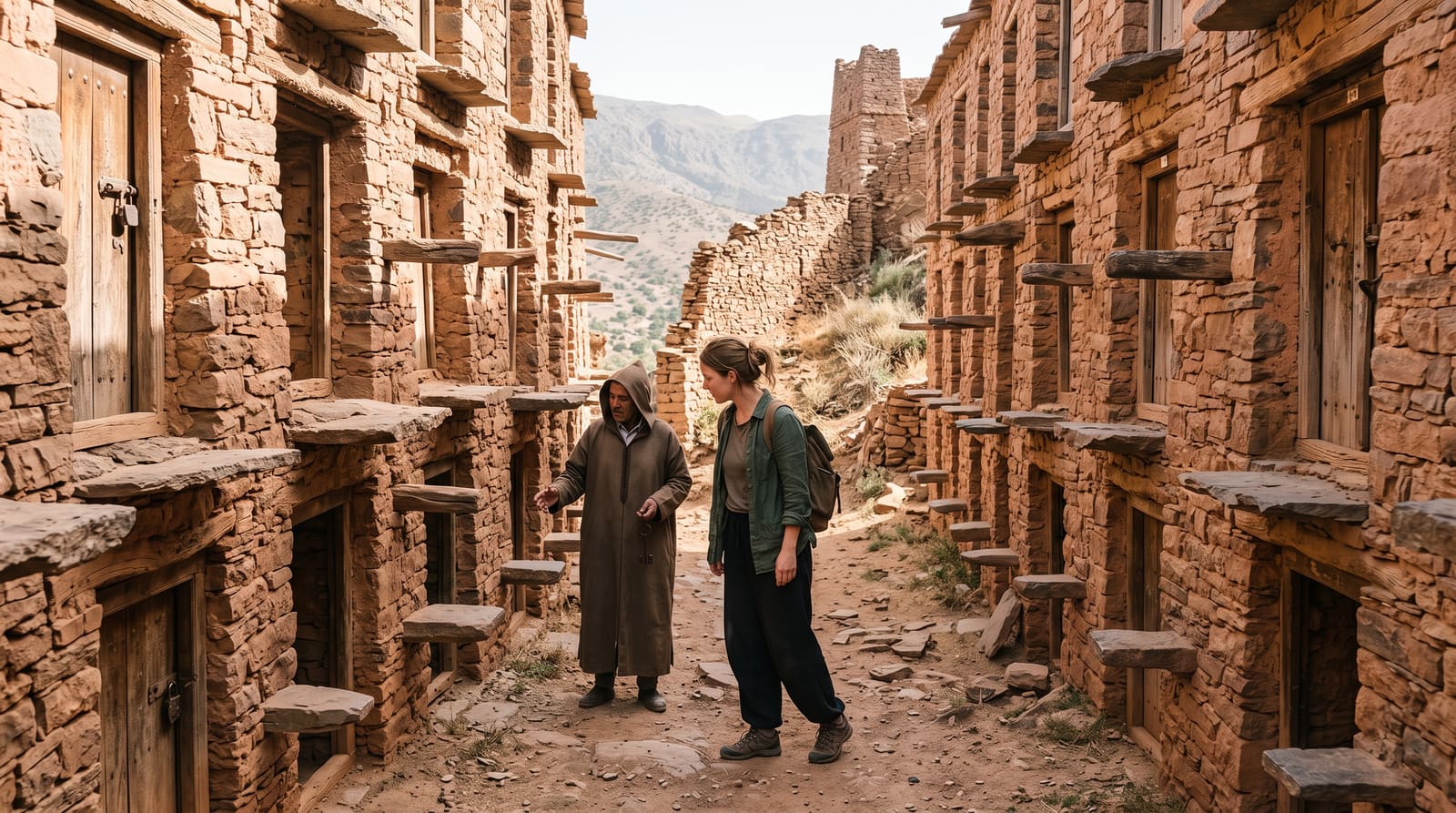
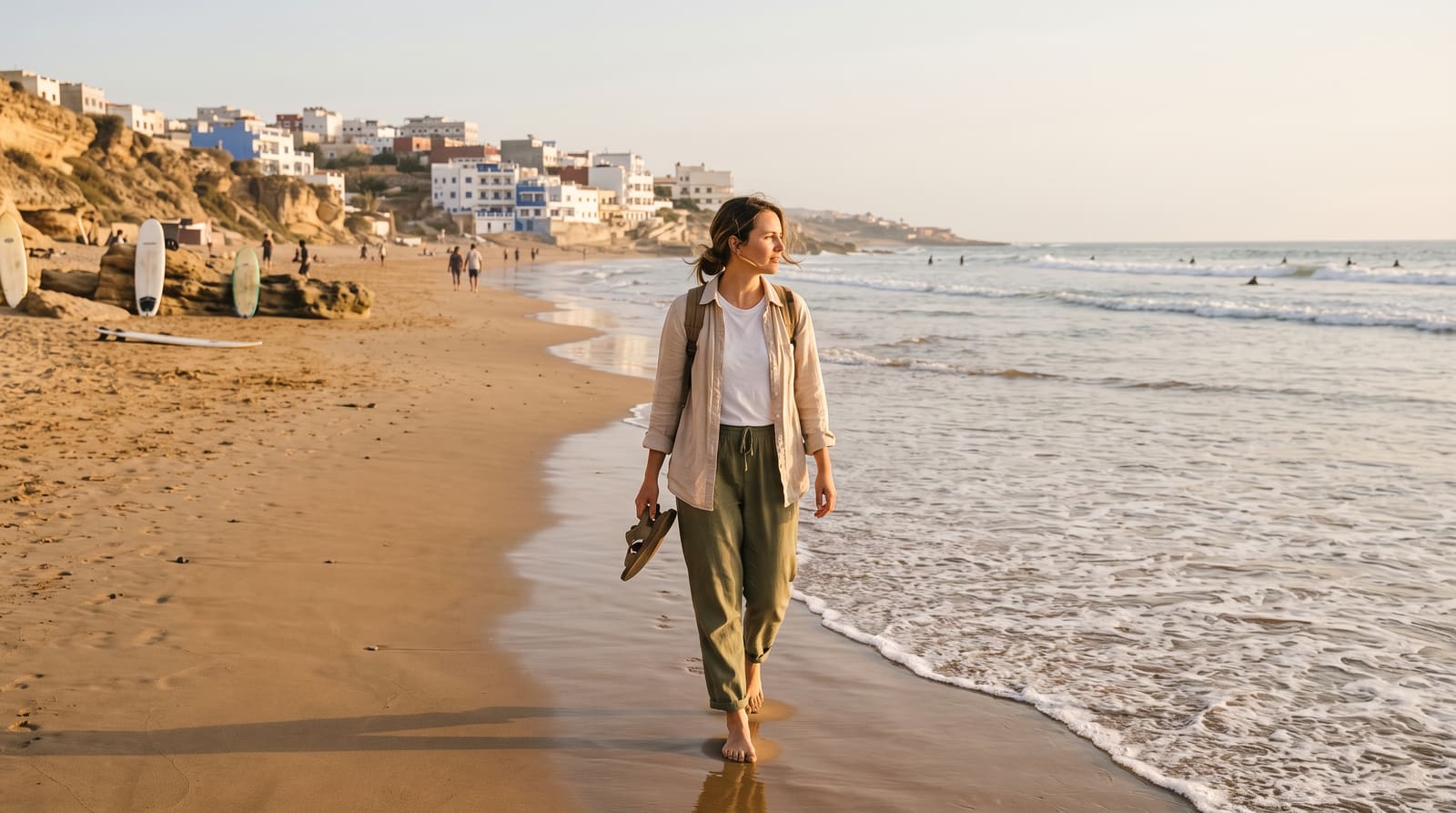
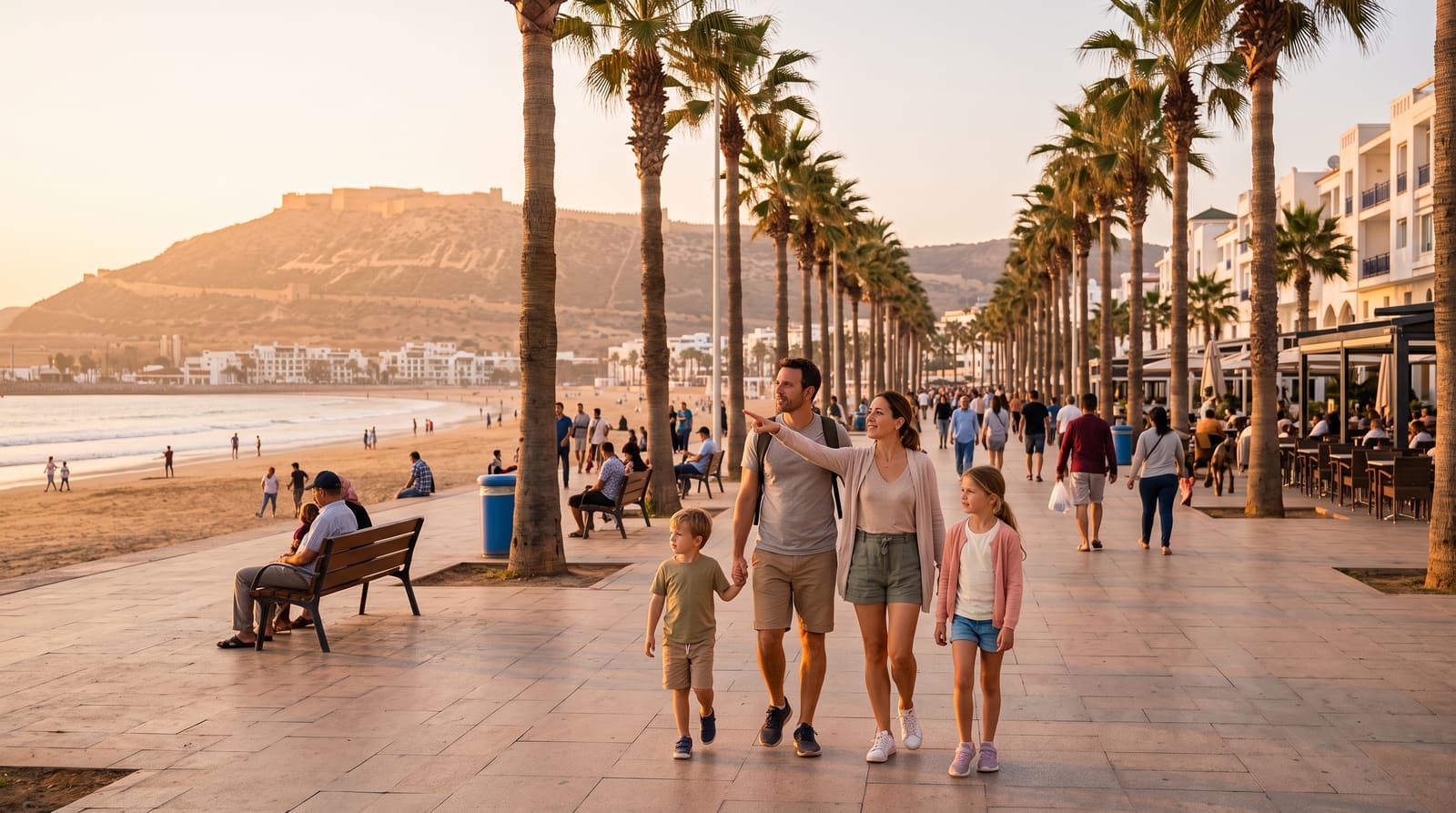
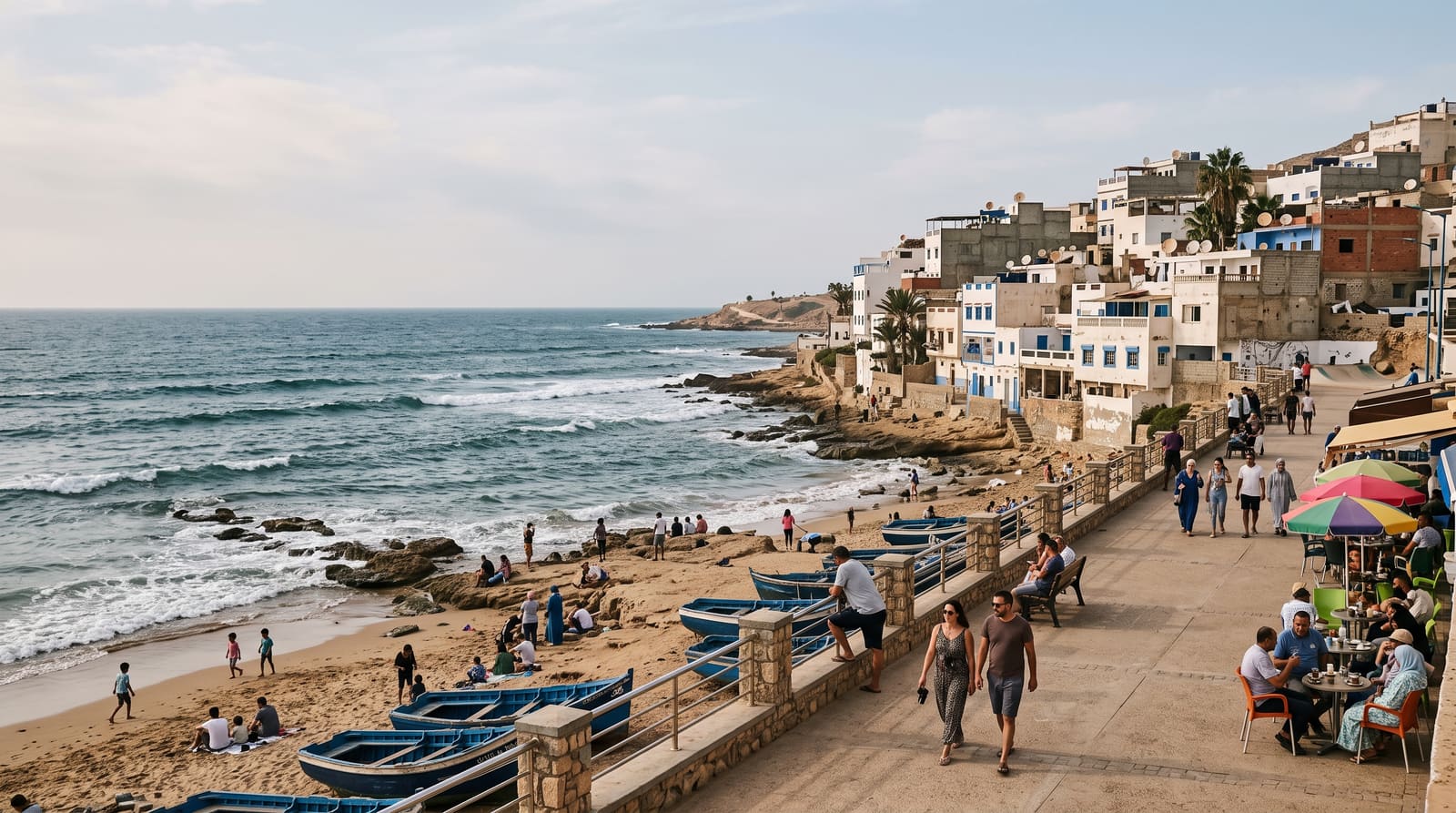
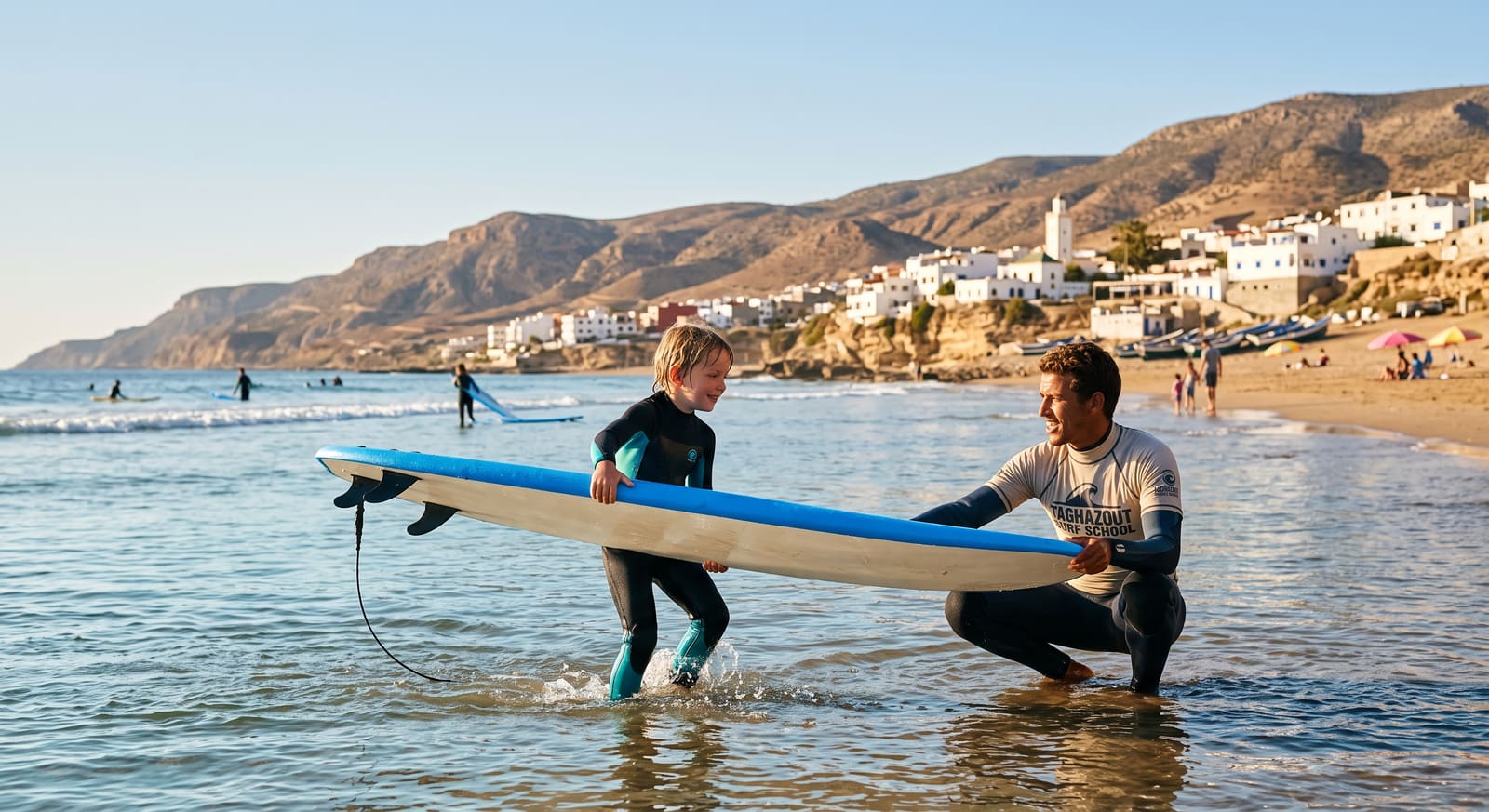
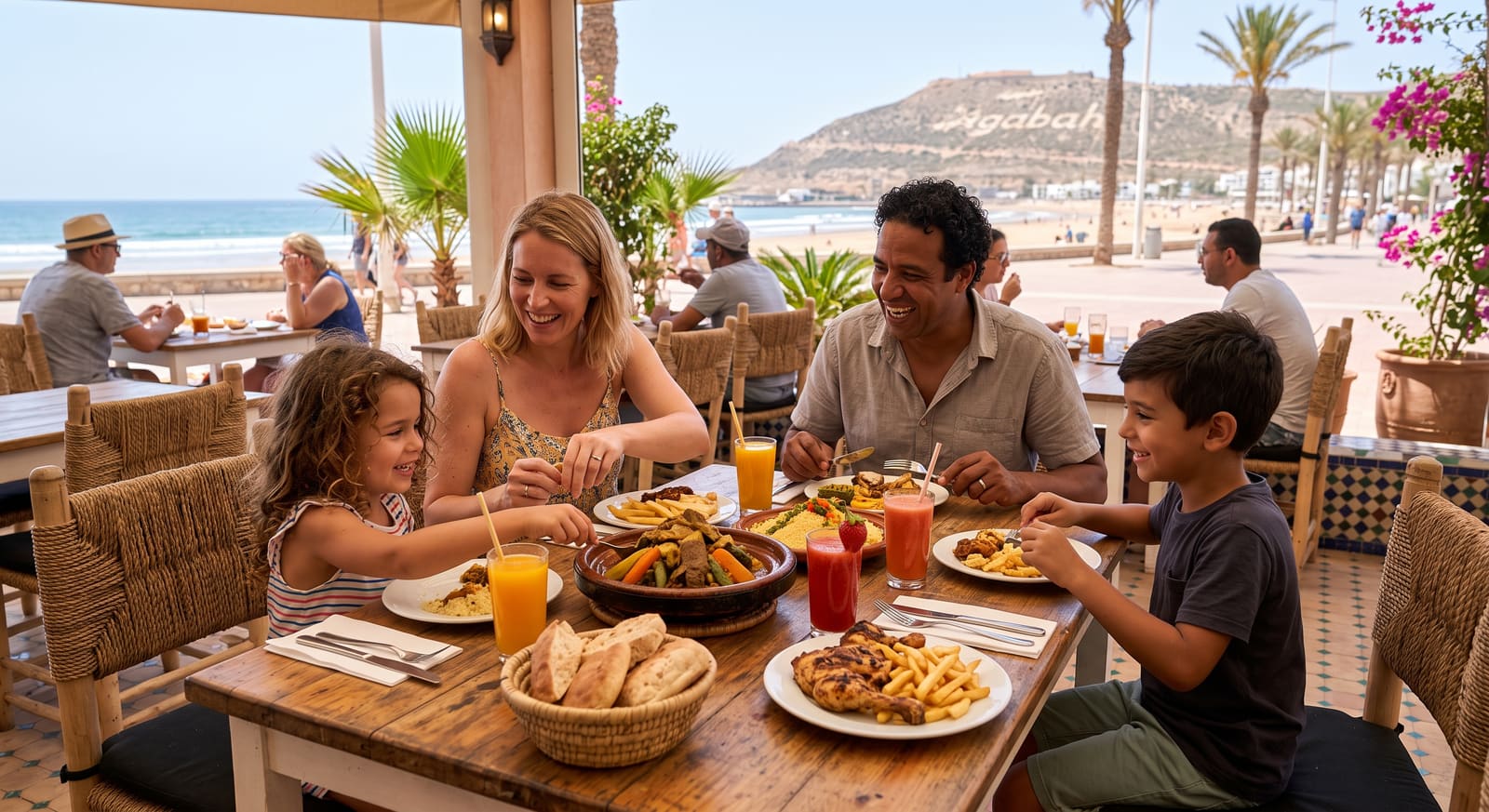
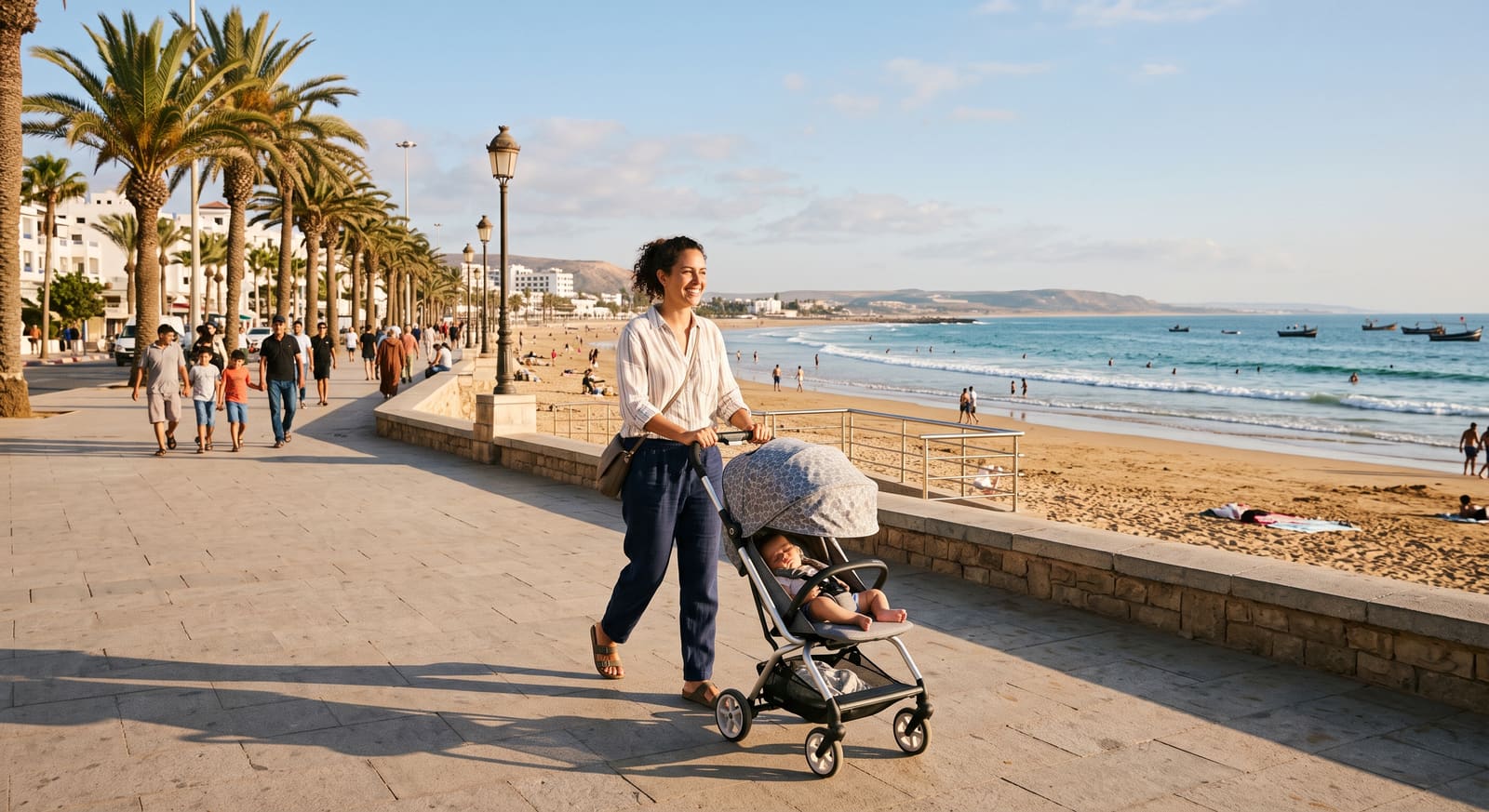
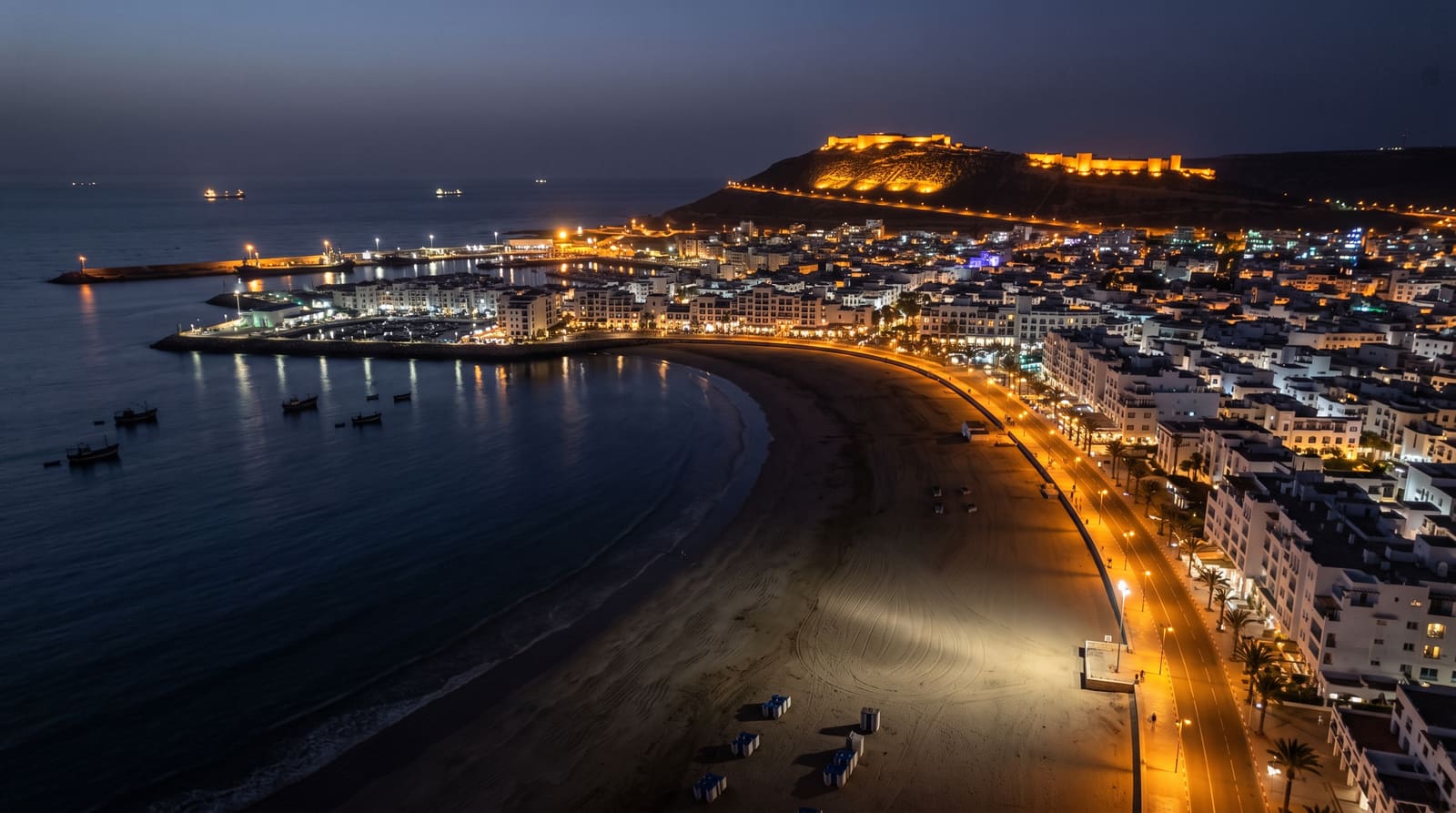
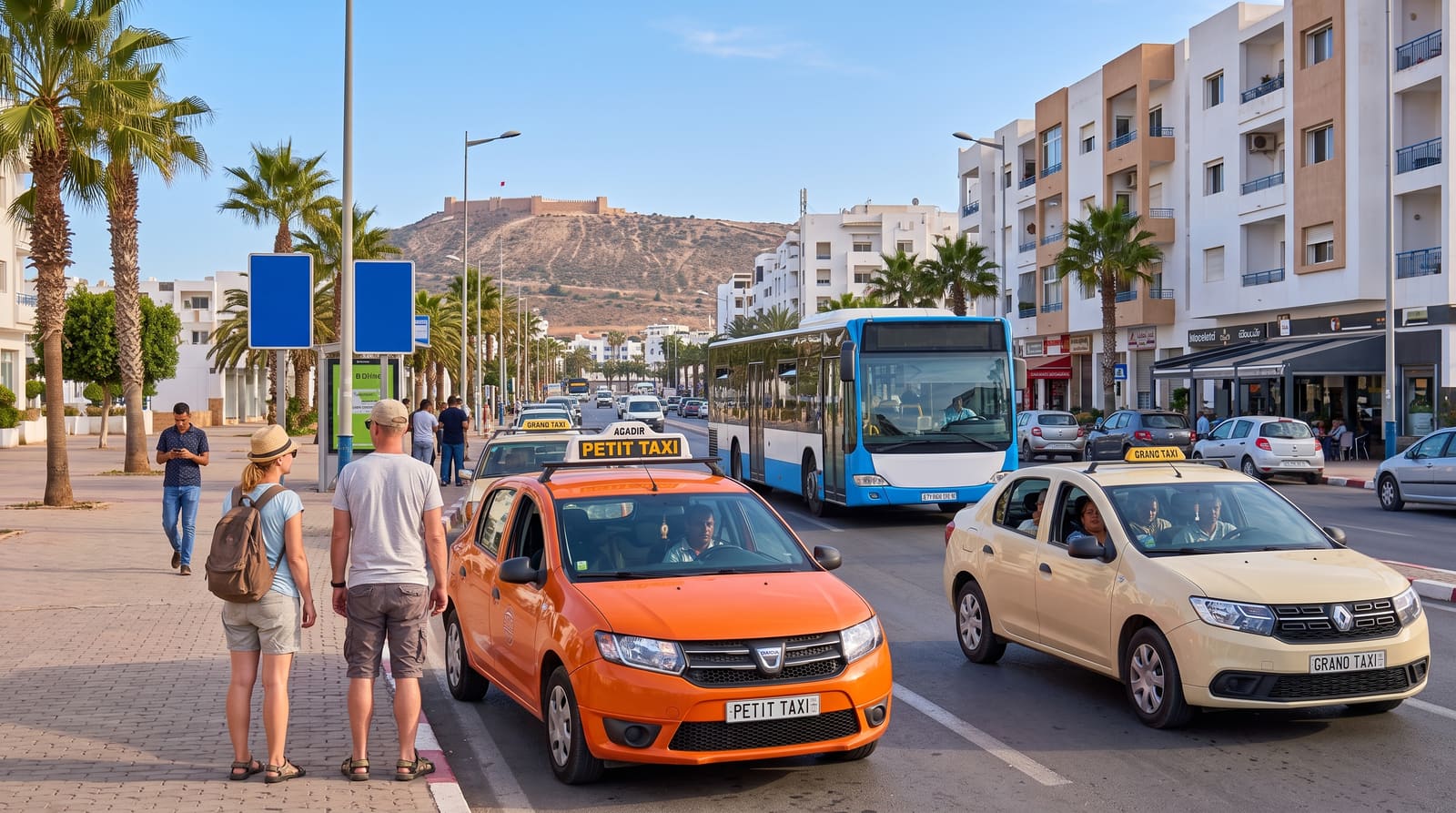
For a trip centered on Agadir and Taghazout specifically, no — these are tourist-facing coastal resort areas where English genuinely covers what you need, from restaurants and hotels to tours and shops. This isn’t the case everywhere in Morocco; venture into rural Atlas villages or smaller towns off the tourist track, and French or a few words of Darija start to matter more. But for the core Teefun-covered region, the language barrier is far smaller than first-time visitors often expect.
Darija Phrases Worth Learning for Tourists
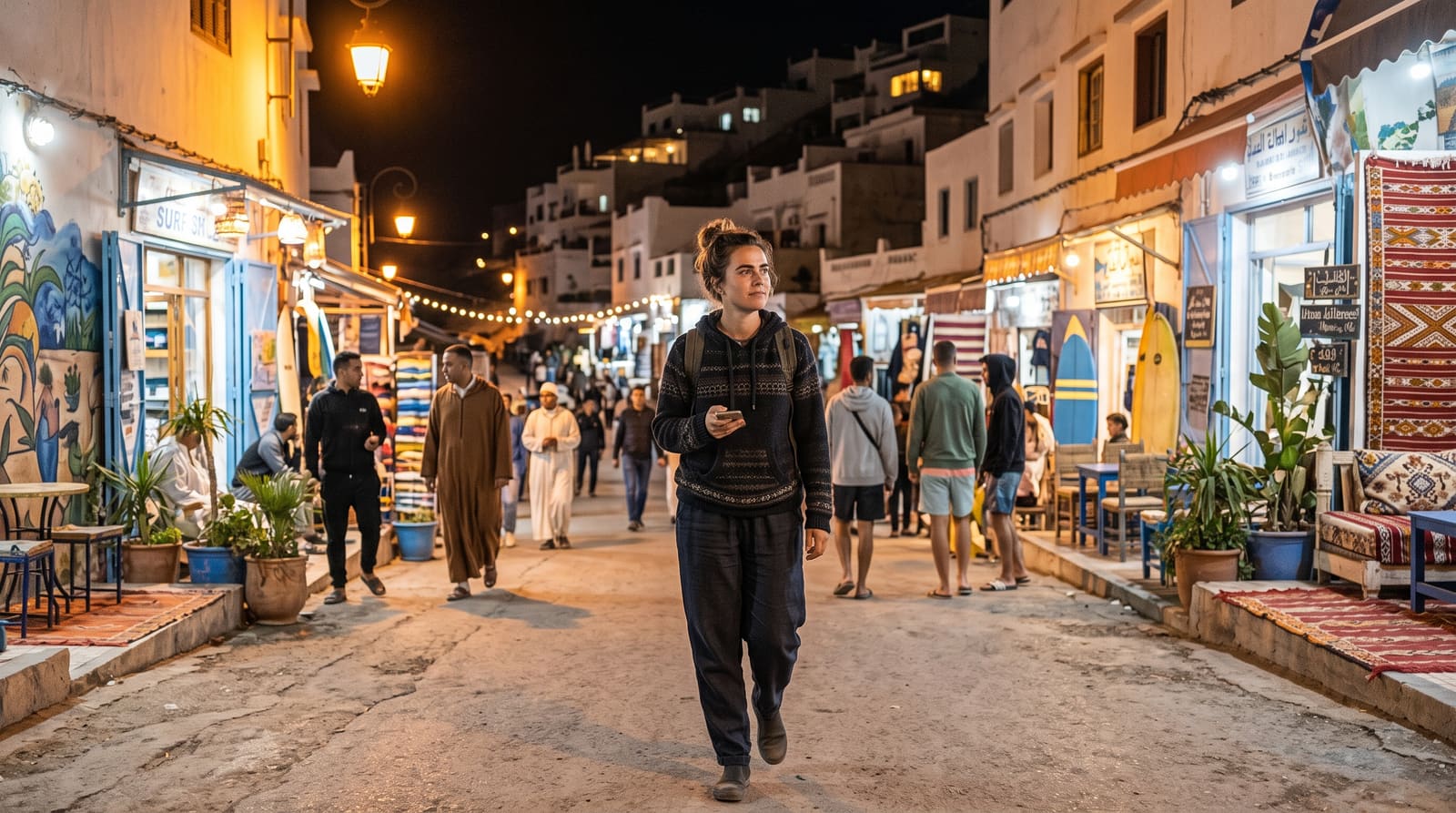
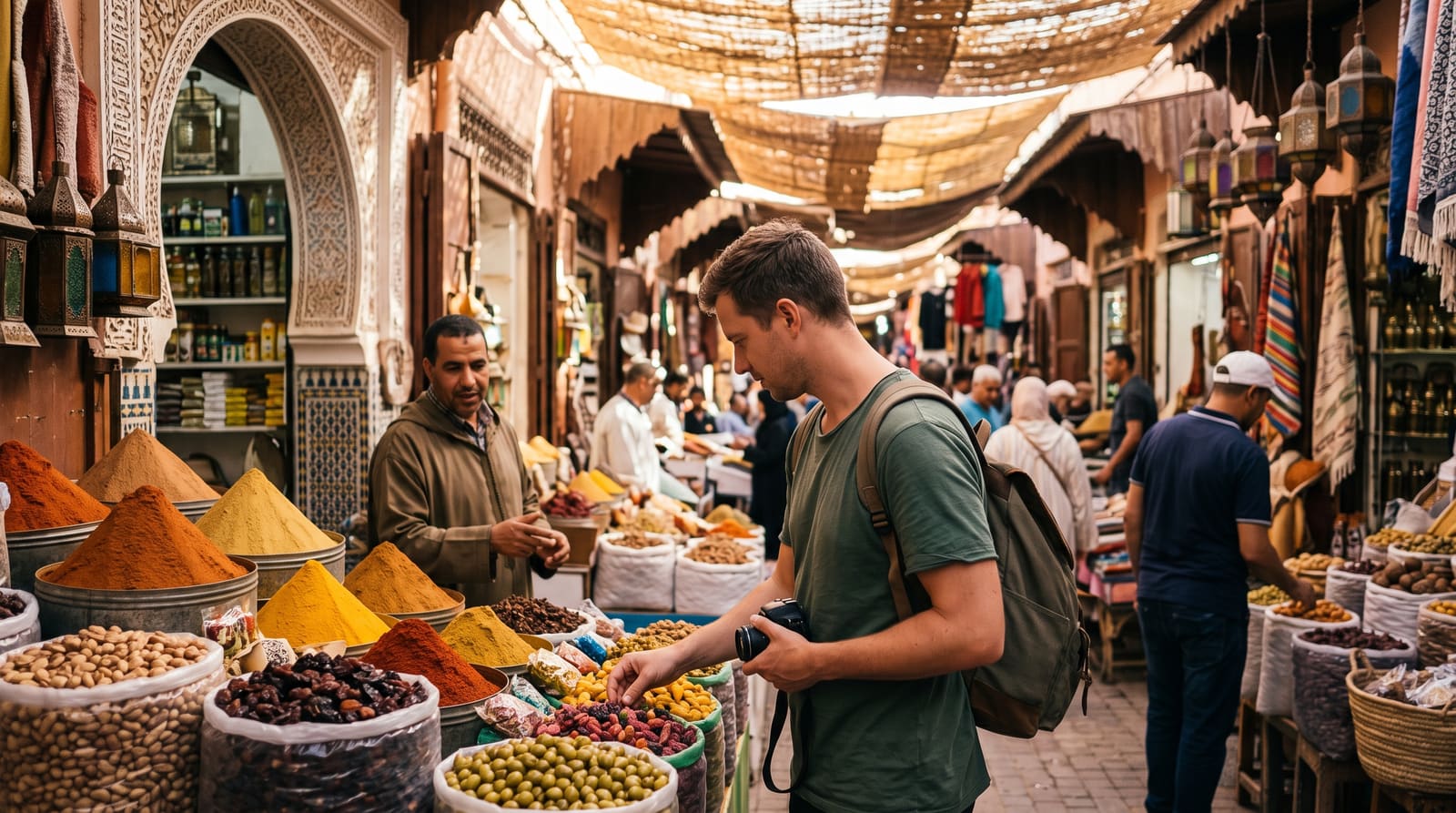
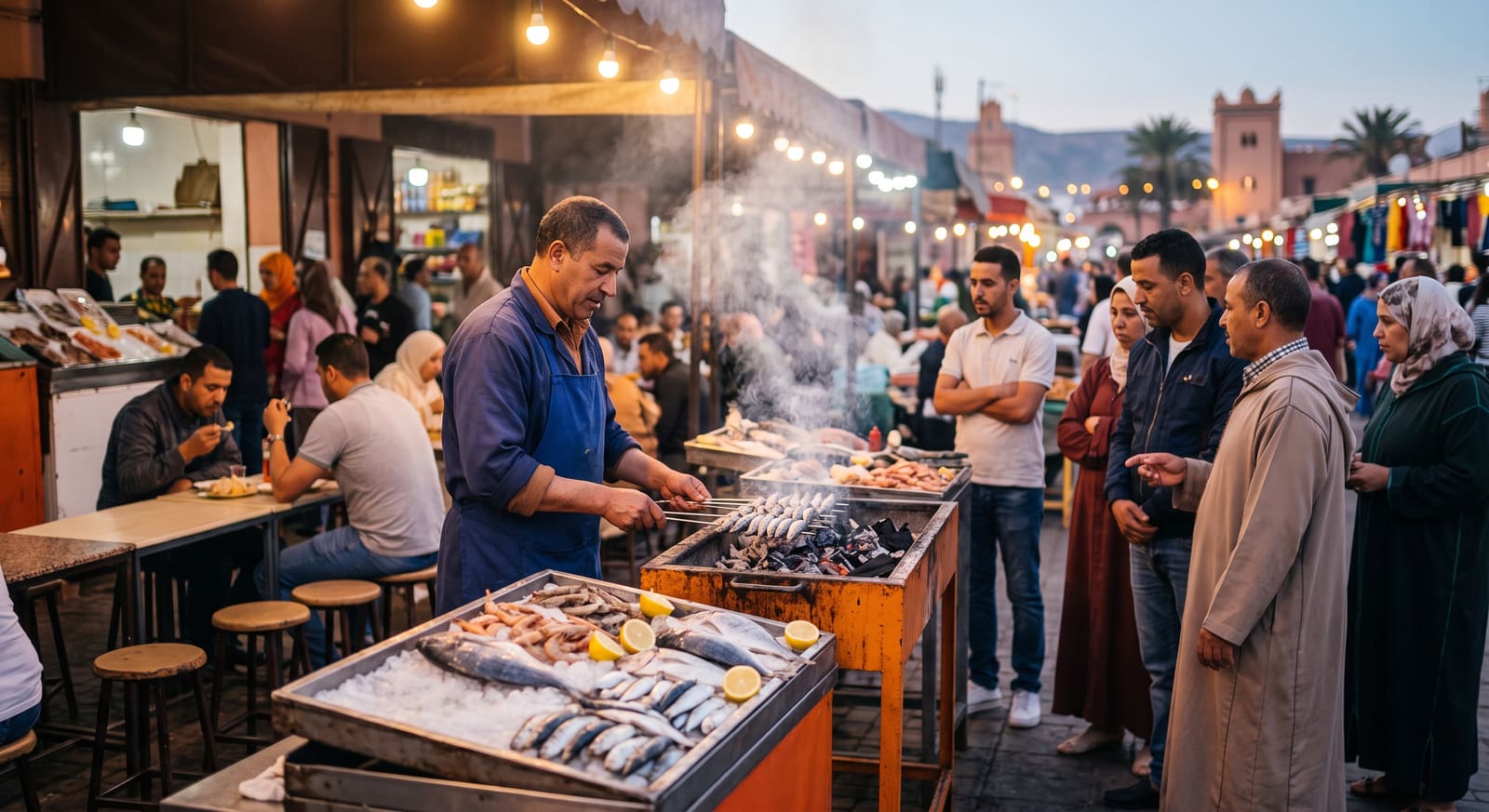
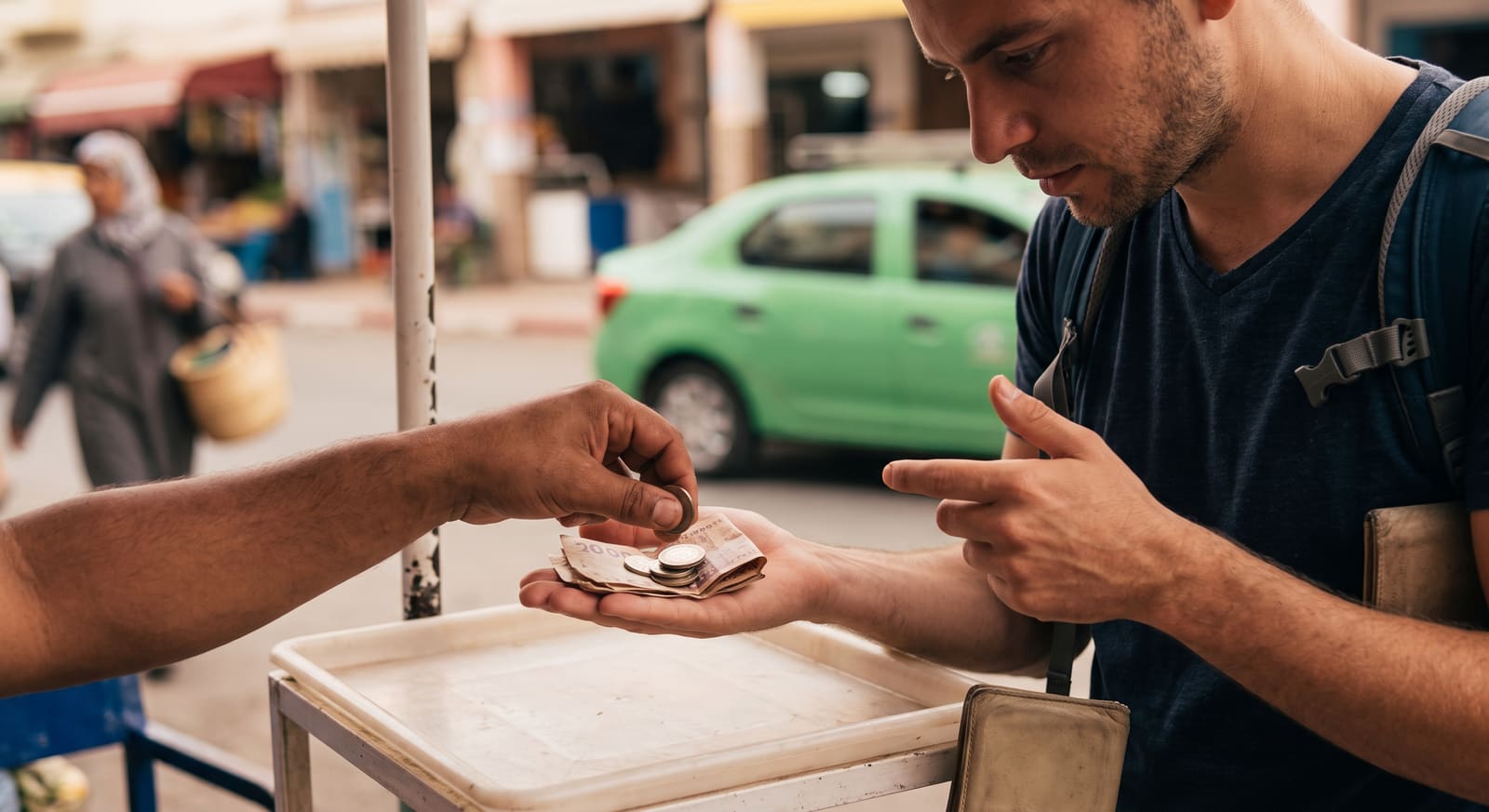
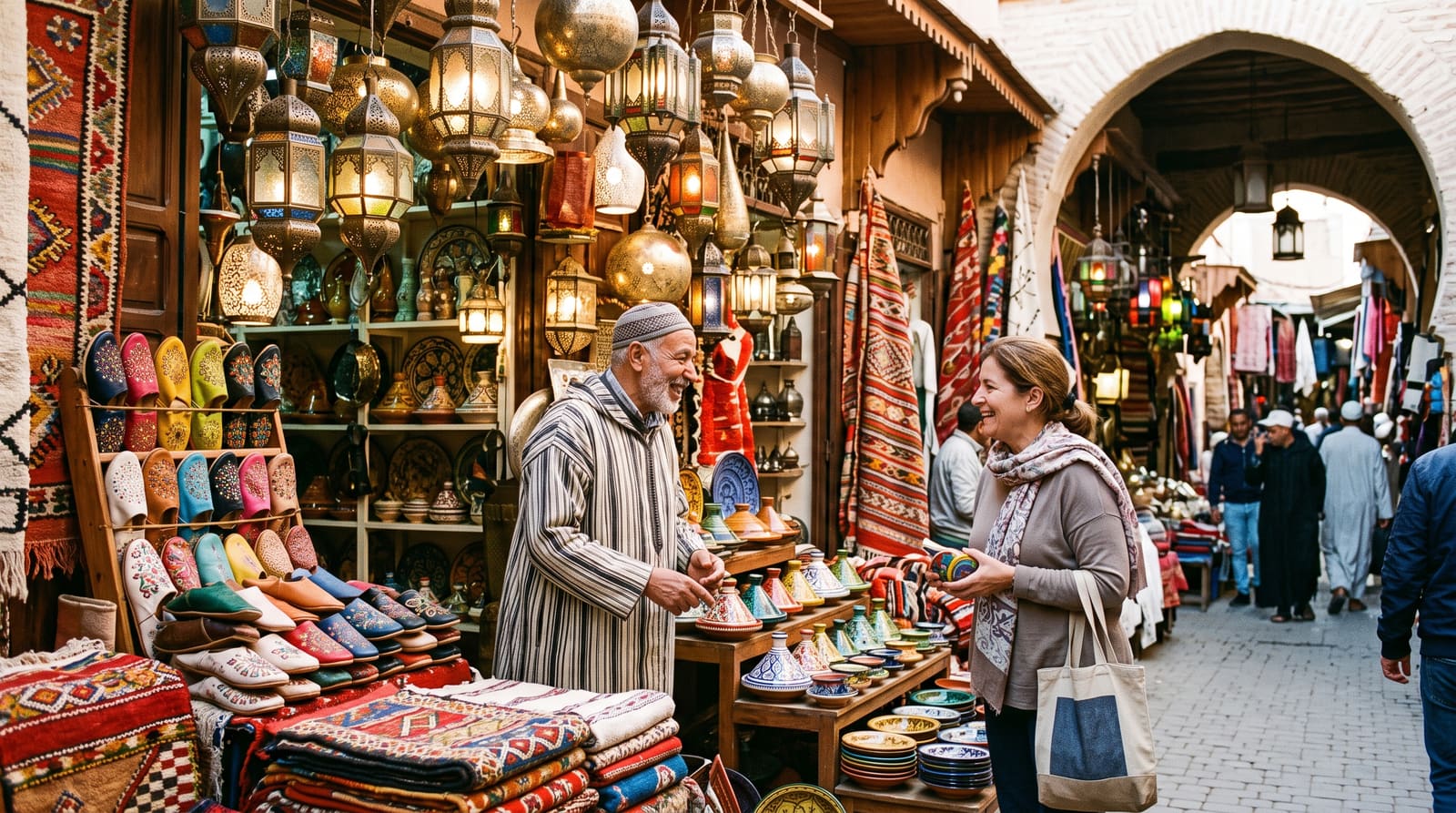
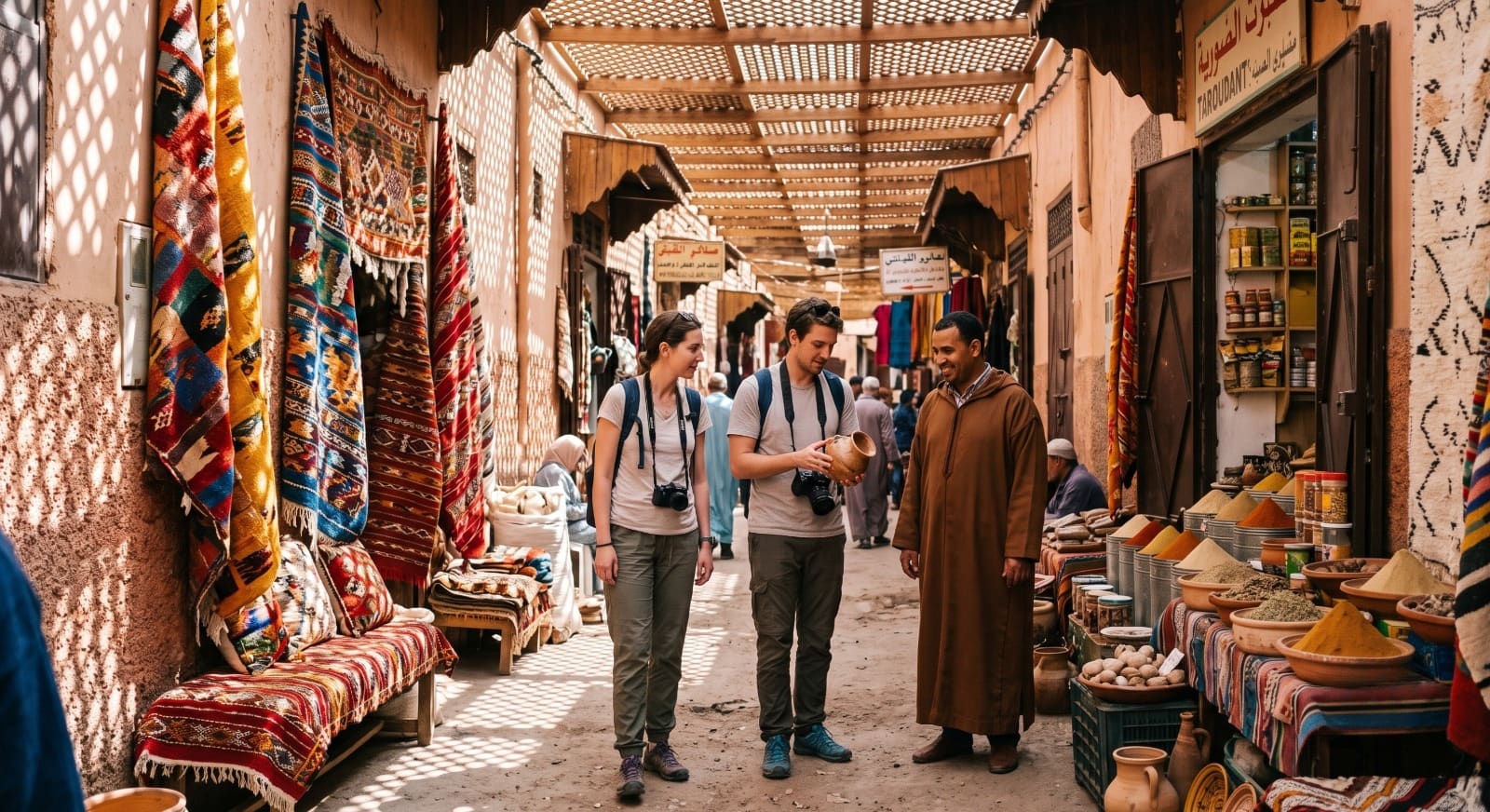
None of this is required, but a small set of Darija phrases goes a genuinely long way, both practically and as a simple sign of respect: “Salam” or “Salam alaikum” (hello), “Shukran” (thank you), “Shukran bzaf” (thank you very much), “Bshhal?” (how much?), and “Labas?” (how are you / all good?, often used as a casual greeting) cover a surprising amount of everyday interaction. Attempting even one or two of these, imperfectly, tends to be met with warmth rather than correction — Moroccans are used to and genuinely appreciate the effort, however small. Learning to haggle? Our guide to haggling in Moroccan souks shows where “Bshhal?” gets used.
Tamazight in Morocco: Where It Fits In
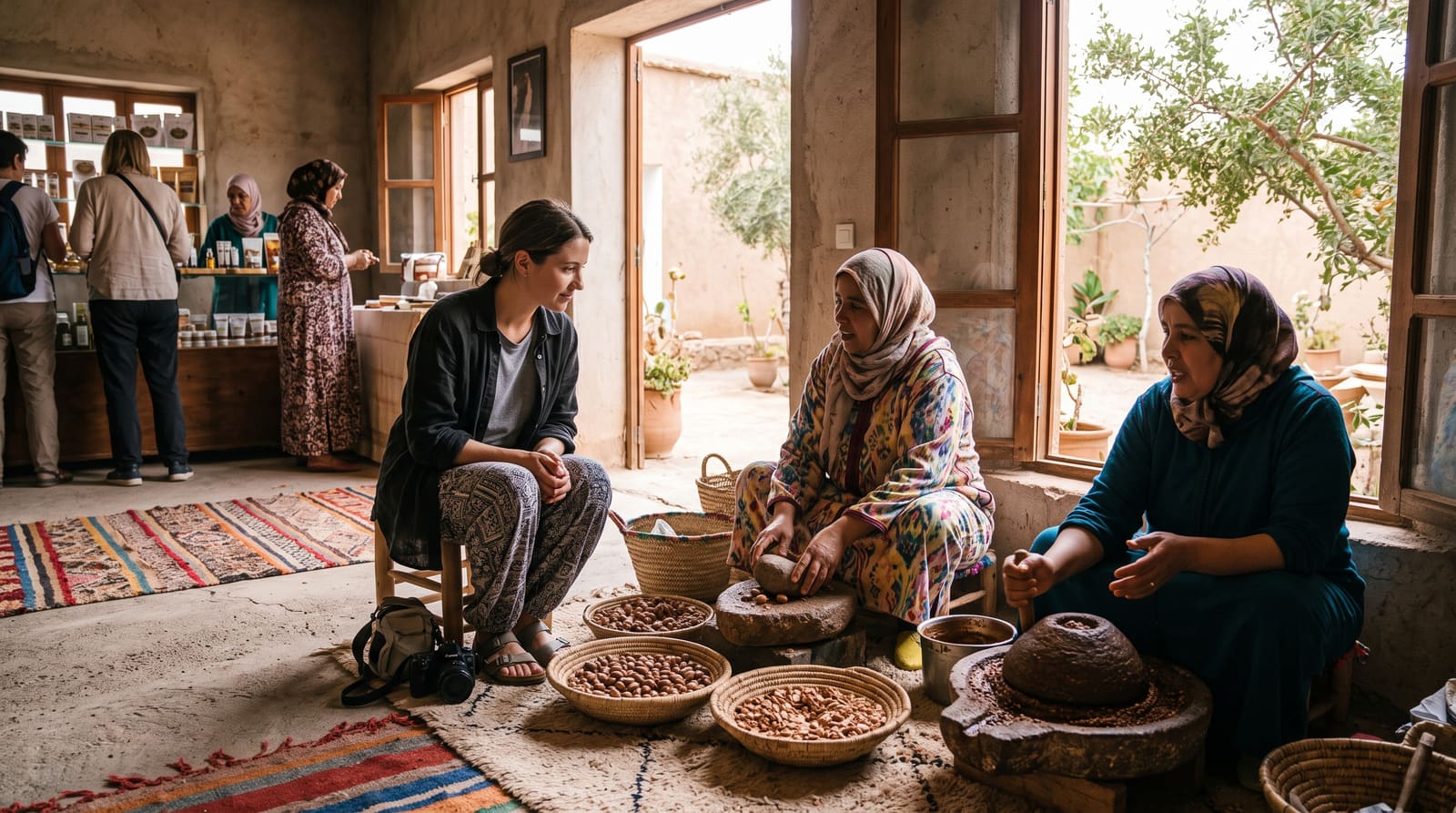
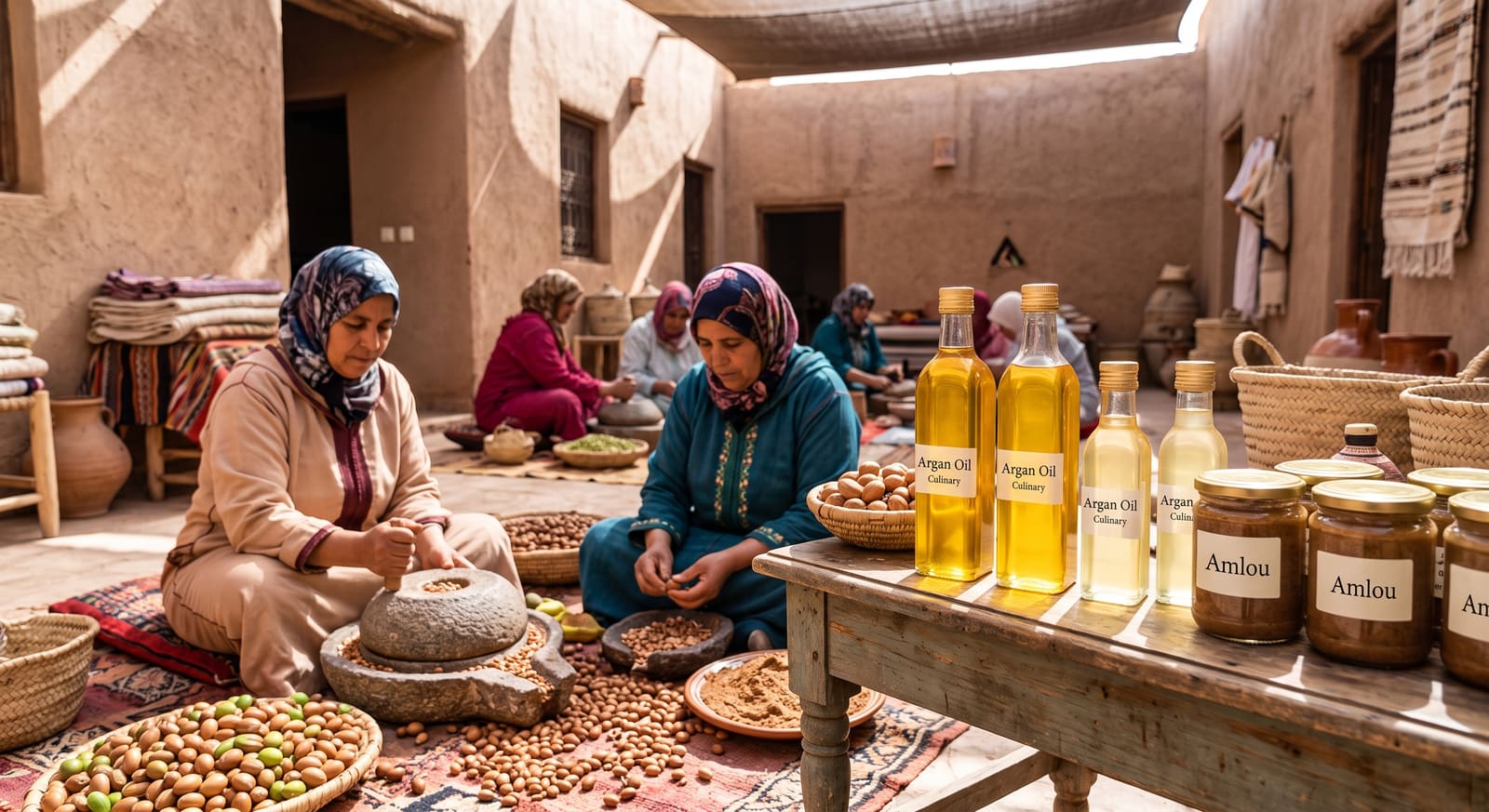
Tamazight, Morocco’s indigenous Amazigh language, is used by about one in four Moroccans (24.8% in the 2024 census, rising to 33.3% in rural areas), particularly across the Atlas Mountains, and carries real cultural weight, covered in more depth in our guide to Amazigh culture in the Souss-Massa region. In the Souss-Massa region around Agadir the local variety is Tachelhit, used by about six in ten residents according to the 2024 census, so you may well hear it in shops and markets even when staff switch to Darija or English with you.
Get by with confidence, not a phrasebook you’ll never open. Teefun’s app gives you the handful of local phrases that actually matter for an Agadir trip, not an overwhelming language course. Download Teefun free.
Conclusion
Morocco’s language landscape looks complicated from the outside but simplifies quickly once you’re actually in Agadir: English handles nearly everything you’ll need as a tourist here, French matters mainly for official or medical situations, and a small handful of Darija phrases adds genuine warmth without requiring any real study. Bring “Shukran” and “Bshhal?” and you’re further along than most first-time visitors expect to be.